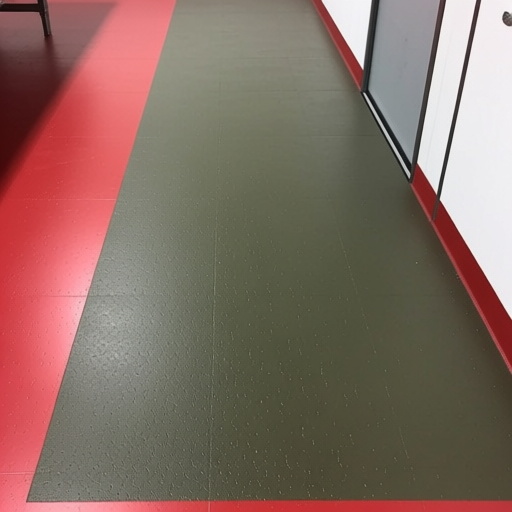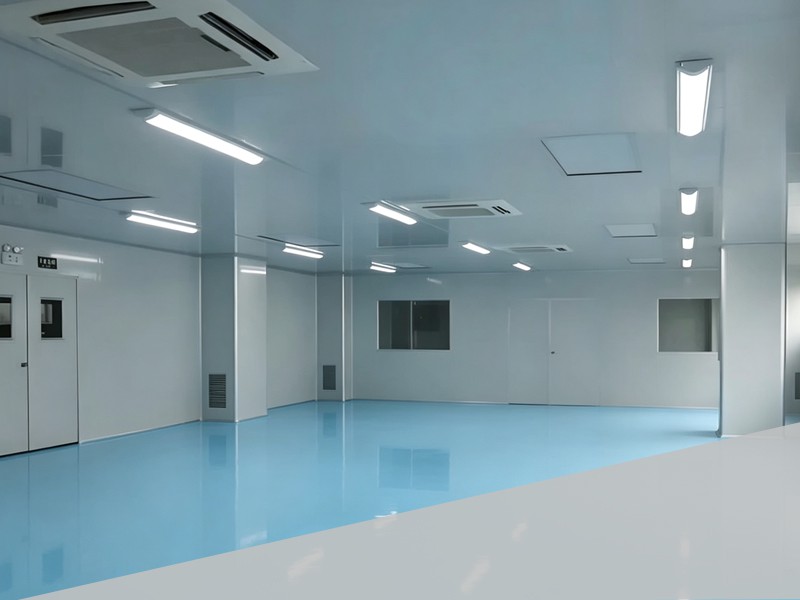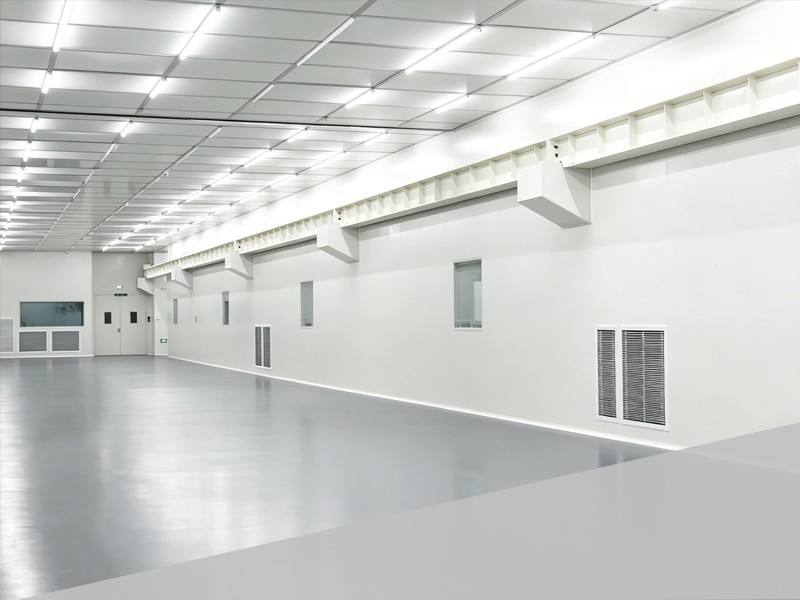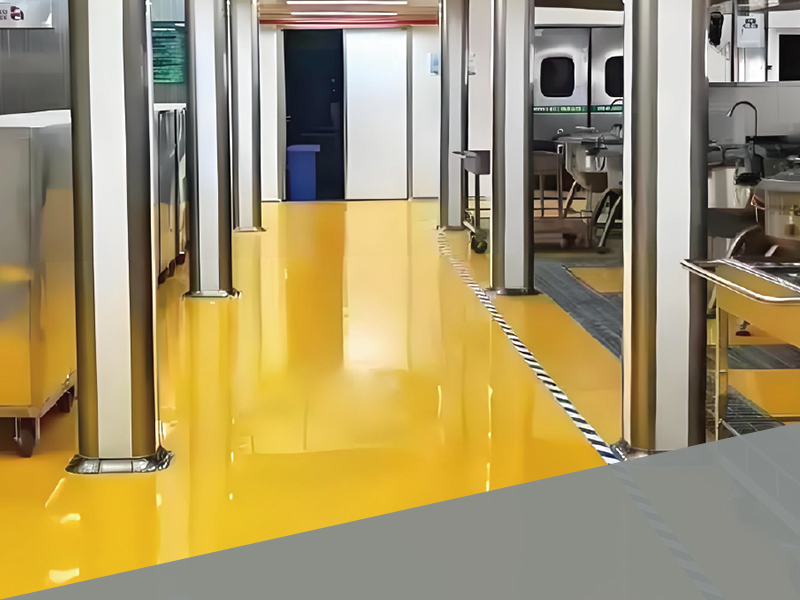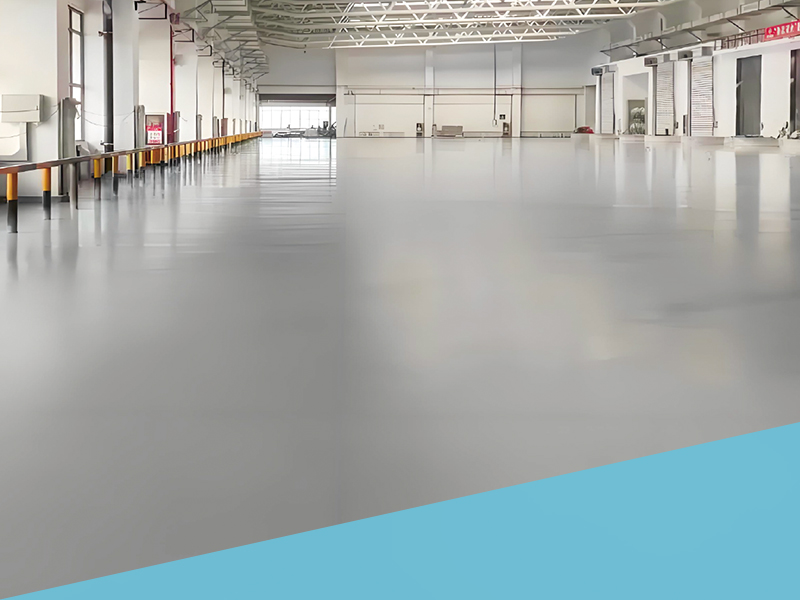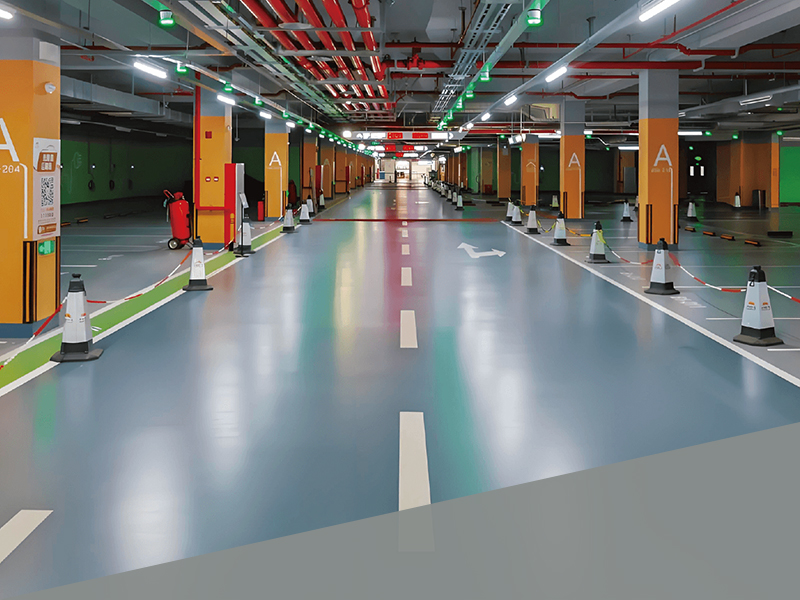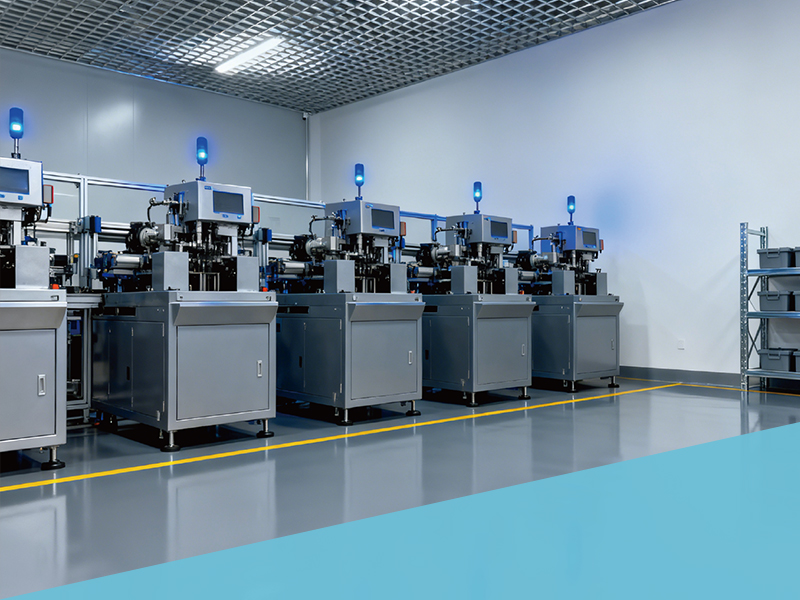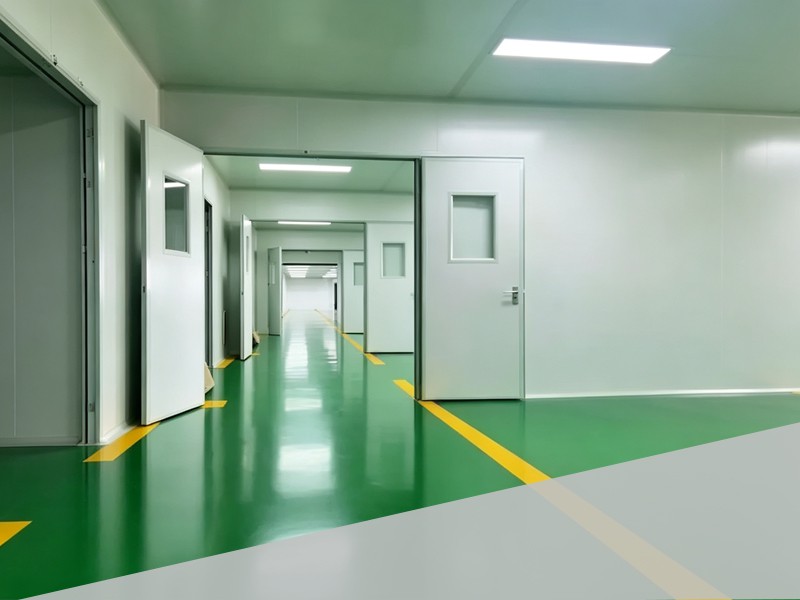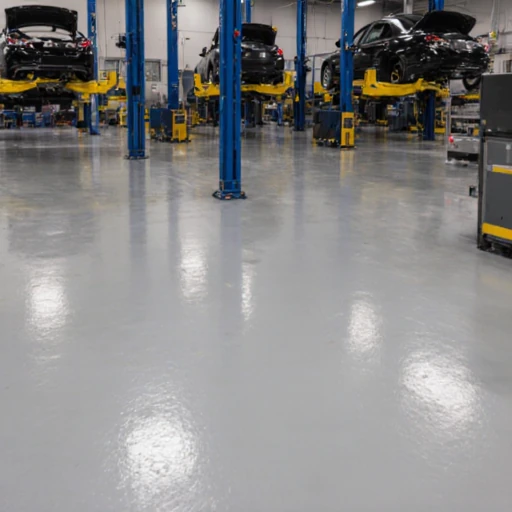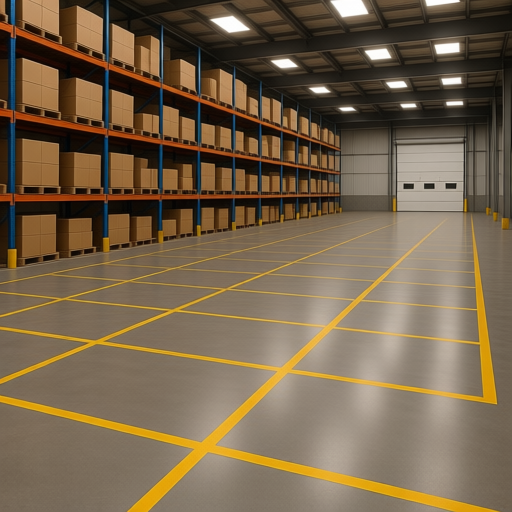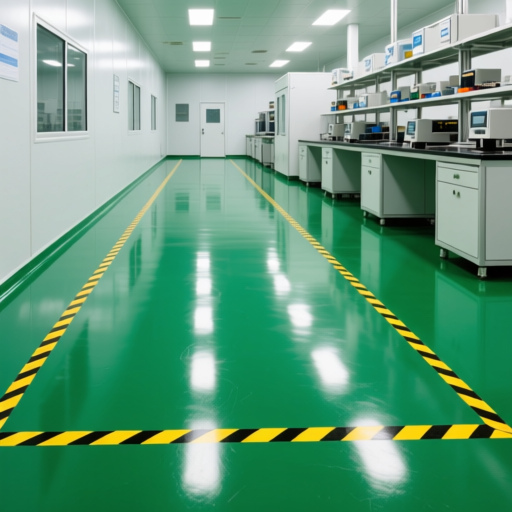

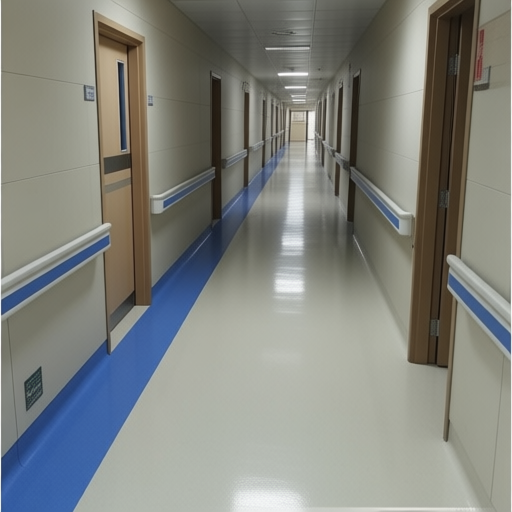
Hospital corridors experience high foot traffic and require flooring that combines antibacterial properties, slip resistance, and cushioning. Simon SPU F200 offers an antibacterial rate of ≥99%. Its flexible elasticity helps reduce fall-related injuries, while sound absorption improves the comfort of the medical environment. It is easy to clean with no hygiene dead ends.
Applicable Scenarios:
Floor protective layer (cement / epoxy / polyurethane), protection for wooden / metal / plastic substrates (transparent and wear-resistant)
Coating Thickness: Single-layer thin coating (total thickness ≤ 0.5mm)
Core Features:
High scratch resistance, transparent without yellowing, resistant to acid and alkali organic solvents, scrub resistance ≥10,000 times
Key Technical Parameters:
VOC≤50g/L, adhesion≤level 1 (cross-cut method), no abnormalities after 48 hours of water resistance, no changes after 24 hours of 10% acid and alkali resistance
Applicable Scenarios:
Suitable for high-grade workshops such as infant formula, health food, aseptic filling, and prepared food; intensive disinfection zones (hydrogen peroxide/peracetic acid); food plant visitor corridors and brand display areas; 10-year maintenance-free high-end cleanroom facilities
Coating Thickness: Single thin coat 0.03-0.05 mm
Core Features:
Polyurethane anti-mold and antibacterial coating (1 primer plus 2 topcoats plus sealant), Level 0 mold resistance, antibacterial rate greater than or equal to 99 percent, scrub resistance greater than or equal to 10,000 cycles, resistant to hydrogen peroxide/peracetic acid, yellowing resistance Delt
Key Technical Parameters:
Level 0 mold resistance, antibacterial rate greater than or equal to 99 percent, scrub resistance greater than or equal to 10,000 cycles, adhesion less than or equal to Grade 1, disinfectant resistance 72h, yellowing resistance Delta-E less than or equal to 2 (1000h), VOC/heavy metals comply with national standards
Applicable Scenarios:
Suitable for high-temperature and explosion-risk areas in food plants under strict fire control (including workshops, corridors, pump rooms, and storage), also suitable for crowded places such as shopping malls, hospitals, and schools
Coating Thickness: Single thin coat 0.06-0.08 mm
Core Features:
A1 Grade non-combustible plus Level 0 mold resistance, dual highest ratings; inorganic water-based system (1 primer plus 2 topcoats plus sealant), scrub resistance greater than or equal to 3,000 cycles, low VOC, anti-chalking, humidity regulating, suitable for strict fire control and high-temperatur
Key Technical Parameters:
A1 Grade non-combustible, Level 0 mold resistance, scrub resistance greater than or equal to 3,000 cycles, alkali resistance 24h, VOC/formaldehyde/heavy metals comply with GB 18582-2020 limits
Applicable Scenarios:
Suitable for production workshops of bakery, dairy, beverage, candy, etc.; auxiliary areas such as raw material staging, packaging material disinfection, finished product turnover, laboratories and clean corridors; as well as outer packaging workshops, finished product warehouses, and office clean z
Coating Thickness: Single thin coat 0.035-0.08 mm
Core Features:
Positioned as a cost-effective high-volume product, composed of water-based epoxy primer (1 coat), anti-mold topcoat (2 coats), and food-grade sealant; water-based low VOC, meeting routine cleanliness and hygiene requirements
Key Technical Parameters:
Level 0 mold resistance, scrub resistance greater than or equal to 10,000 cycles, adhesion less than or equal to Grade 1, alkali resistance 24h, VOC/formaldehyde/heavy metals comply with GB 18582-2020 limits
Applicable Scenarios:
Suitable for high-humidity, high-mold workshops in brewing, seasoning, meat products, aquatic products, and pickled vegetables; cleaning and disinfection zones and wall skirts; cold storage buffer rooms, cold chain processing, constant temperature/humidity fermentation rooms; anti-mold renovation of
Coating Thickness: Single thin coat 0.06-0.08 mm
Core Features:
Benchmark waterborne anti-mold coating, 1 primer + 2 topcoats with food-grade sealant, Level 0 mold resistance, resistant to disinfectant and acid corrosion, scrub resistance greater than or equal to 30,000 cycles, low VOC, low-temperature applicable, mainstream choice for SC certification anti-mold
Key Technical Parameters:
Level 0 mold resistance (GB/T 1741), adhesion less than or equal to Grade 1 (GB/T 9286), alkali resistance 48h (GB/T 9274), water resistance 168h (GB/T 1733)
Applicable Scenarios:
Specifically designed for renovation projects, suitable for priming pretreatment on dense and smooth substrates such as ceramic tiles, old painted surfaces, metal, wood veneers, rigid PVC, and glass. Widely used in wall and floor renovation of old workshops.
Coating Thickness: Single thin coat 0.02-0.03mm
Core Features:
Features dual adhesion technology of silane bonding and penetration anchoring, universal substrate compatibility and strong system compatibility. Effectively seals substrate pores, prevents alkali efflorescence and color bleeding, water-based with low VOC, stable film.
Key Technical Parameters:
Adhesion on sanded tiles reaches Class 0; adhesion on old painted surfaces ≤ Class 1; fast drying at 25°C; VOC content ≤ 80 g/L; controllable application rate; suitable for roller, brush, and airless spray application — tailored for standardized renovation construction.
Applied Products: General Purpose Polyurethane Mortar Self-Leveling CPU M100
Project Scale: 2000㎡
Client Industries: Catering Industry
Applied Products: Simon CPU M400 Heavy-Duty Anti-Slip Polyurethane Mortar Self-Leveling
Project Scale: 3000㎡
Client Industries: Aquatic Products Processing
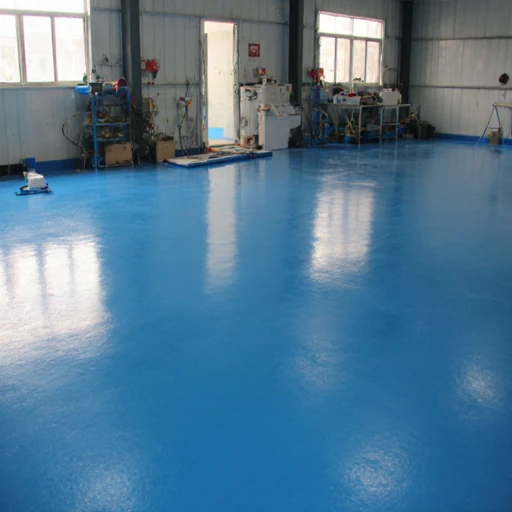
Applied Products: Simon SPU F200 Hygienic Solvent-Free Polyurethane Self-Leveling
Project Scale: 2500㎡
Client Industries: Pharmaceutical Production
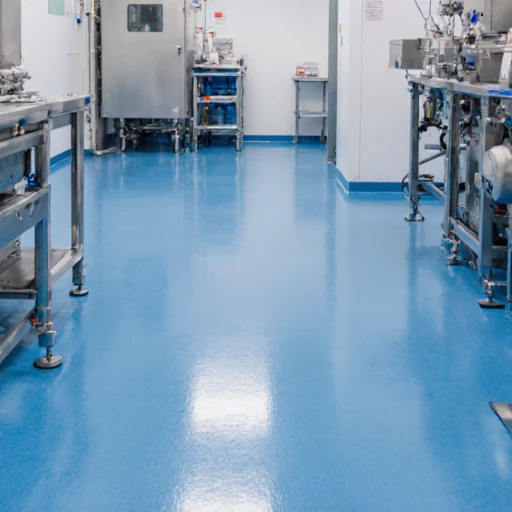
Applied Products: Simon CPU M100 General Purpose Polyurethane Mortar Self-Leveling
Project Scale: 4000㎡
Client Industries: Condiment Production
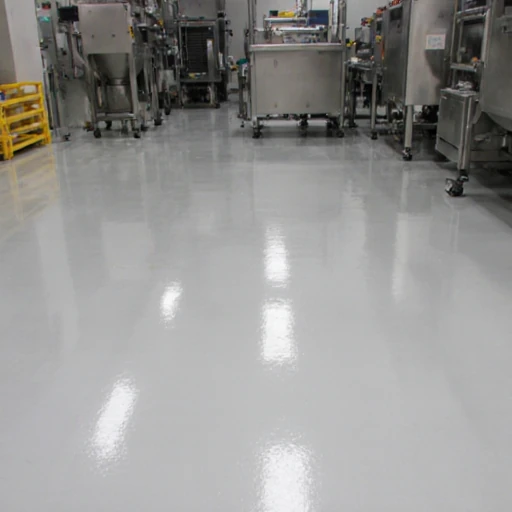
Applied Products: Simon CPU M400 Heavy-Duty Anti-Slip Polyurethane Mortar Self-Leveling
Project Scale: 1800㎡+
Client Industries: Meat Slaughtering, Food Production