
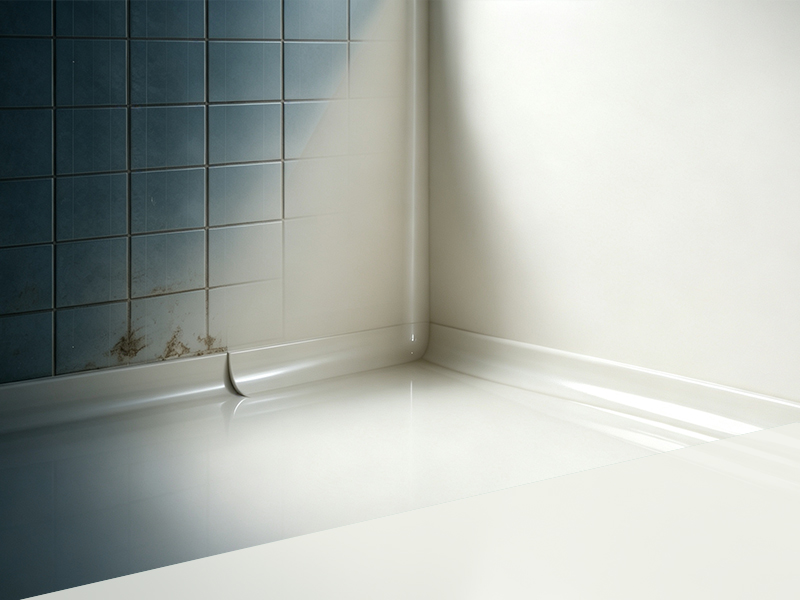
Applicable Scenarios:
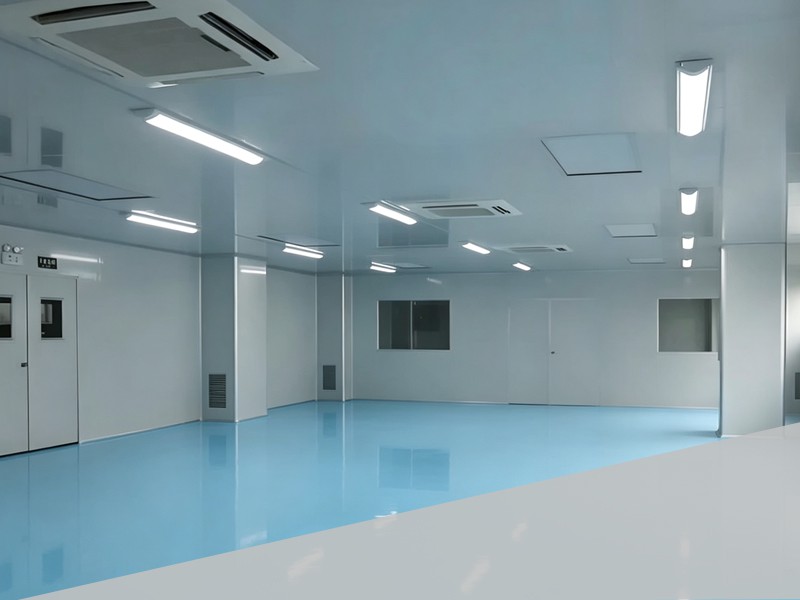
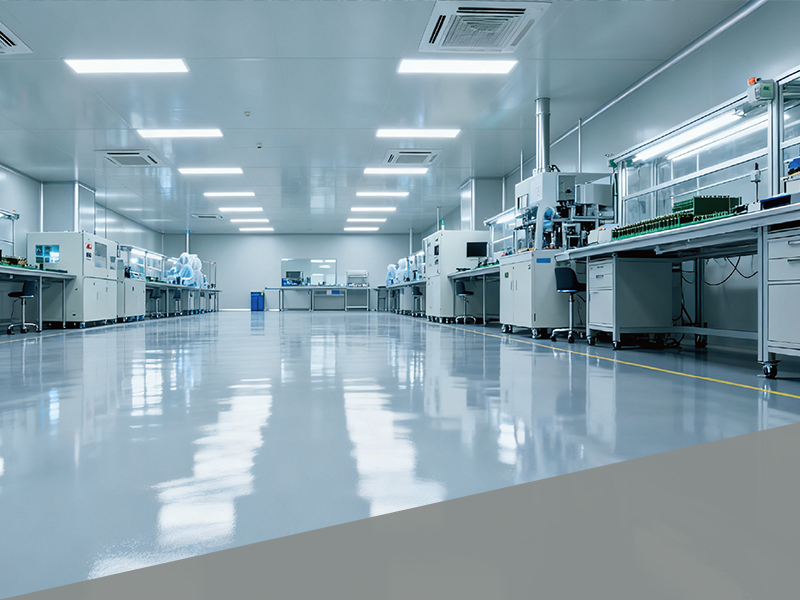
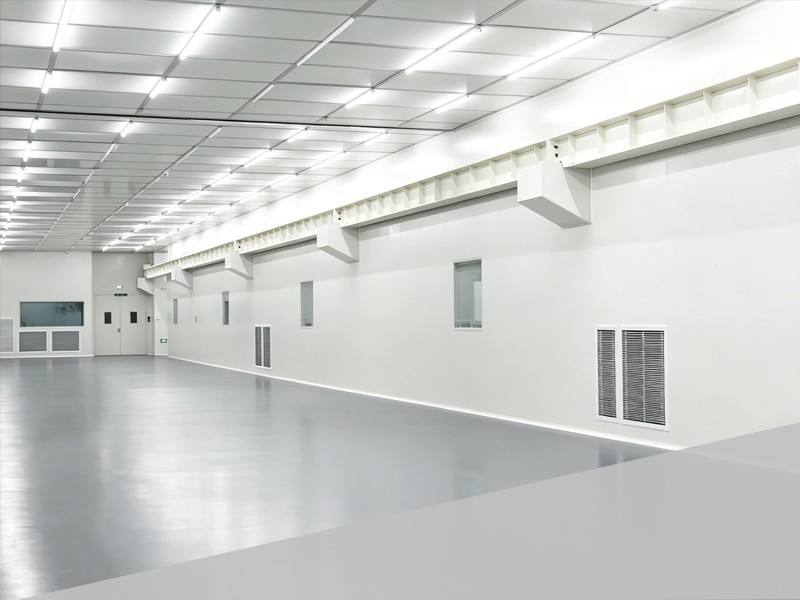
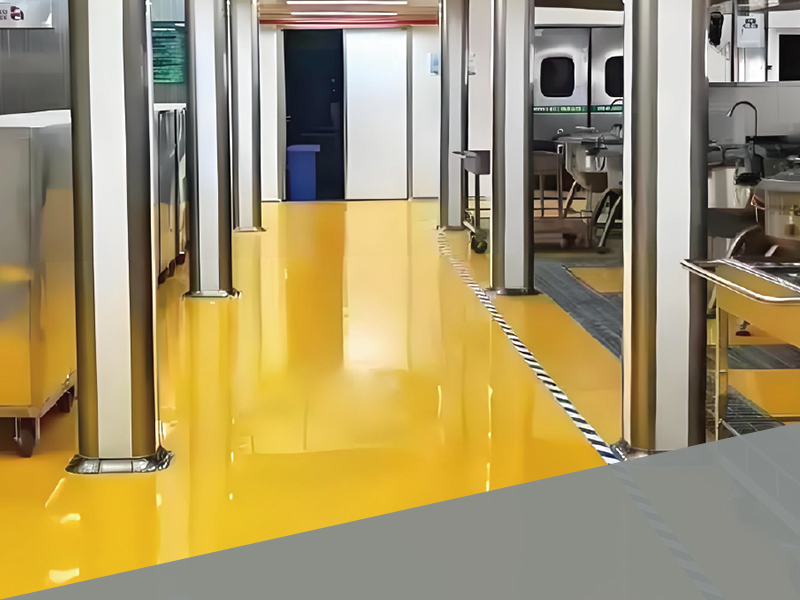
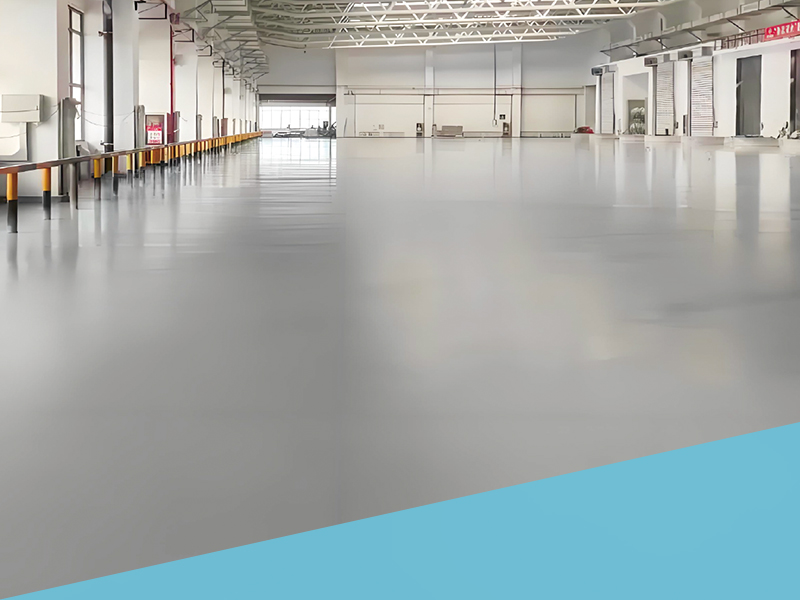
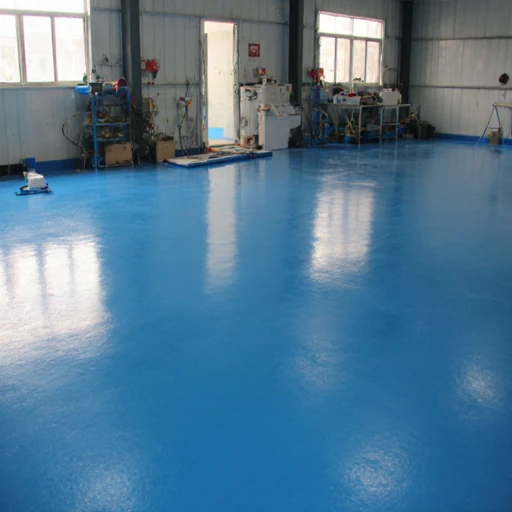
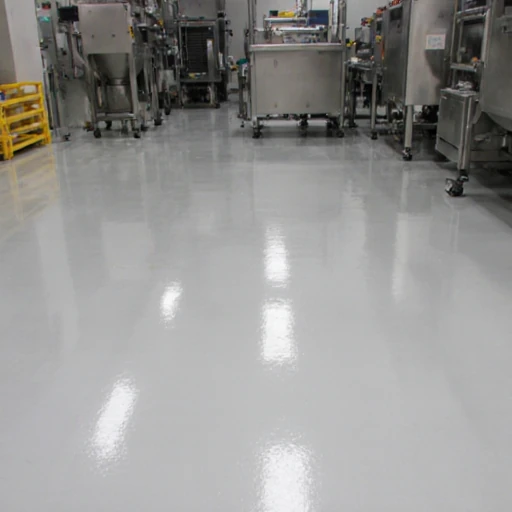
Specifically designed for renovation projects, suitable for priming pretreatment on dense and smooth substrates such as ceramic tiles, old painted surfaces, metal, wood veneers, rigid PVC, and glass. Widely used in wall and floor renovation of old workshops.
Coating Thickness: Single thin coat 0.02-0.03mm
Core Features:
Features dual adhesion technology of silane bonding and penetration anchoring, universal substrate compatibility and strong system compatibility. Effectively seals substrate pores, prevents alkali efflorescence and color bleeding, water-based with low VOC, stable film.
Key Technical Parameters:
Adhesion on sanded tiles reaches Class 0; adhesion on old painted surfaces ≤ Class 1; fast drying at 25°C; VOC content ≤ 80 g/L; controllable application rate; suitable for roller, brush, and airless spray application — tailored for standardized renovation construction.
This product is a dedicated renovation primer in the Simon anti-mold and antibacterial coating system, specifically developed for dense, low-surface-energy substrates such as glazed tiles, old painted surfaces, wood veneers, and metals. Through the dual mechanism of silane coupling agent chemical bonding and penetration mechanical anchoring, it significantly enhances topcoat adhesion on old substrates while sealing substrate pores and preventing alkali efflorescence and color bleeding.
Application Scope
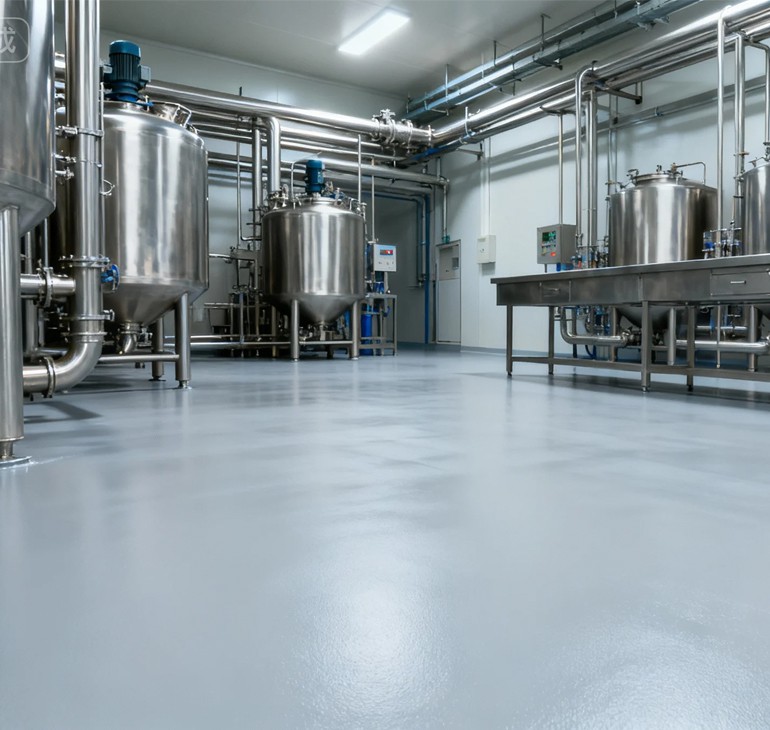
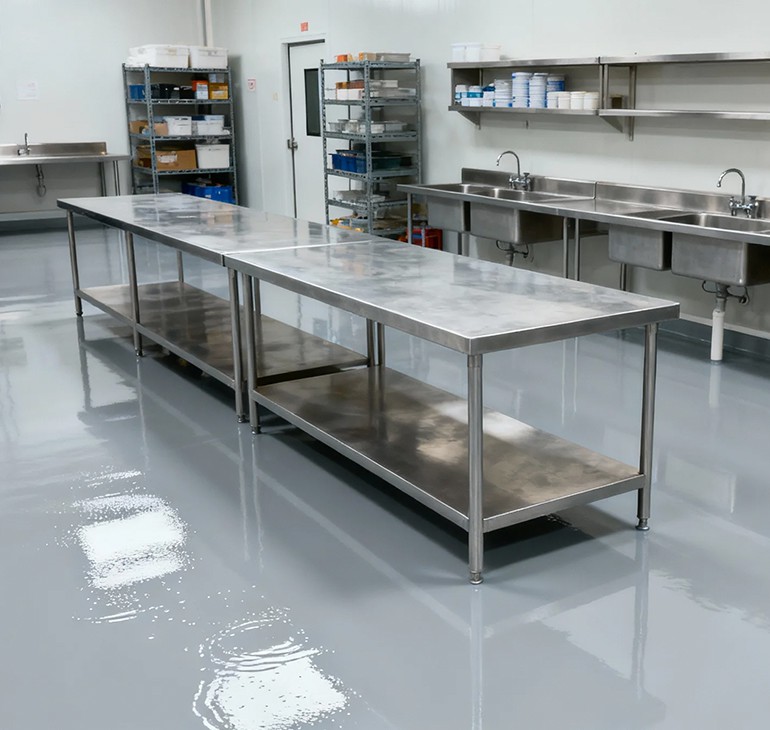
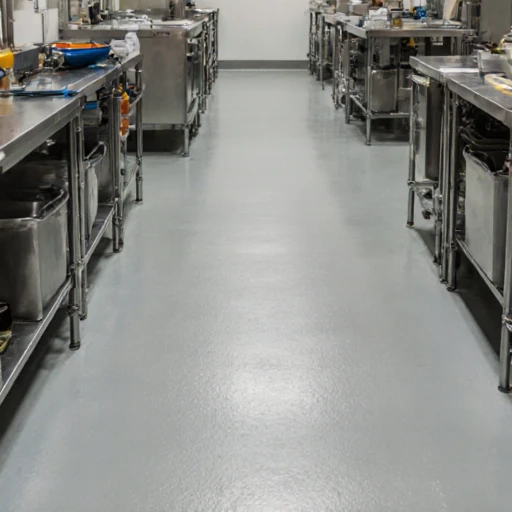
Old workshop wall/floor renovation: Priming pretreatment for ceramic tile walls/floors, color steel panels, old latex/epoxy painted surfaces;
Old facility renovation: Priming pretreatment for steel/stainless steel workbenches, storage cabinets, and wooden furniture;
Special substrates: Adhesion pretreatment for rigid PVC, glass, and other dense, smooth substrates.
Key Features
Universal substrate compatibility: One primer covers multiple hard-to-adhere substrates including tiles, metal, old coatings, and wood, reducing inventory needs;
Dual adhesion mechanism: Epoxy silane coupling agent chemical bonding + low-viscosity penetration mechanical anchoring; adhesion on sanded tile substrates reaches Class 0;
Full system compatibility: Homologous compatibility with the complete Simon water-based epoxy anti-mold and antibacterial topcoat series; excellent interlayer bonding with no risk of delamination;
Sealing and anti-permeation: Penetrates into substrate micropores, blocking pathways for alkali efflorescence and color bleeding;
Environmentally friendly & low odor: Water-based system with low VOC emissions, compliant with indoor industrial coating environmental requirements.
Applicable Standards
GB/T 9286-1998 Paints and Varnishes — Cross-Cut Test;
GB 30981.1-2025 Limit of Harmful Substances in Coatings — Part 1: Architectural Coatings;
GB/T 1728-2020 Paints, Varnishes and Plastics — Determination of Non-Volatile-Matter Content.
Key Technical Specifications
Test Item | Requirement | Test Standard |
Film Appearance | Transparent and uniform, free from shrinkage, pinholes, and sagging | GB/T 1727-1992 |
Adhesion (Sanded Tile Surface) | Class 0 | GB/T 9286-1998 |
Adhesion (Sanded Old Coating) | ≤ Class 1 | GB/T 9286-1998 |
Drying Time (25°C) | Touch-dry ≤ 2h, Hard-dry ≤ 8h | GB/T 1728-2020 |
Sealing Property | No alkali efflorescence, no color bleeding | Internal Test Method |
VOC Content | ≤ 80 g/L | GB 30981.1-2025 |
Supporting System
Supporting topcoat: Simon full range water-based epoxy anti-mold and antibacterial topcoat 9512 series;
Standard coating structure: 1 coat FC-1020 + 2 coats corresponding functional topcoat.
Application Parameters
Mixing ratio: Refer to packaging label;
Application method: Roller, brush, airless spray;
Reference consumption: Wall / old furniture 0.10-0.12 kg/m² per coat; Floor tiles 0.12-0.15 kg/m² per coat;
Recoat interval: 4-8 hours at 25°C; extend appropriately in low-temperature, high-humidity conditions;
Dilution ratio: Up to 10% deionized water may be added to adjust application viscosity.
Precautions
Substrate must be degreased, sanded/roughened, and dust-free and dry before application; hollow or loose substrates must be repaired beforehand; adhesion decreases significantly on un-sanded glossy substrates — not recommended as a standard application approach;
Weigh components accurately according to the ratio, mix thoroughly until uniform; use within pot life after mixing to avoid gelation and waste;
Application environment temperature: 5-35°C; relative humidity ≤ 85%; do not apply in rainy or condensation-prone conditions;
Wear protective gloves and goggles during application; avoid skin and eye contact; in case of accidental contact, rinse immediately with plenty of clean water.







 cn
cn