
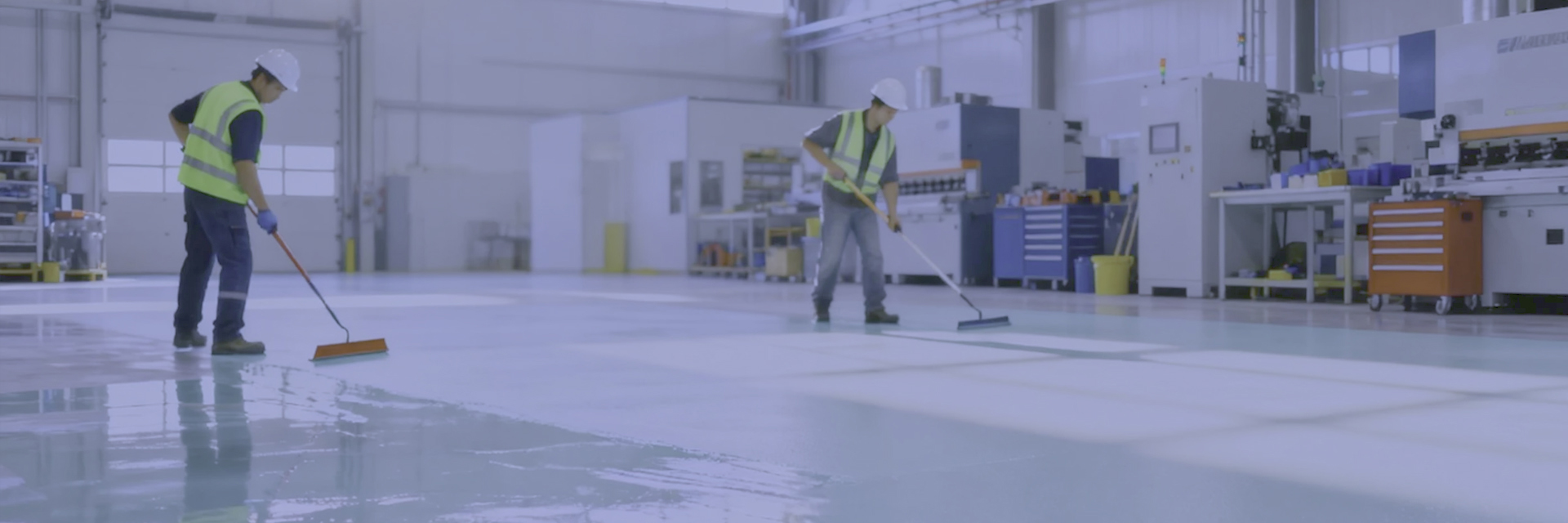
Regular household latex paint does not meet food production SC certification requirements and cannot substitute for food-grade specialized anti-mold coatings. There are four core reasons:
1. Mold Resistance Grade Falls Short
Regular latex paint typically achieves mold resistance grade 2 or below, failing to meet GB 14881-2025 requirements for food workshops. In high-humidity environments, mold readily proliferates, directly contaminating the production environment â a typical non-conformance item in SC inspections.
2. Not Resistant to Disinfectant Corrosion
Food factories require high-frequency disinfection using sodium hypochlorite, 75% ethanol, and peracetic acid. Regular latex paint rapidly fades, chalks, and delaminates upon contact with disinfectants, failing to maintain long-term wall integrity.
3. Insufficient Film Density
The paint film has high porosity, readily absorbs oil stains, accumulates dust, and harbors bacteria. It does not comply with the GB 14881 principle of "easy to clean, impermeable," making it difficult to meet food workshop hygiene control requirements.
4. Weak Scrub Resistance Performance
Regular interior wall paint typically withstands only a few thousand scrub cycles. Given the high daily cleaning frequency in food workshops, the paint film will quickly suffer damage and expose the substrate, rendering it unsuitable for long-term use.
Simon's Water-based 9512 Anti-Mold & Antibacterial Coating, Ceramic Coating, and Polyurethane Wall Protective Coating all comply with GB 14881-2025 standards, offering Grade 0 mold resistance and repeated disinfectant wipe resistance, meeting the wall requirements for food factory workshops of all grades.
Not all areas mandatorily require curved junctions. Requirements vary by cleanliness-grade zone division â this is a high-frequency mandatory inspection point during SC on-site audits:
1. Mandatory Areas
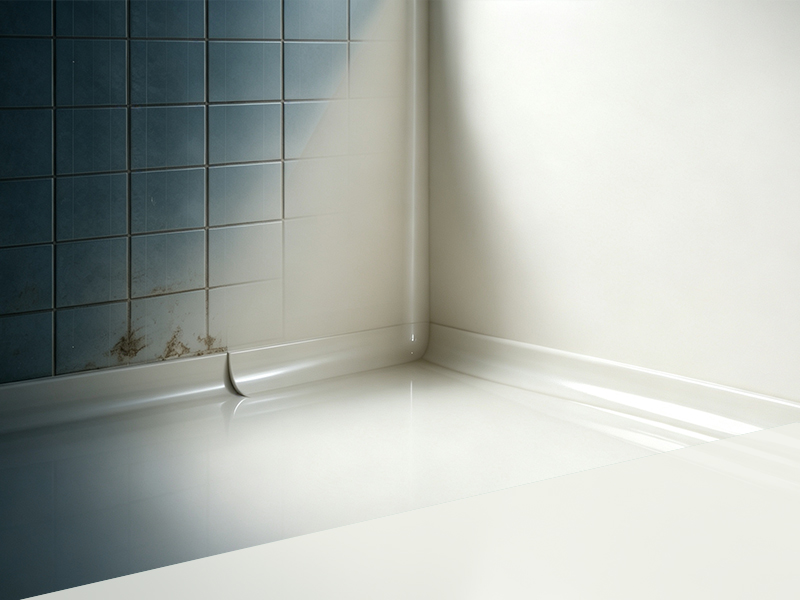
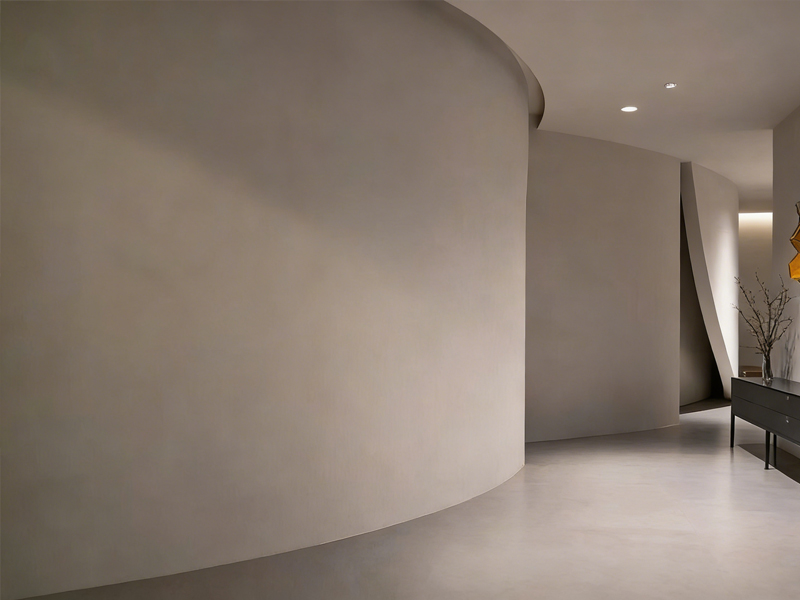
Clean operation areas and quasi-clean operation areas (filling rooms, processing rooms, batching rooms, etc.) must have curved corner transitions.
· Reference: GB 14881-2025 Article 6.2.2.2, GB 50687-2011 Article 5.3.4
· Standard: Curvature radius at internal and external corners and wall-floor junctions ⥠30mm; high-humidity and high-cleanliness workshops recommended ⥠50mm to eliminate dirt-trapping dead corners.
2. Non-Mandatory Areas
General operation areas and ambient-temperature warehouses have no mandatory curved corner requirements. Only rounded corner treatment is recommended for ease of routine cleaning.
3. Rejection Risk Notes
Right-angle wall corners easily accumulate dust and harbor mold, which contradicts food hygiene control logic. Lack of curved corners in clean operation areas is a typical non-conformance item that will directly trigger a rectification order with a deadline.
Simon's full-process cleanroom construction aligns with SC certification standards, and standardized curved corner treatment at internal and external corners ensures a first-pass inspection.
Both are specialized cleanroom wall coatings designed for food factories. The core differences lie in performance grade and applicable scenarios, as compared below:
Comparison Dimension | Water-based 9512 Anti-Mold & Antibacterial Coating | Ceramic Coating - Cleanroom Wall Paint |
Product Positioning | General-purpose cleanroom wall coating | High-level cleanroom wall coating |
Applicable Areas | General operation areas, quasi-clean operation areas | Clean operation areas, high-humidity and high-sanitization workshops |
Mold Resistance Grade | GB/T 1741 Grade 0 | GB/T 1741 Grade 0 |
Antibacterial Performance | Antibacterial rate ⥠99% | Antibacterial rate ⥠99.9% |
Scrub Resistance | ⥠30,000 cycles | ⥠80,000 cycles |
Chemical Resistance | Resistant to routine disinfectant wiping | Resistant to high-concentration disinfectants and organic acid corrosion |
Pencil Hardness | 2H | ⥠3H |
Cost Positioning | Cost-effective choice | Premium performance model |
Selection recommendation: For conventional production areas with budget constraints, choose the 9512 coating; for meat processing, aquatic products, brewing, and other high-humidity, high-frequency sanitization workshops, choose the Ceramic Coating. Simon can customize integrated wall-and-floor solutions based on workshop zone divisions.
Wall mold stains are a high-frequency rejection item during SC renewal and re-certification inspections. Simply covering them with topcoat will lead to rapid recurrence. Root-cause remediation is required, and stable compliance can be achieved through the following four-step rectification process:
1. Complete Removal and Mold Eradication
Remove all mold-affected putty and loose plaster layers down to a solid substrate. Use specialized mold removal agents to disinfect the base layer and eliminate deep mycelia. It is strictly prohibited to paint directly over mold stains.
2. Substrate Sealing and Reinforcement
Apply epoxy penetrating primer to consolidate loose substrates while blocking moisture vapor transmission from the wall, addressing the root cause of dampness and mold recurrence.
3. Functional Topcoat Application
Select food-grade specialized coatings compliant with GB/T 1741 Grade 0 mold resistance standard. Apply two coats of topcoat following standard procedures to ensure a continuous and dense paint film.
4. Detail Sealing Treatment
Reconstruct rounded corner transitions at internal and external corners. Seal pipe and cable wall penetrations tightly with mold-resistant sealant, eliminating all dead corners prone to dirt accumulation and mold growth.
Simon provides compliance renovation services for old factory walls in the Pearl River Delta region, covering the full process from free diagnosis to construction delivery, all aligned with SC standards, and delivers a complete set of acceptance documentation upon project completion.
Floor slip resistance is a mandatory inspection item for SC certification safety production, with clear mandatory standards:
1. Standard Basis
GB 50687-2011 "Technical Code for Clean Rooms in Food Industry" Article 5.3.3.
2. Mandatory Values
Cleaning operation area flooring: Static anti-slip coefficient ⥠0.6;
Quasi-clean operation area and personnel passageways: Static anti-slip coefficient ⥠0.55.
3. Inspection Logic
Food workshop floors are prone to water and oil contamination. Inadequate slip resistance can easily cause personnel slip-and-fall accidents, which is a mandatory safety production requirement. Some category-specific review guidelines include on-site verification.
4. Testing Method
Standard pendulum friction coefficient tester, measuring slip resistance values under both dry and wet conditions separately.
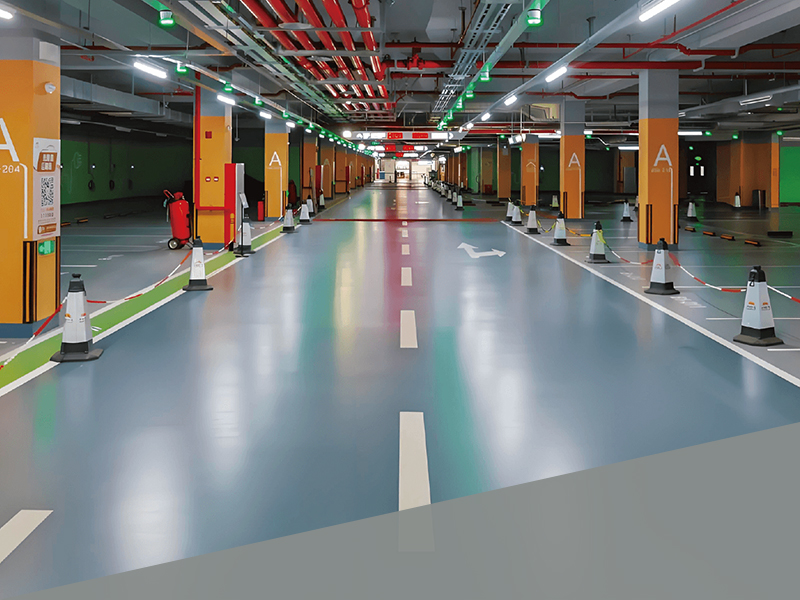
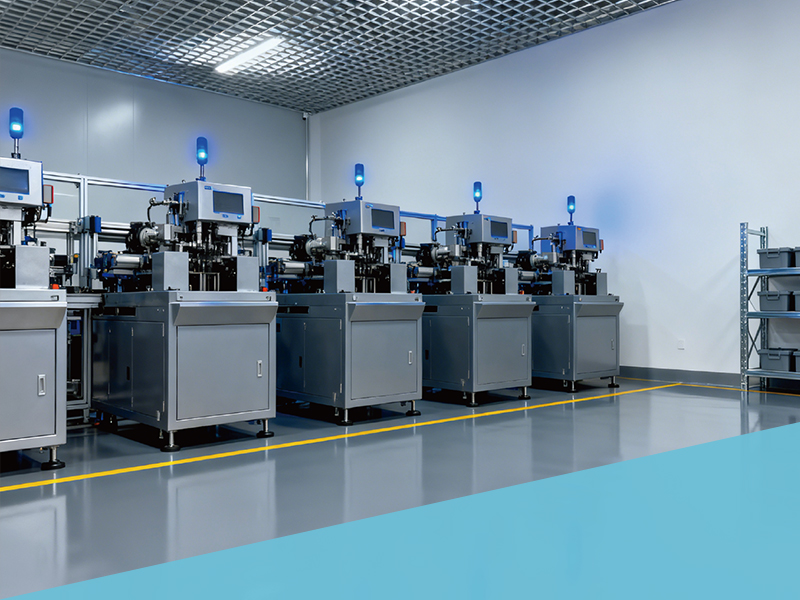
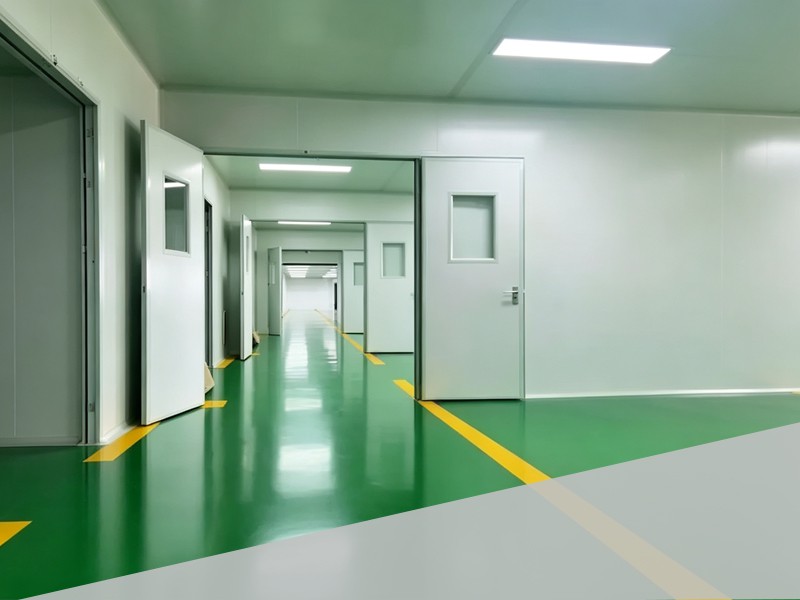
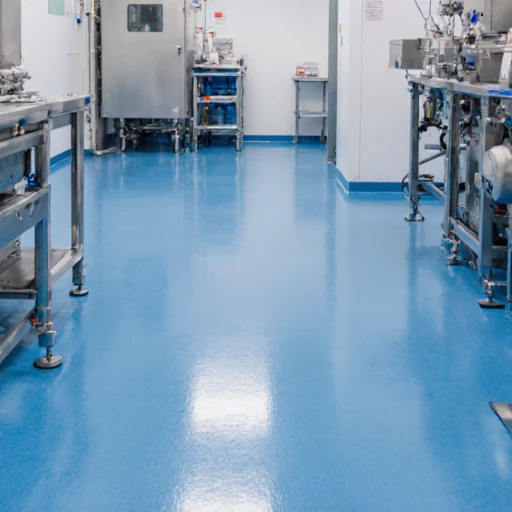
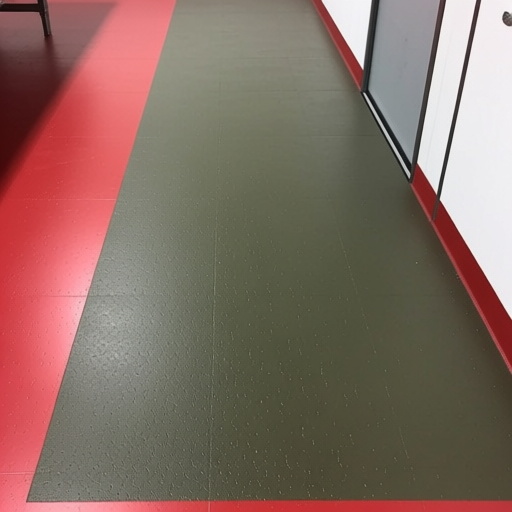
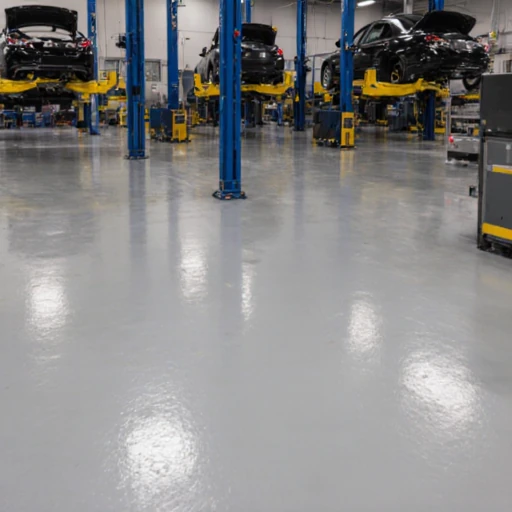
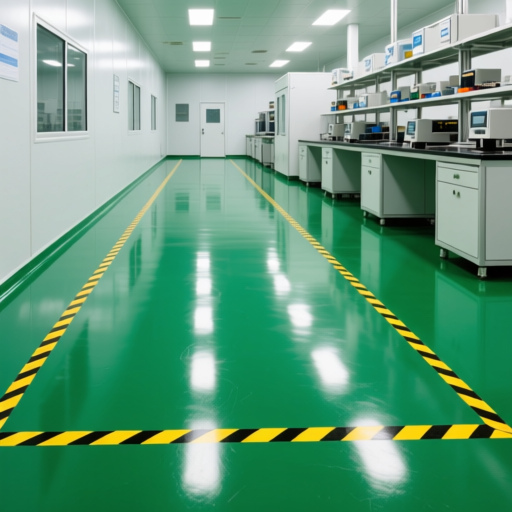
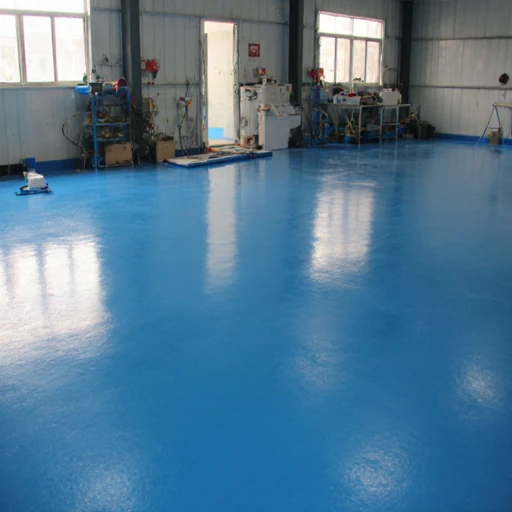
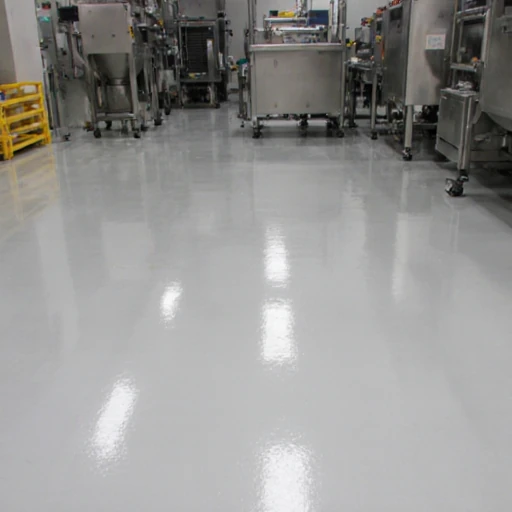
Simon's polyurethane mortar and epoxy series flooring systems all meet the corresponding anti-slip standards, suitable for the slip resistance, corrosion resistance, and heavy-load requirements of different functional zones in food factories.
Traditional dual/three-component products have single performance characteristics and struggle to balance multiple demands such as resistance to high and low temperatures, corrosion resistance, and heavy-duty wear. In contrast, Simon's 4C system employs the "Matrix - Crosslinking - Coloring - Reinforcement" quadruple synergistic technology, constructing a composite structure of "elastic matrix encapsulating rigid aggregate." This enables it to withstand extreme temperature differences from -40℃ to 130℃, resist 30% acid and alkali corrosion, and endure 15-ton forklift compaction without leaving marks. Furthermore, it meets environmental standards and extends service life by over 50%, making it fully suitable for harsh industrial scenarios.
Absolutely. Simon's CPU series (M100/M200/M300/M400) and SPU F200 have all passed FDA food contact safety certification. With VOC ≤50g/L, no odor, and no harmful substances, they can be in direct contact with food ingredients, meeting the hygiene standards of food factories and the certification requirements of the HACCP system.
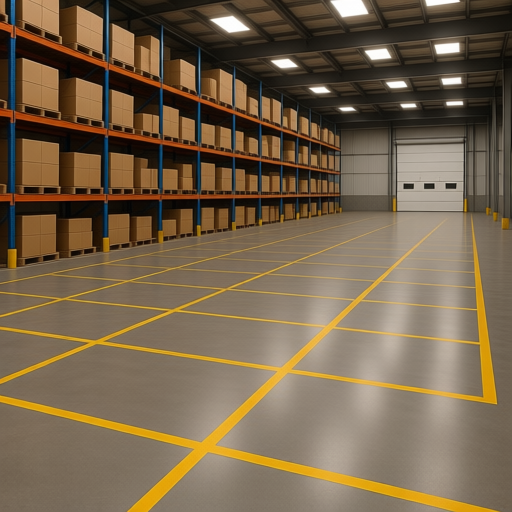
Simon's CPU M400 Heavy-Duty product boasts a compressive strength of ≥70MPa and a flexural strength of ≥25MPa. It can withstand high-frequency compaction by 15-ton forklifts, with a surface hardness reaching Shore D85. The SPU F100 General Purpose type is suitable for medium to heavy-duty scenarios, with a compressive strength of ≥60MPa. It meets high-load demands such as heavy machinery stacking and frequent operations, ensuring no scratches or deformation over long-term use.
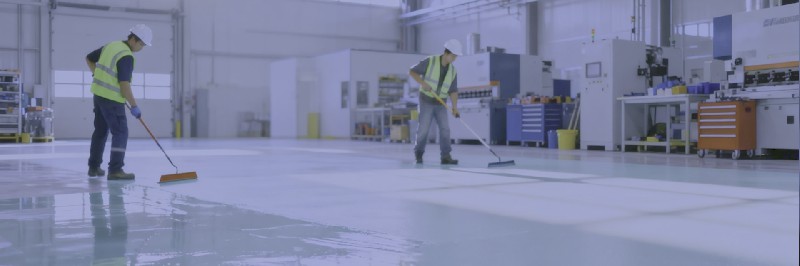
Construction Cycle: For standard projects (1,000-5,000㎡), the construction period is 3-7 days; for custom products like Epoxy Terrazzo (WEP-T400), the timeline adjusts to 7-15 days based on project area.
Environmental Requirements: Temperature should be between 10°C and 30°C, with relative humidity ≤75%. The substrate moisture content must be ≤8%, and the base must be dry, level, and solid.
After-Sales Guarantee: With 28 service centers nationwide, we guarantee a 2-hour response time. A 1-year free warranty and lifetime maintenance service are provided post-construction. For non-manual damages occurring within the warranty period, on-site repair or replacement is offered free of charge.
Product Selection Guide:
WPU-800 Wear-Resistant Varnish can serve as a protective topcoat for polyurethane and epoxy floors, enhancing their wear resistance, stain resistance, and scratch resistance, thereby extending their service life. WPU-810 Waterborne Color Paint can be used for coloring wood, metal, or plastic substrates in commercial spaces and residences, creating color coordination with the flooring for an integrated decorative effect. Both are water-based, eco-friendly formulations and can be applied concurrently with the flooring installation.
Not complicated. All Simon flooring systems feature a seamless, dense structure with no pores or hygiene dead corners. Daily cleaning requires only rinsing with water or neutral detergent. They offer strong stain resistance, preventing easy penetration of contaminants such as grease, sauces, or blood. Cleaning efficiency is over 40% higher compared to traditional flooring, with no need for special maintenance costs.



 cn
cn