

Applicable Scenarios:
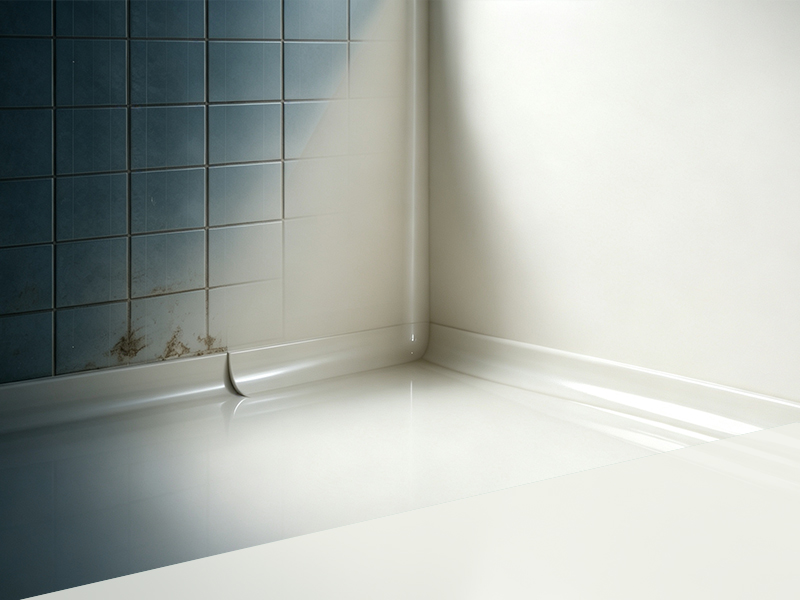
Suitable for high-humidity, high-mold workshops in brewing, seasoning, meat products, aquatic products, and pickled vegetables; cleaning and disinfection zones and wall skirts; cold storage buffer rooms, cold chain processing, constant temperature/humidity fermentation rooms; anti-mold renovation of
Coating Thickness: Single thin coat 0.06-0.08 mm
Core Features:
Benchmark waterborne anti-mold coating, 1 primer + 2 topcoats with food-grade sealant, Level 0 mold resistance, resistant to disinfectant and acid corrosion, scrub resistance greater than or equal to 30,000 cycles, low VOC, low-temperature applicable, mainstream choice for SC certification anti-mold
Key Technical Parameters:
Level 0 mold resistance (GB/T 1741), adhesion less than or equal to Grade 1 (GB/T 9286), alkali resistance 48h (GB/T 9274), water resistance 168h (GB/T 1733)
Benchmark anti-mold coating for high-humidity and high-corrosion scenarios in food and pharmaceutical plants, designed for the toughest mold, corrosion, and frequent washdown conditions. It is the mainstream choice for SC certification anti-mold requirements.
Core Application Scenarios
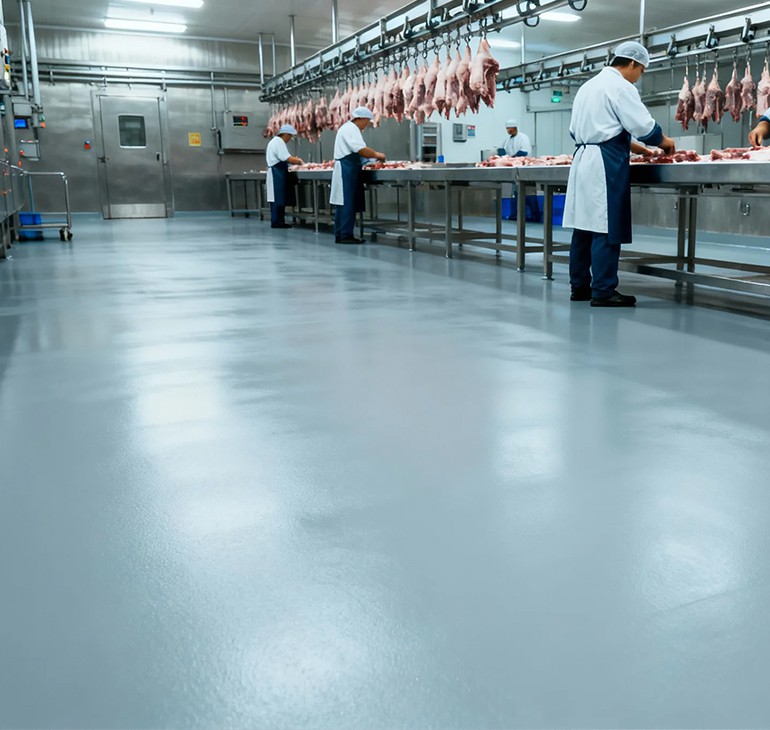
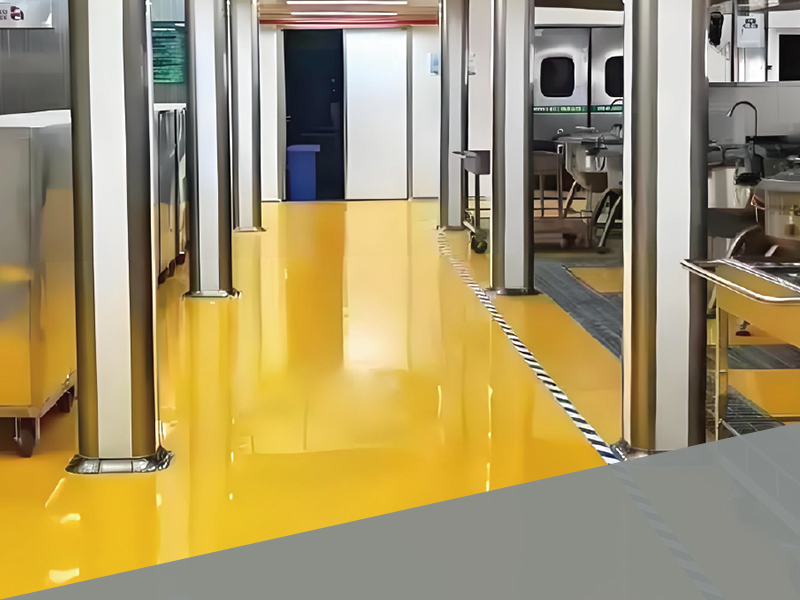
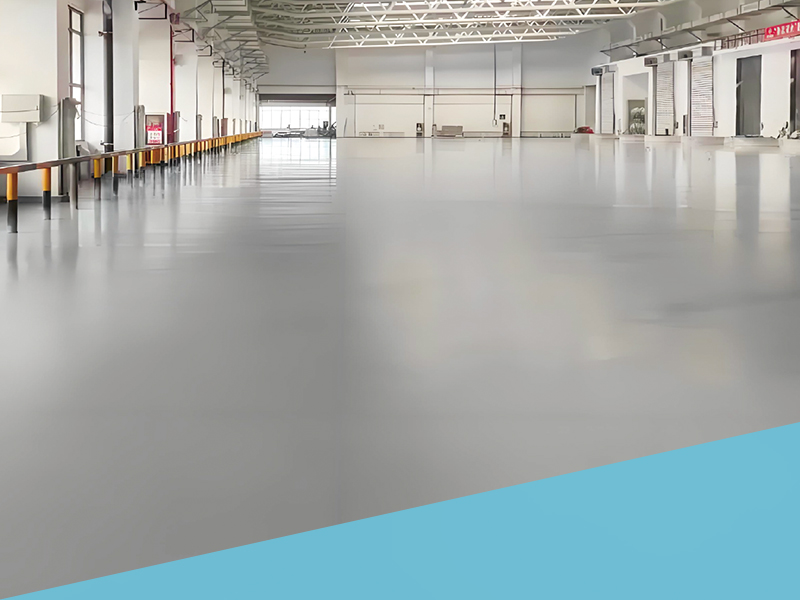
High-humidity and high-mold core production workshops: brewing and fermentation workshops, soy sauce/vinegar and other seasoning production workshops, slaughtering and meat processing workshops, aquatic product processing workshops, pickled vegetable curing workshops;
High-corrosion frequent washdown areas: raw material washing rooms, tool/utensil disinfection rooms, tool cleaning areas, wall skirt areas below 1.2 meters in workshops;
Low-temperature high-humidity special scenarios: cold storage buffer rooms, cold chain processing workshops, constant temperature and humidity fermentation rooms;
Renovation of old workshops: anti-mold recoating of color steel panels, cement walls, and old tile wall surfaces.
Core Compliance Standards
GB 14881-2025 General Hygienic Specification for Food Production (requirements for workshop environmental coating materials);
GB/T 1741-2020 Test Method for Resistance of Paint Films to Mold;
GB/T 9274-1988 Paints and Varnishes - Determination of Resistance to Liquids;
GB 30981-2020 Limit of Harmful Substances in Industrial Protective Coatings (solvent-based) / GB 18582-2020 Limit of Harmful Substances in Interior Wall Coatings (water-based).
SC Certification Mandatory Inspection Indicators
| Test Item | Applicable Standard | Qualified Indicator Requirements |
| Mold Resistance Grade | GB/T 1741-2020 | Level 0 (No Mold Growth) |
| Paint Film Adhesion | GB/T 9286-1998 | Grade 1 or below |
| Alkali Resistance | GB/T 9274-1988 | 48h No Abnormalities |
| Water Resistance | GB/T 1733-1993 | 168h No Blistering or Peeling |
| Hazardous Substance Limits (VOC, Heavy Metals, Benzene Series) | Applicable Hazardous Substance Standards | Complies with Standard Limits |
Physical and Chemical Performance Indicators
Resistant to sodium hypochlorite disinfectant corrosion (500ppm available chlorine, 72h no abnormalities);
Acid resistance (5% acetic acid, 48h no abnormalities);
Scrub resistance 30,000 cycles or more;
Low-temperature construction applicability.
Product Composition
Water-based epoxy sealing primer (1 coat) + Water-based 9512 anti-mold antibacterial topcoat (2 coats) + Food-grade anti-mold sealant (internal/external corners and joints).








 cn
cn