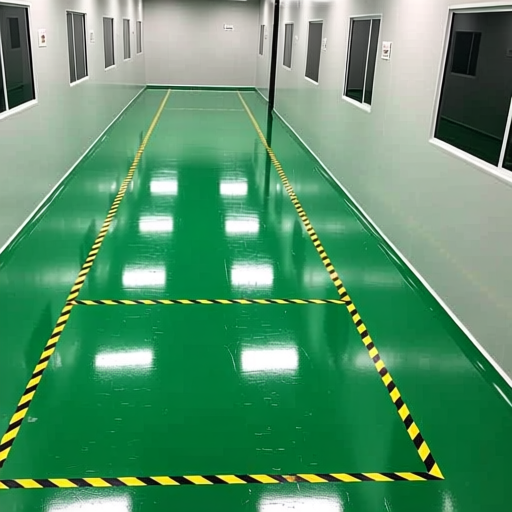
On September 2, 2026, the new national standard GB 14881-2025 comes into full mandatory enforcement, initiating a three-year compliance retrofit window for food enterprises nationwide. For many older food factories, prepared food plants, and central kitchens built years ago, their walls and floors were originally fully tiled. Today, every SC renewal, market spot inspection, and client BRC factory audit results in point deductions and rectification orders due to the tile system.
Many business owners face a dilemma: completely demolishing tiles and redoing flooring and walls means at least ten-plus days of production shutdown, resulting in hundreds of thousands in production loss; yet failing to rectify means not passing the new standard audit. Addressing this industry pain point, Simon, leveraging its full anti-mold and antibacterial coating system, has launched an integrated non-demolition tile renovation solution for existing tiles. Without removing original tiles, it uses FC-1020 specialized renovation primer + full-series anti-mold topcoats to seal tile joints and create a seamless, anti-permeation, anti-mold surface layer — perfectly meeting all mandatory clauses of GB14881-2025 at low cost and short construction duration for SC compliance upgrades.
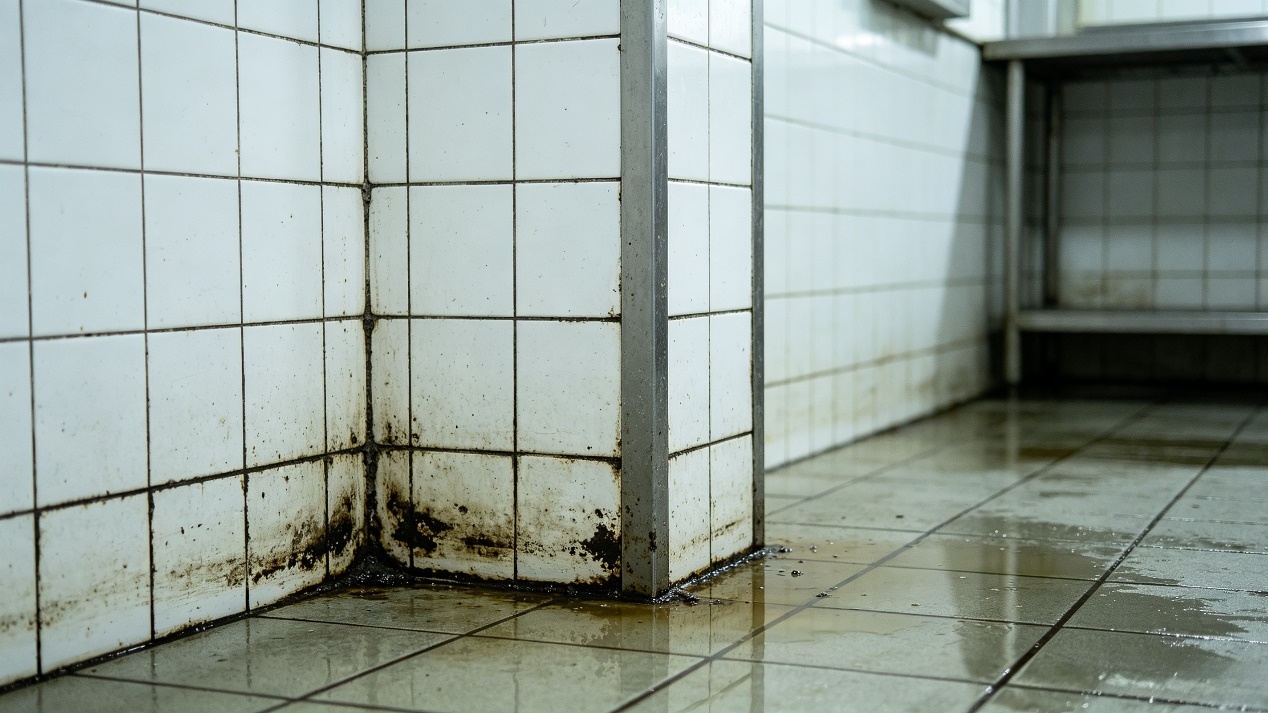
Referencing the original national standard text and market regulatory on-site inspection rules, traditional tile walls and floors have 4 fatal defects that all fail to meet new specification requirements:
Tile Joints Are Permanent Microbial Hiding Spots
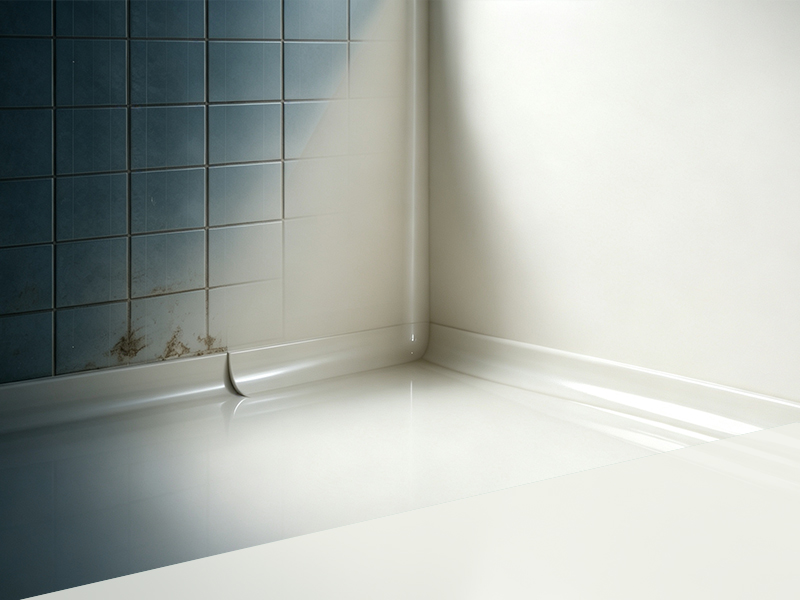
Tile grout/cement joint filler is porous and absorbent. Sauces, blood water, and cleaning wastewater seep into joints over time, reaching mold grades 3-4 within 28 days of cultivation. High-pressure water jets and chlorine-based disinfectants cannot deeply sterilize, and on-site ATP microbial tests consistently exceed limits — auditors directly order rectification.
Cannot Achieve National Standard R≥30mm Cove Transition
Tile right-angle installation creates inherent 90° dead corners at wall-floor junctions, column bases, and door/window inside and outside corners, where grease and residue accumulate and cannot be cleaned. GB14881-2025 explicitly requires full-area cove transitions without dead corners — the tile structure simply cannot satisfy this mandatory construction requirement.
Tile Surface Is Not Anti-Permeation, Substrate Continuously Returns Moisture and Molds
Regular tile glaze contains micropores. Long-term high-temperature steaming condensation and acid-alkali cleaning solutions penetrate the wall body, causing black mold growth behind the wall, eventually leading to wall blistering and tile detachment.
Joint Aging and Cracking, Continuous Contamination Source
After 2-3 years of use, grout cracks and detaches, joints widen and accumulate dirt, and tiled floors lack uniform drainage slopes — water pools long-term after washing, completely violating seamless floor and anti-ponding mandatory clauses.
The industry's traditional rectification approach is limited to "completely demolish all tiles and redo walls and floors," involving long shutdown periods, massive construction waste, and doubled retrofit costs — placing enormous pressure on SMEs. Simon's tile non-demolition renovation system addresses all four tile compliance deficiencies through surface sealing and transformation without removing the existing substrate.
The complete solution features a standardized three-layer structure: FC-1020 renovation epoxy sealing primer + functional anti-mold topcoat + food-grade anti-mold sealant, compatible with all tile wall and tile floor renovations. Four topcoat types are matched to workshop operating conditions, with core military-sourced 9512 anti-mold coating as the primary renovation material.
1. Renovation Core Base: FC-1020 Epoxy Sealing Primer (Tile-Specific)
As the foundation of the entire renovation system, specifically developed for smooth tile glazed surfaces and existing tile joints, solving the common problem of topcoat delamination on tiles:
✓ Silane coupling agent + penetration anchoring dual technology — adhesion reaches Class 0 after tile sanding, topcoat does not peel or blister long-term;
✓ Deep penetration sealing of tile joints and glaze micropores, blocking moisture and oil penetration into substrate, eliminating joint mold at the root;
✓ Compatible with tile, old epoxy, and color steel panel substrates — no need for large-scale removal of existing tiles;
✓ Environmentally compliant with GB 30981.1-2025, low VOC, low odor — construction does not disrupt short-term workshop production.
Application standard: After tile substrate sanding and dust removal, roll-apply 1 coat of FC-1020 primer to seal all joint pores; after full drying, apply two coats of anti-mold topcoat.
2. Primary Renovation Material: 9512 Military-Grade Long-Lasting Anti-Mold Antibacterial Coating (Preferred for General Food Factories)
Originating from GJB 9512A-2020 naval military anti-mold standards, suitable for steaming, braising, slaughtering, and cold storage high-humidity tile wall renovation — a top-selling tile renovation material with all indicators benchmarked against GB14881-2025:
Core Compliance Test Parameters (CMA Reports Acceptable for SC Filing):
Mold Resistance GB/T1741: Grade 0 (zero mold growth over 28 days, completely covering tile joints)
Scrub Resistance: FC-2038 basic ≥30,000 cycles, FC-2238 floor-specific ≥100,000 cycles — tile floors can also be coated for wall-floor integrated anti-mold
Chemical Resistance: 5% acetic acid, 500ppm sodium hypochlorite immersion 72h — no blistering or discoloration, resistant to food sauces and disinfectant long-term washing
Antibacterial Performance: E. coli and S. aureus antibacterial rate ≥99.9%, blocking bacterial growth channels in tile joints
Environmental Limits: Compliant with GB 18582 interior wall coating standard, zero free formaldehyde, no irritating odor
Applicable Tile Renovation Scenarios:
Meat products, prepared foods, brewing, cleaning and disinfection rooms, cold storage buffer rooms — aged tile walls/floors; color steel panel + tile composite aged workshops.
Renovation Advantages:
Two coats of 9512 topcoat fully cover tiles and joints, forming a complete seamless anti-permeation membrane. Construction simultaneously applies R30/R50 national standard coves, completely eliminating tile right-angle dead corners — one renovation satisfies all SC anti-mold, anti-permeation, and no-dead-corner requirements.
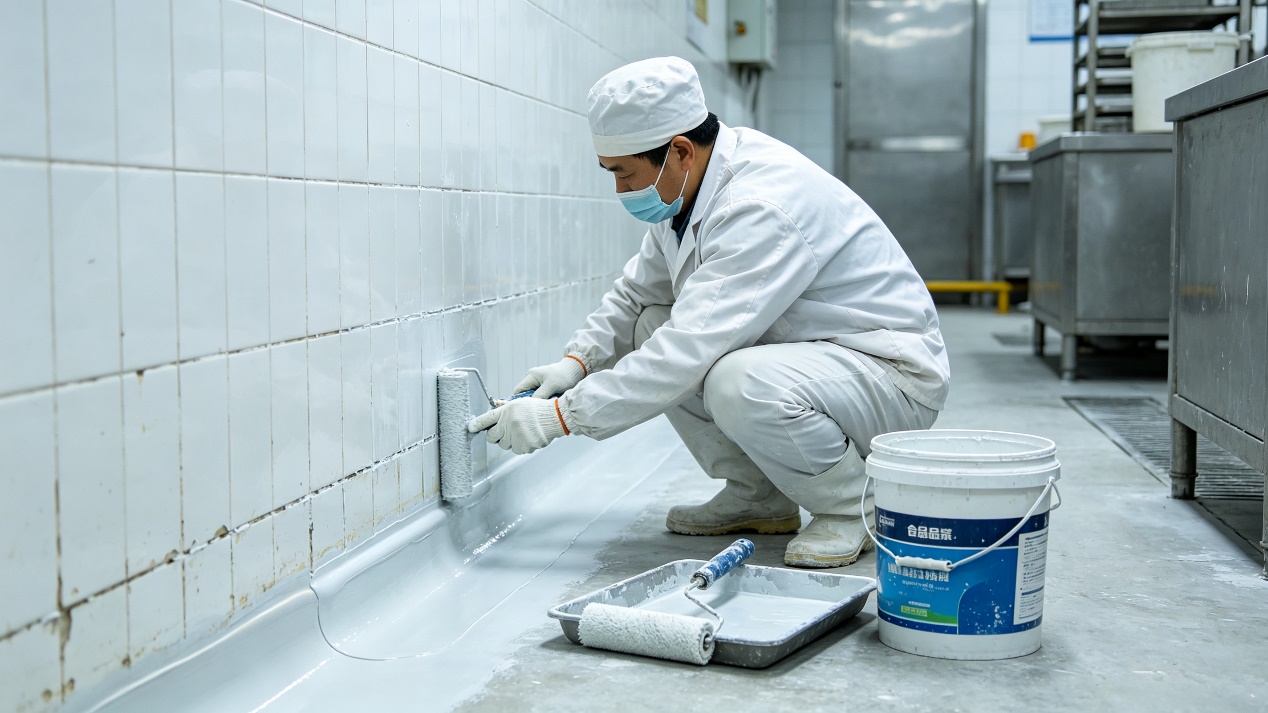
3. Three Supporting Topcoats, Matched to Tile Renovation Projects as Needed
(1) Ceramic-Like Coating | Ambient Temperature Warehousing and Filling Workshop Tile Renovation
Suitable for baking, beverage, and outer packaging workshop tile walls — cost-effective, mold resistance Grade 0, scrub resistance ≥10,000 cycles, matte surface for easy daily grease inspection. First choice for large-area warehouse tile renovation.
(2) A1 Class Inorganic Anti-Mold Coating | Frying and Starch Dust-Explosion Workshop Tile Renovation
Simultaneously satisfies GB8624 A1 Class non-combustible fire protection + Grade 0 anti-mold dual standards. Suitable for high-temperature baking and flour processing workshop tile wall renovation, balancing fire inspection and SC hygiene audit.
(3) Polyurethane Anti-Mold Antibacterial Coating | High-End Sterile, Hydrogen Peroxide Disinfection Workshop Tile Renovation
Resistant to high-concentration peracetic acid and hydrogen peroxide long-term spraying, yellowing-resistant, with higher density. Suitable for prepared food sterile packaging and health food workshop tile renovation — 10-year long-term maintenance-free.
4. Supporting Finishing: Food-Grade Anti-Mold Sealant
During renovation, all inside/outside corners, column bases, and door/window joints are simultaneously finished with anti-mold sealant, integrally forming R≥30mm coves, smoothing out tile original right angles, achieving full-room seamless with no dirt-accumulating dead corners — fully matching GB14881 cove mandatory specifications.
Universal Process Steps (Uniform Application for All Tile Walls and Floors):
Workshop zone partitioning and containment, tile surface high-pressure washing to remove joint grease and black mold;
Light sanding and roughening of tiles, dust removal and drying, roll-apply 1 coat of FC-1020 renovation sealing primer to seal joint micropores;
Apply cove filler to transform original 90° tile inside/outside corners into R30 national standard coves;
Apply two coats of corresponding functional anti-mold topcoat by roller (9512 anti-mold antibacterial coating / ceramic-like coating / A1 inorganic coating / polyurethane topcoat);
Apply food-grade anti-mold sealant at inside/outside corners and column base joints for integral seamless forming;
After curing completion, a complete anti-permeation and anti-mold integrated surface layer is formed — no need to remove existing tiles.
Workshop-Specific Tile Renovation Plans:
Steaming/Braising High-Humidity Tile Workshops
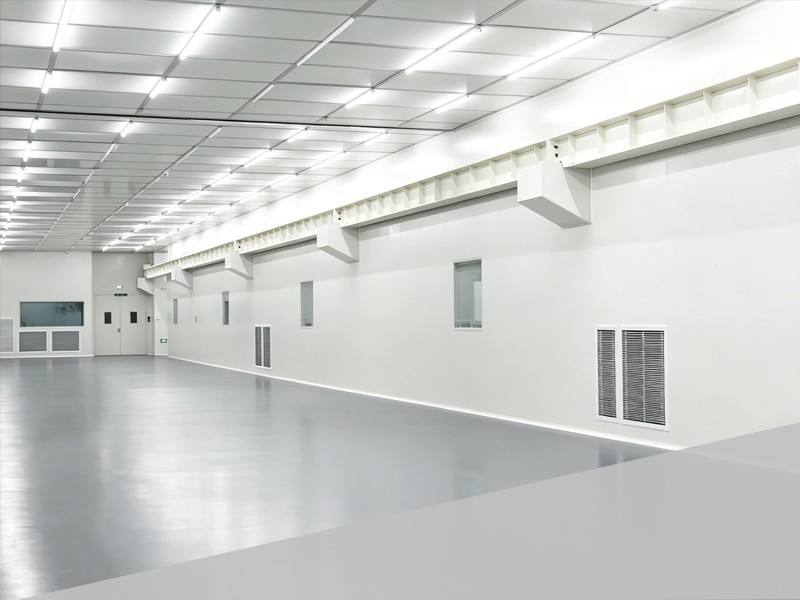
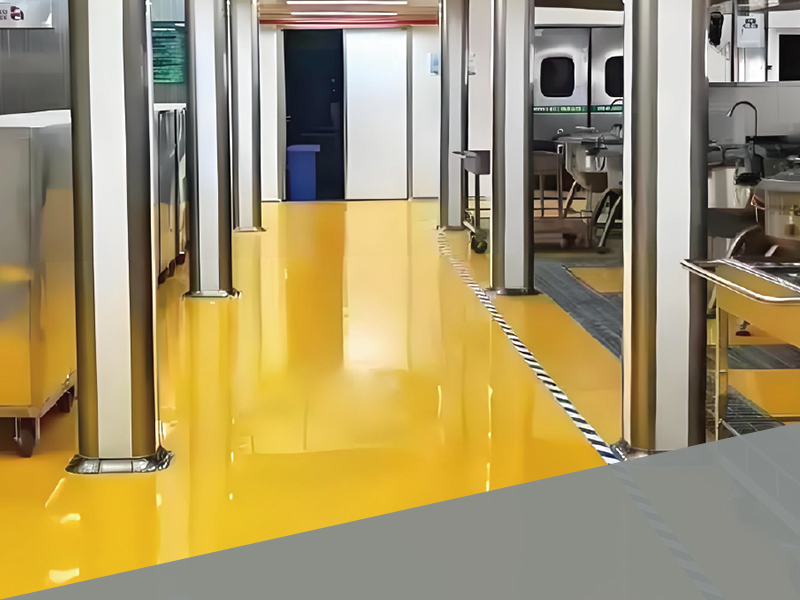
Complete tile wall renovation: FC-1020 primer + two coats of 9512 FC-2238 wall-specific anti-mold coating, wall-floor synchronized R50 coves, full-height coverage, resistant to 100°C steam and sauce long-term penetration. Floor can be renovated to epoxy self-leveling or polyurethane mortar self-leveling.
Sterile Filling Ambient-Temperature Tile Cleanrooms
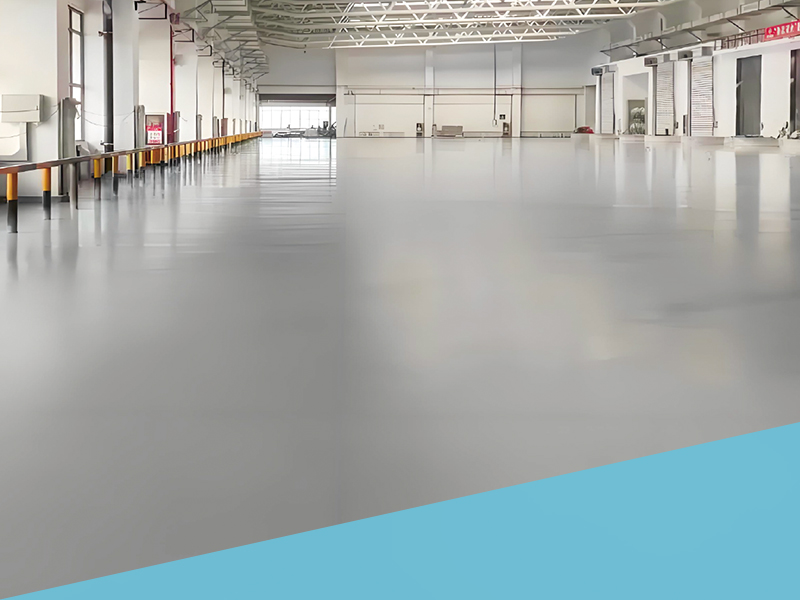
Tile wall renovation: FC-1020 primer + ceramic-like coating, wall height ≥2.5m, matte low-reflectivity, resistant to alcohol high-frequency disinfection. Floor can be renovated to epoxy self-leveling or polyurethane mortar self-leveling.
Frying and Starch Dust-Explosion Tile Workshops
Tile wall renovation: FC-1020 primer + A1 Class inorganic anti-mold coating, simultaneously passing fire A1 fire protection and SC anti-mold dual audits. Floor can be renovated to epoxy self-leveling or polyurethane mortar self-leveling.
Cold Storage Quick-Freeze Aged Tile Workshops
Tile wall renovation: FC-1020 primer + two thickened coats of 9512 heavy-duty anti-corrosion variant, blocking cold storage condensate penetration into tile joints, eliminating wall black mold spots. Floor can be renovated to epoxy self-leveling or polyurethane mortar self-leveling.
No Need to Remove Existing Tiles — Production Downtime Reduced by 80%
Eliminates tile demolition and construction waste removal processes. Can be implemented in zoned, phased construction — single workshop renovation takes only 3-5 days, production lines can operate on staggered schedules, significantly reducing shutdown production loss, perfectly suited for the three-year phased retrofit window.
Complete Joint Sealing — Thoroughly Resolves SC Mold Deduction Issues
FC-1020 primer penetrates and seals joints, combined with 9512 full-series anti-mold topcoat forming a continuous seamless membrane — grease and moisture cannot penetrate joints, achieving long-term Grade 0 mold resistance, never again subject to rectification orders due to joint microbial exceedance.
On-Site Integral Forming of National Standard R Coves — Eliminates Tile Right-Angle Hygiene Dead Corners
Renovation construction simultaneously transforms inside/outside corner coves, circumventing GB14881's explicit prohibition of 90° right-angle dirt accumulation issues, satisfying audit construction mandatory clauses in one go.
Complete SC Compliance Testing Documentation — One-Stop Delivery
FC-1020 primer, 9512 anti-mold coating, and all topcoat series provide complete GB14881-2025, GB/T1741 anti-mold, and GB30981 environmental full CMA testing reports. Upon completion, cove construction photos and complete warranty documents are delivered — ready for spot inspections and SC renewal filing at any time.
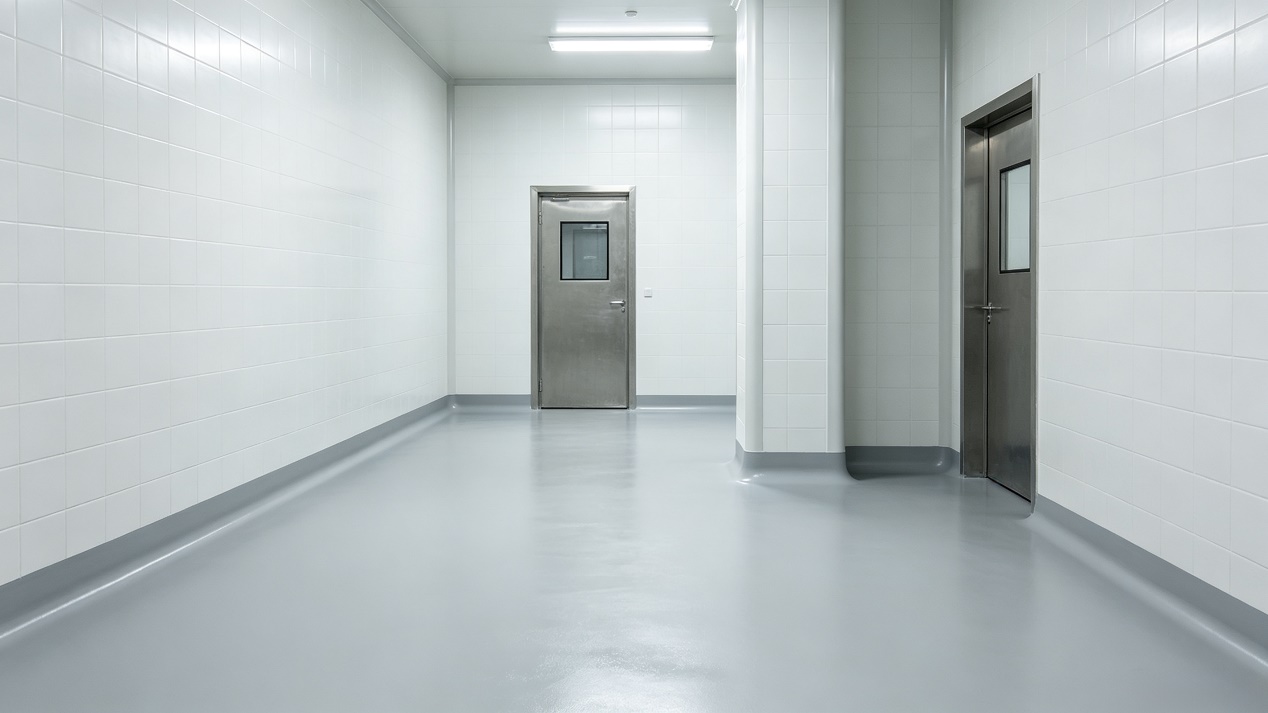
In response to the massive compliance upgrade needs of older tiled factory buildings, Simon is offering 3 free specialized support services:
On-site survey and inspection, detecting tile joint mold and water penetration points, issuing compliance risk reports;
Customizing "FC-1020 Primer + 9512 Anti-Mold Coating" tile non-demolition renovation exclusive plans with precise budgets based on workshop operating conditions;
Complete SC audit material testing report compilation, acceptance documentation filing guidance.



 cn
cn