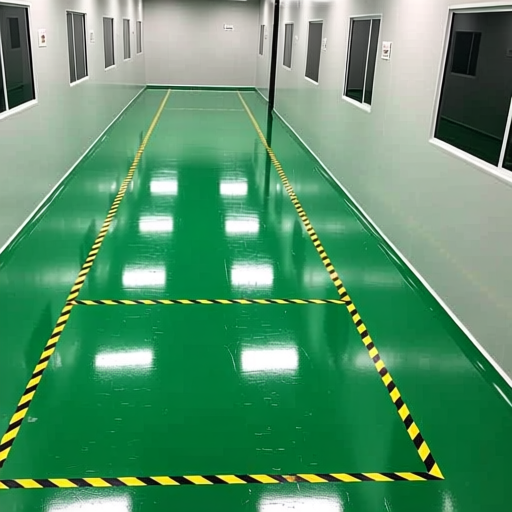
In the heart of food processing plants, an invisible war rages daily: the relentless assault of high-pressure hot water and corrosive cleaning agents, the alternating trials of cold chain and high-temperature environments, the constant impact of heavy-duty forklifts and sharp utensils. These harsh conditions collectively point to a severely underestimated facility element: the production floor. Surveys show that over 65% of food companies have experienced direct or indirect product contamination risks, production interruptions, or safety incidents due to floor failures—such as cracks harboring dirt, poor corrosion resistance, or slippery surfaces causing falls. The Saimon Food-Grade Specialized CPU (Modified Polyurethane) Series Flooring System is the systematic solution born to tackle this series of "impossible triangles"—simultaneously achieving ultimate cleanliness, extreme durability, and absolute safety in the most severe physical and chemical environments.
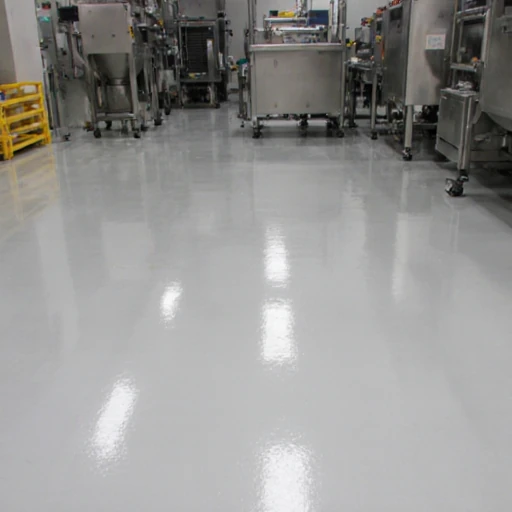
The demands placed on flooring in food production environments far exceed general industrial standards, creating a multi-dimensional matrix of challenges:
The Ultimate Challenge of Hygiene and Safety:
Microbial Breeding Grounds: Floor cracks and pores become sanctuaries for bacteria (e.g., Listeria, Salmonella) and mold growth.
Chemical Cleaning Resistance: Must withstand daily corrosion from high-concentration chlorine-based disinfectants, peracetic acid, quaternary ammonium compounds, etc. Ordinary materials easily chalk, discolor, and lose integrity.
High-Temperature, High-Pressure Washdown: Prolonged impact from hot water and steam above 80°C causes thermal stress damage.
The Extreme Test of Physical Load-Bearing:
Continuous Heavy Loading: Frequent rolling by forklifts (often 3-5 tons) laden with raw materials.
Sharp Impact and Abrasion: Localized impacts and scratches from dropped metal utensils and frozen products.
Extreme Temperature Swings: Thermal expansion and contraction stress from moving between -25°C cold storage and ambient or even high-temperature processing areas.
The Mandatory Hurdle of Regulatory Compliance:
Must pass authoritative certifications like FDA 21 CFR 175.300 (Indirect Food Contact Materials) and NSF/ANSI 141, ensuring the material itself is safe and non-toxic.
Must comply with the stringent infrastructure requirements of HACCP systems and international food safety standards like BRCGS and IFS.
The Saimon CPU Series is not a single material but a "systematic protective fortress" built through four core technologies targeting the pain points of the food industry.
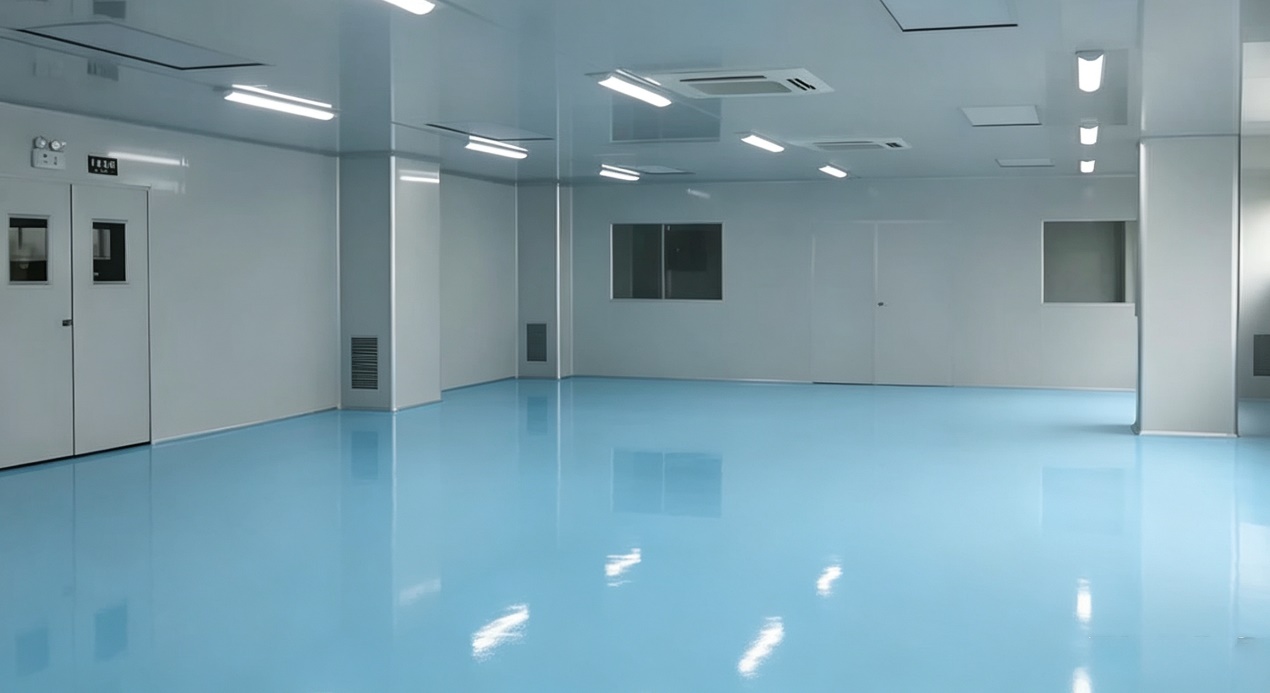
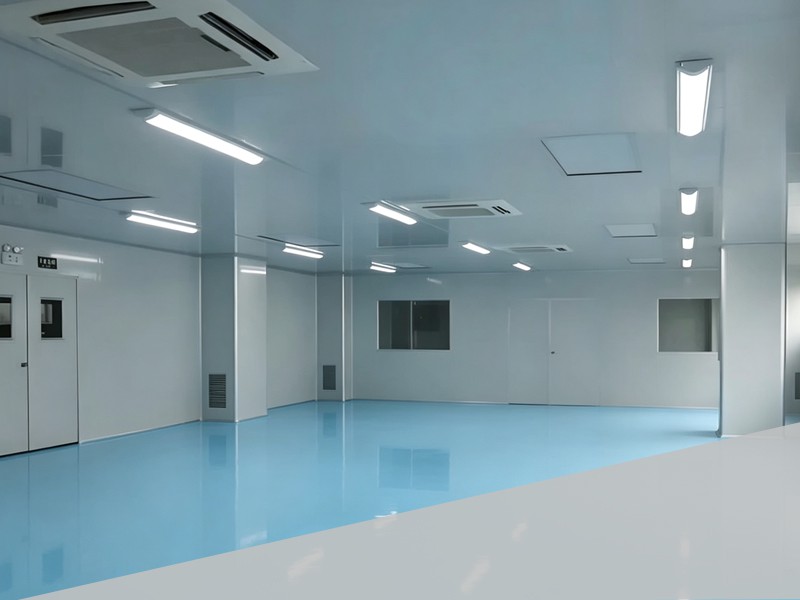
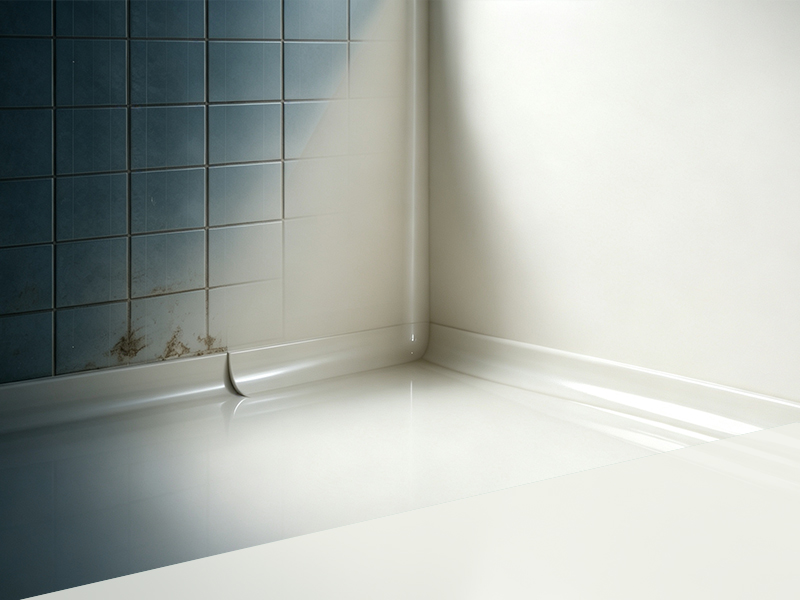
Core Technology: 100% Solids Content, Solvent-Free Reactive Curing. Liquid materials mix and self-level, curing to form a truly zero-porosity, dense surface.
Solving Pain Points:
Seamless Monolithic: Completely eliminates the risk of dirt accumulation and microbial growth in seams and cracks common in traditional floors.
Easy Cleaning: The dense surface prevents water, oil, and stains from penetrating, improving daily cleaning efficiency by over 50%, meeting daily deep-cleaning requirements.
Authoritative Certification: Materials comply with EU EC 1935/2004 (Food Contact Materials Regulation) and are NSF certified, ensuring long-term safety in food contact environments.
Core Technology: "Elastomer-Rigid Skeleton" Composite Structure. The top layer is a flexible polyurethane cushion, the bottom layer is a rigid quartz aggregate support layer.
Solving Pain Points:
Impact Resistant, Crack-Free: The flexible layer absorbs impact from falling objects (can withstand a 1kg steel ball dropped from 1 meter without cracking), while the rigid layer resists continuous rolling.
Low Deformation Under Thermal Stress: Excellent elasticity (elongation at break ≥35%) effectively absorbs the immense internal stress generated by thermal cycling, preventing blistering and cracking due to expansion and contraction. Tests show >95% bond strength retention after 1000 cycles between -25°C and 80°C.
Exceptionally Long Wear Life: The surface layer has excellent abrasion resistance. Even under daily rolling by heavy forklift metal wheels, annual wear is less than 0.1mm.
Core Technology: Aliphatic Polyurethane Structure and Special Corrosion-Resistant Fillers. Utilizes chemically stable aliphatic isocyanates and incorporates acid/alkali-resistant inorganic fillers.
Solving Pain Points:
Broad Chemical Resistance: Excellent resistance to acids (citric, acetic), alkalis (sodium hydroxide cleaners), fats, brines, etc., commonly used in food processing. No softening, discoloration, or delamination after prolonged immersion.
Tolerance for Strong Oxidizing Disinfectants: In 30-day immersion tests with 10% sodium hypochlorite solution, surface hardness and gloss retention exceeded 90%, far surpassing epoxy materials (less than 60%).
Core Technology: Dual High-Performance "Wet and Dry" Slip-Resistant Texture Design. Scientific control of micro-surface texture through coating processes and special aggregate exposure techniques.
Solving Pain Points:
More Slip-Resistant When Wet: Even on floors slippery with grease and foam, its wet slip resistance coefficient (DIN 51130 standard) can reach R10-R11 grade (medium to high slip resistance), significantly reducing slip-and-fall risks for personnel in wet cleaning environments.
Comfortable and Easy to Clean: The slip-resistant texture provides safety while balancing ease of trolley movement and cleaning convenience.
The CPU Series provides precise solutions for the unique challenges at different stages of the food supply chain:
| Application Scenario | Core Challenges | CPU Solution | Key Value |
|---|---|---|---|
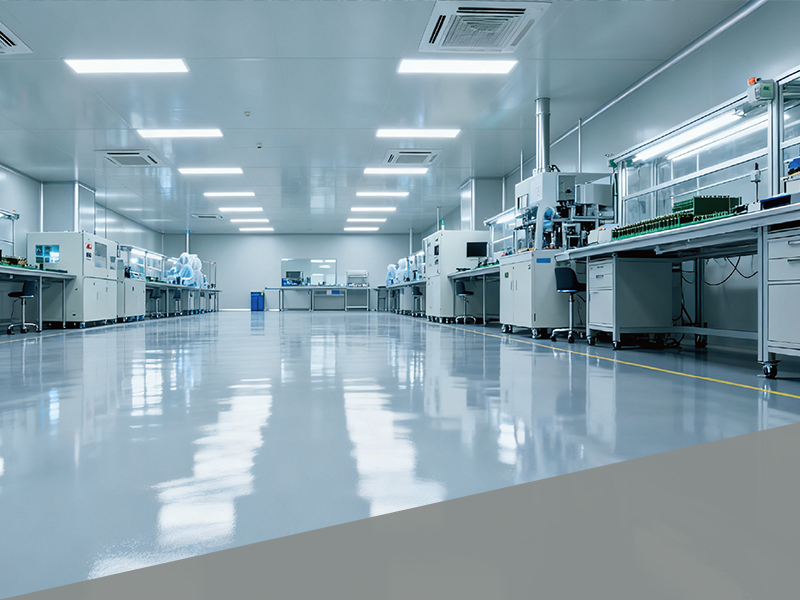
| Slaughter, Cutting & Aquatic Processing | Low temp/humidity, blood/fats, high bacteria, sharp tools | CPU M300 (Heavy-Duty Slip-Resistant) | Good low-temp elasticity, high slip resistance, corrosion resistant to blood/fats, easy to clean/disinfect |
| Dairy & Beverage Workshop | Acidic liquids (e.g., yogurt), syrup, frequent acid/alkali CIP cleaning | CPU FS (Chemical-Resistant) | Exceptional acid/syrup adhesion resistance, passes relevant FDA certifications |
| Central Kitchen & Hot Cooking Areas | Steam/heat, grease penetration, heavy material handling | CPU HT (High-Temperature Resistant) | Heat resistant up to 120°C, grease penetration resistant, dimensionally stable in hot zones |
| Freezer/Cold Storage (-25°C) | Extreme low-temp embrittlement, forklift rolling, ice crystal abrasion | CPU FR (Low-Temperature Elastic) | Maintains elasticity at -40°C, resistant to freeze-thaw cycles, wear and slip resistant |
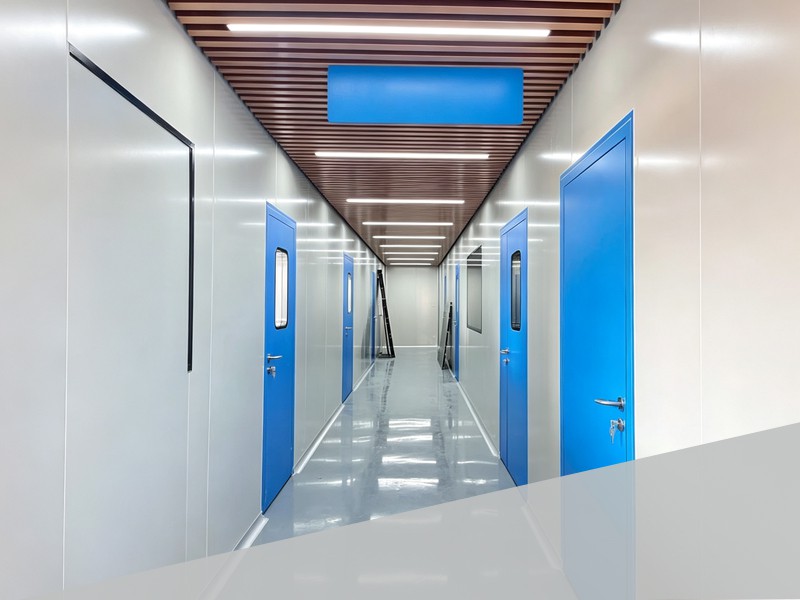
| Visitor Corridors & Packaging Areas | Aesthetics, cleanliness, medium loads | CPU DC (Self-Leveling Decorative) | Rich color options, high-gloss finish, meets visitor-level cleanliness standards |
For food companies, floor material compliance is not a bonus but a prerequisite. The CPU Series clears the path for food safety and international trade with a complete system of authoritative certifications:
Global Food Contact Safety Certifications: Passes US FDA 21 CFR 175.300 and complies with the EU EC 1935/2004 framework, proving absolute safety as an indirect food contact material.
Public Health & Material Safety Certifications: Holds NSF/ANSI 141 (Nonfood Compounds) certification and French ACS (Contact with Drinking Water) approval, confirming non-toxic, pollution-free material.
Compatibility with International Food Safety Standards: Its performance and design fully support the establishment and passing of audits for systems like HACCP, BRCGS, IFS, SQF, providing a complete compliance evidence package for floor facilities.
Environmental Certifications: The entire series has extremely low VOC content, meeting requirements of LEED Green Building and WELL Building Standards, caring for employee health.
Selecting food-grade flooring requires moving beyond "cost per square meter" thinking to evaluating Total Cost of Ownership (TCO) and Risk Avoidance Value.
Taking a 10,000㎡ meat processing plant as an example, comparing ordinary epoxy flooring with Saimon CPU flooring:
Ordinary Epoxy Flooring: Initial cost ~¥180/㎡. However, under high-intensity use and corrosive environments, severe wear, cracking, and dirt accumulation typically occur within 2-3 years, requiring a complete overhaul, with each refurbishment cost (including downtime losses) as high as 70% of the initial investment. Estimated 10-year TCO: 180 + (180*0.7)*3 ≈ ¥5.58 million, alongside facing multiple shutdowns and potential contamination risks.
Saimon CPU Flooring System: Initial cost ~¥400/㎡. With exceptional performance, its design service life exceeds 15 years, requiring only minimal routine maintenance. The primary 10-year cost is the initial investment: ~¥4 million.
Conclusion: Although the CPU system has a higher initial investment, its exceptionally long maintenance-free cycle, near-zero downtime risk, and the invaluable protection of product safety and brand reputation mean that over a 10-year horizon, it not only has a lower total cost but also creates safety and credibility value that cannot be measured in monetary terms.
In an era where food safety is paramount, every detail in the production environment can amplify risk or stabilize safety. The Saimon Food-Grade Specialized CPU Series Flooring, with its systematic technological solutions, upgrades the floor from a passive "infrastructure" to an active "protective shield." It not only meets today's challenges but also serves as a solid foundation for food companies to win future competition in quality, efficiency, and compliance. When your floor can withstand high pressure, corrosion, impact, and extreme cold while consistently maintaining cleanliness and safety, you can truly focus on producing the most delicious food and safeguarding the "safety on the tip of the tongue" for millions of households.



 cn
cn