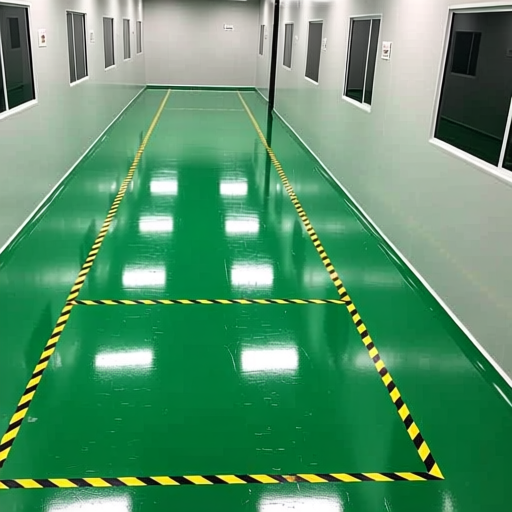
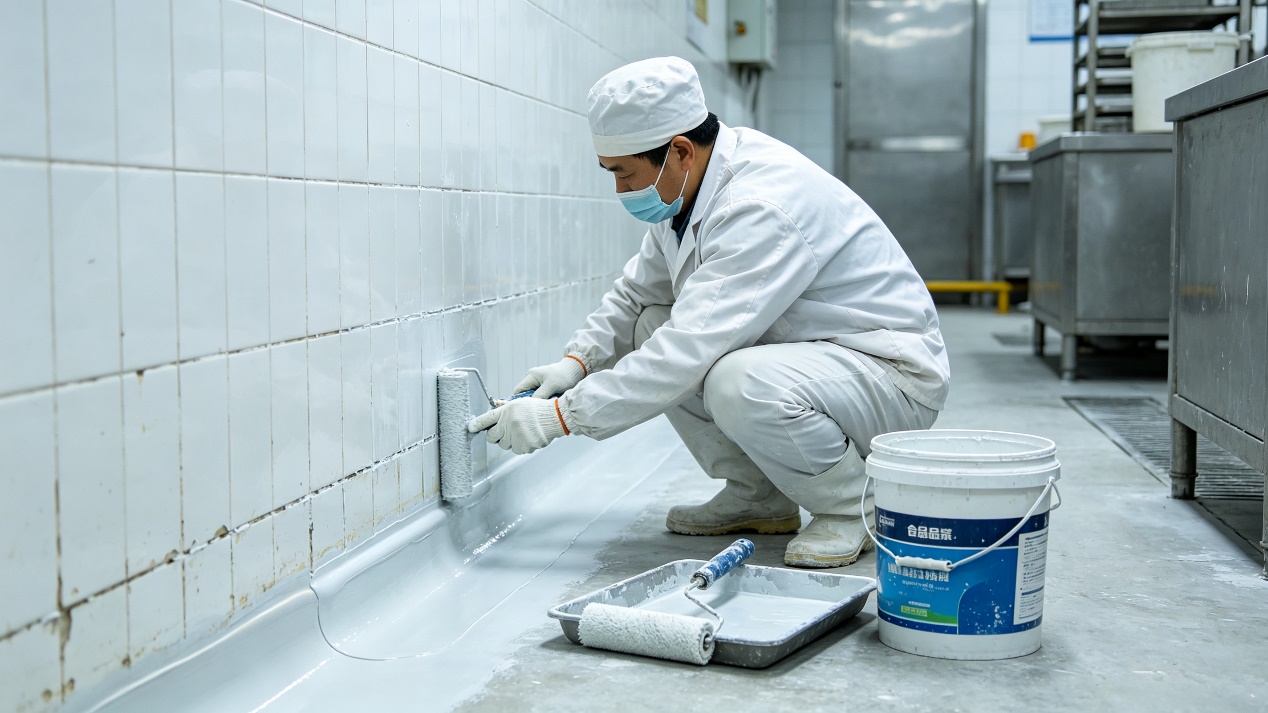
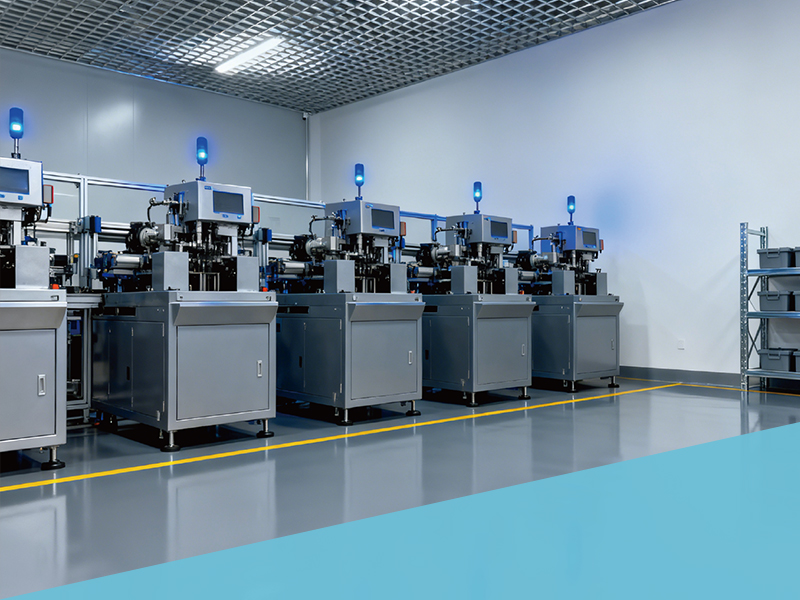
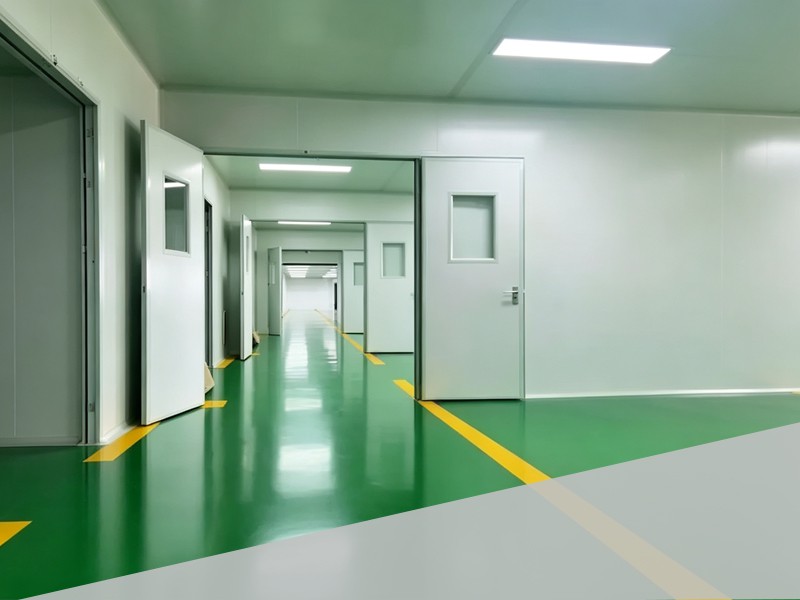
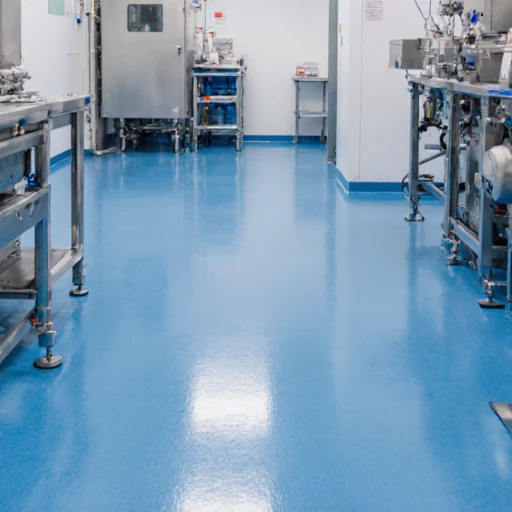
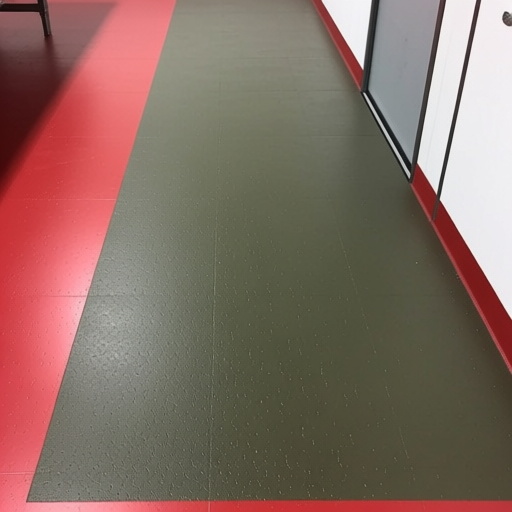
Walls and floors are fundamental mandatory inspection items in food production licensing on-site audits. Mastering the following 4 core key points can significantly improve certification pass rates and reduce rectification rework.
1. Prepare Documentation in Advance
Third-party CMA test reports for wall and floor materials (mold resistance, antibacterial, hazardous substance limits)
Construction acceptance records, concealed work documentation, product qualification certificates
Clean zone layout plan with wall and floor material selections marked for each area
2. Prioritize Self-Inspection of Key Areas
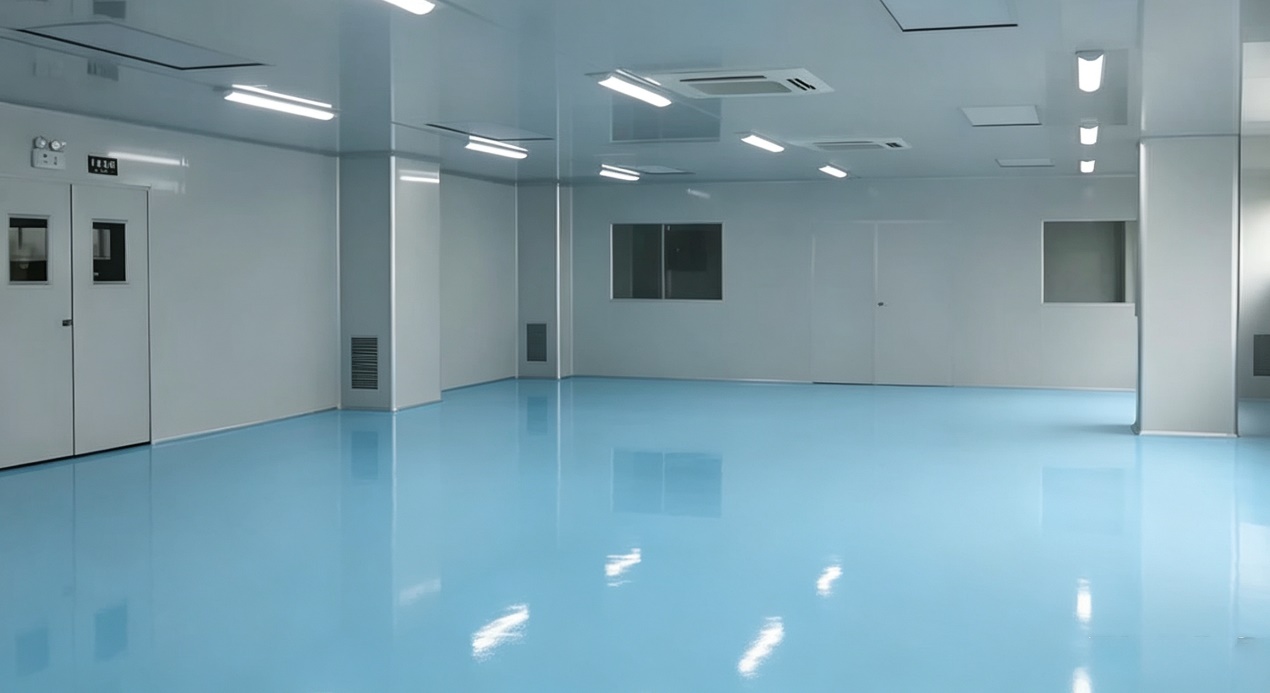
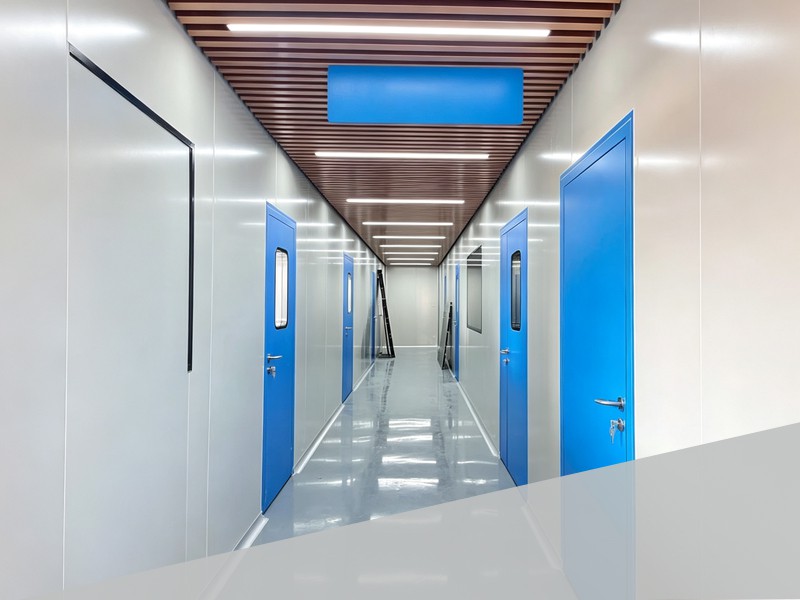
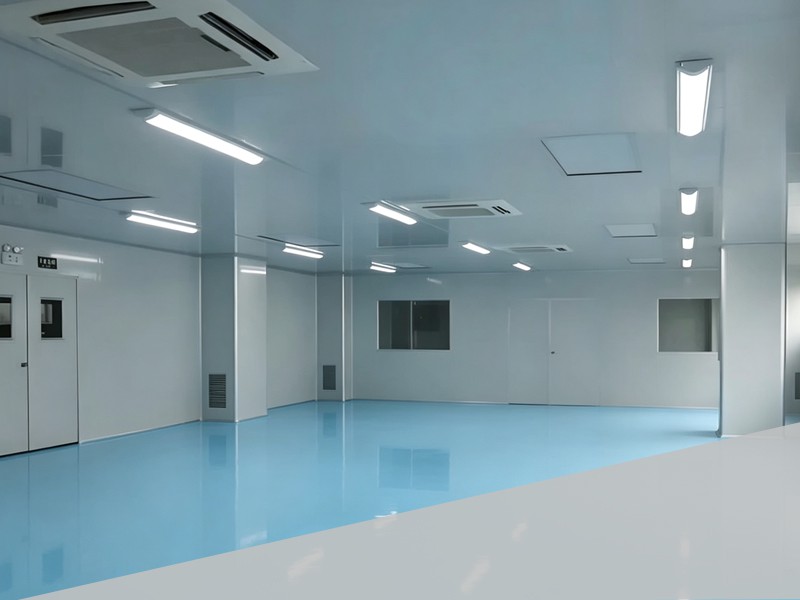
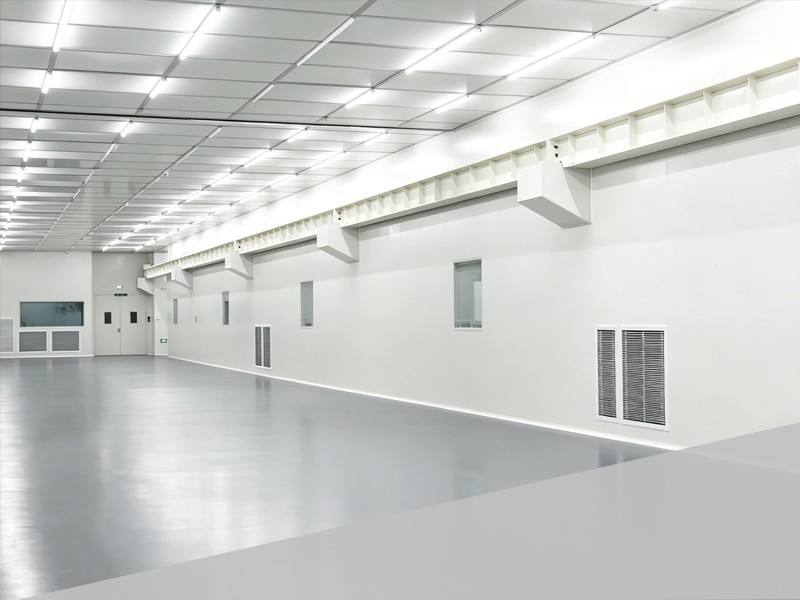
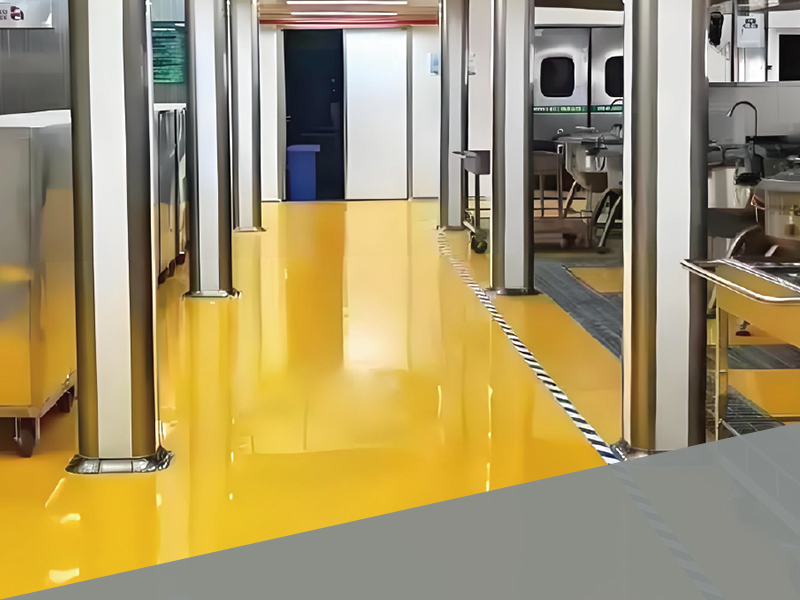
Clean operation areas are the core focus of audits — ensure wainscot height, curved corner transitions, mold resistance, and drainage slope all meet standards first. Requirements for general operation areas may be moderately relaxed.
3. Avoid Common Non-Conformance Items
Prohibited: Using regular household latex paint in place of food-grade anti-mold coatings
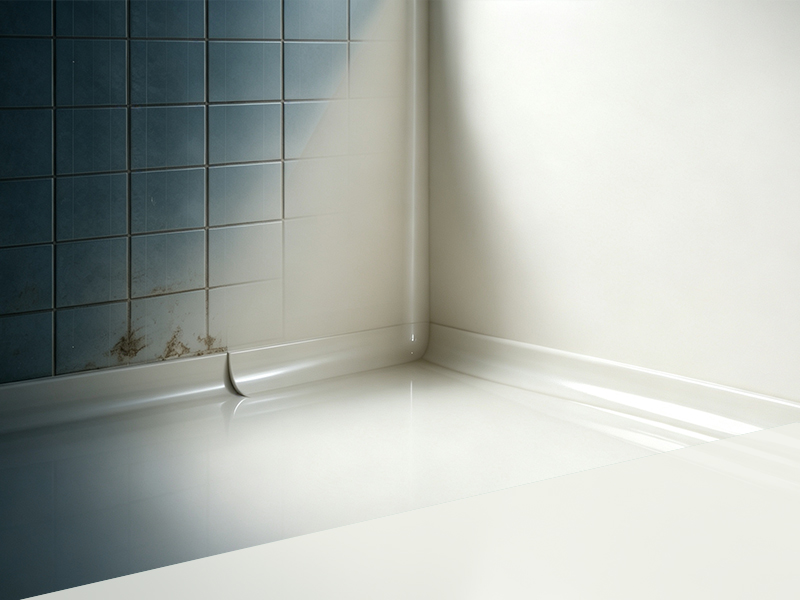
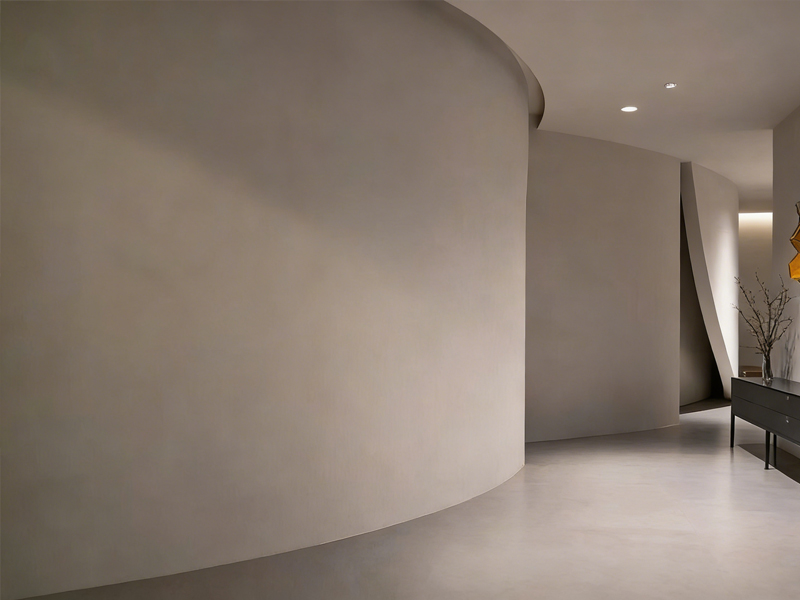
Prohibited: Right-angle wall corners without curved transitions
Prohibited: Standing water on floors, floor drains without water seals
Prohibited: Visible mold stains or coating delamination on walls
4. Closed-Loop Rectification Management
If minor non-conformance items are identified during inspection, immediately define the rectification plan and timeline, submit rectification supporting evidence on schedule, and form a complete closed loop to avoid impacting the review timeline.
Simon provides full-process services for food factory wall and floor compliance diagnosis, rectification construction, and certification coordination. Familiar with Guangdong local SC review rules, with local teams providing 24-hour response.




 cn
cn