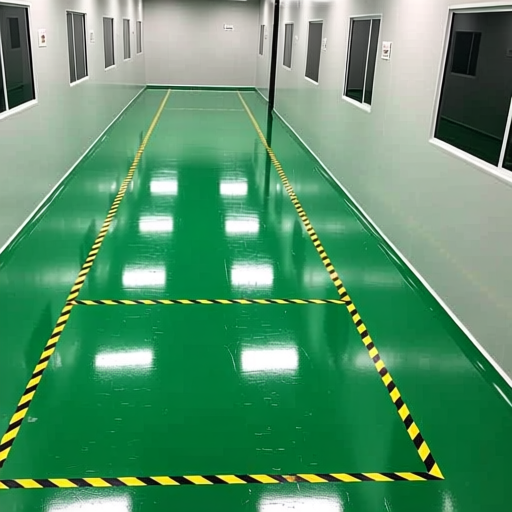
With increasingly stringent national environmental policies and a growing sense of corporate social responsibility, VOC (Volatile Organic Compounds) emissions have become a core concern in the flooring industry. Statistics show that traditional solvent-based floor coatings typically have a VOC content ranging from 300-600 g/L, while water-based coatings compliant with national environmental standards have a VOC limit below 100 g/L. In this context, Simon Company has launched a full series of flooring solutions with VOC ≤ 50 g/L. This value is not only significantly lower than the national standard but also achieves industry-leading levels, setting a new benchmark for environmentally friendly flooring.
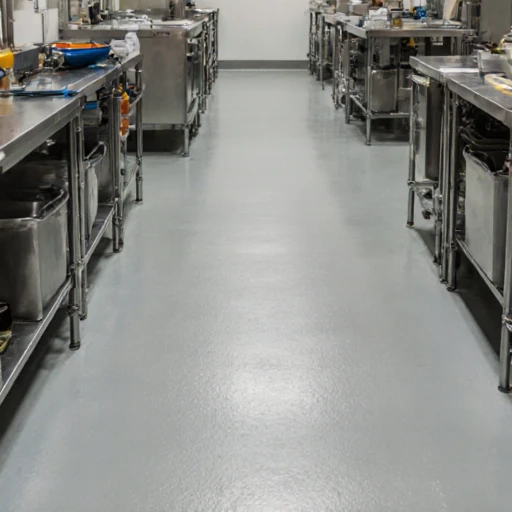
VOCs are a collective term for volatile organic compounds found in floor coatings, primarily originating from solvents, thinners, and certain resin components. When VOC content is excessively high:
Construction Hazards: VOC concentrations at construction sites can reach several hundred mg/m³, far exceeding the limits specified in the national "Indoor Air Quality Standard" (GB/T 18883-2022) (Total Volatile Organic Compounds TVOC ≤ 0.6 mg/m³), causing harm to the respiratory and nervous systems of construction workers.
Long-term Impact: Even after construction is completed, residual VOCs can continue to be released for weeks or even months, affecting indoor air quality and occupant health.
Environmental Cost: VOCs are significant precursors to ozone and PM2.5 formation; releasing approximately 1 ton of VOCs can generate about 3 tons of ozone, exacerbating air pollution.
The quality of low-VOC flooring products on the market varies. It is recommended to evaluate based on the following five dimensions:
Dimension One: Environmental Certification Systems
Domestic Certification: Check if it possesses the China Environmental Label (Ten-Ring Certification), Green Building Materials Product Certification.
International Certification: High-score certifications within green building systems such as LEED, WELL, BREEAM.
Test Reports: Require suppliers to provide third-party test reports accredited by CMA or CNAS.
Dimension Two: VOC Limit Grading
Basic Level: VOC ≤ 100 g/L (Meets National Standard)
Good Level: VOC ≤ 80 g/L (Green Building Materials Requirement)
Excellent Level: VOC ≤ 50 g/L (Industry Leading Level)
Ultimate Level: VOC ≤ 10 g/L (Near-Zero Emissions)
Dimension Three: Performance Balance Capability
Truly high-quality low-VOC flooring must achieve a balance between environmental protection and performance:
Wear Resistance: Meets the Class A requirement of the National Standard GB/T 22374.
Adhesion: Cross-cut test rating 0, Pull-off strength ≥ 3 MPa.
Chemical Resistance: Resistance to acids, alkalis, and solvents is not compromised by low VOC.
Dimension Four: Full Lifecycle Environmental Protection
Raw Material Environmental Friendliness: Whether renewable raw materials, bio-based materials are used.
Production Process: Energy consumption, water consumption, and waste emissions per unit product.
Service Life: Longer use cycle = Less renovation = Lower environmental load.
Dimension Five: Construction Friendliness
Whether additional protection is still needed during construction.
Whether drying and curing times are reasonable.
Whether adaptability to temperature and humidity is broad.
The breakthrough of Simon's full product series achieving VOC ≤ 50 g/L is supported by three major technological innovations:
Innovation One: Precise Molecular Structure Design
Utilizes advanced "core-shell" structure polymerization technology to construct low-volatility molecular frameworks during the resin synthesis stage. Unlike traditional physical blending methods for reducing VOC, Simon controls volatile generation at the molecular source, ensuring VOC reduction is not achieved at the expense of performance. Comparative tests show that Simon's products achieve a wear resistance index of 2.3 (standard requirement ≥1.6), with no changes after 30-day immersion in 10% sulfuric acid solution.
Innovation Two: Nano-level Dispersion System
Proprietary nano-dispersion technology enables molecular-level uniform mixing of curing agents and resins, avoiding VOC residue caused by incomplete local reactions. This technology increases film density by 40%, effectively blocking VOC diffusion channels, ensuring indoor VOC concentration drops below safe limits within 7 days after application.
Innovation Three: Intelligent Curing Trigger Mechanism
Through temperature-sensitive curing technology, the coating automatically adjusts curing rate based on ambient temperature after application, preventing the formation of micro-bubbles (VOC carriers) caused by overly rapid curing. Experimental data shows that within the 15-35°C range, the final VOC emission of Simon's products varies by less than 15%, compared to over 50% variation for traditional products.
| Product Series | VOC Measured Value (g/L) | Applicable Scenarios | Core Environmental Features |
|---|---|---|---|
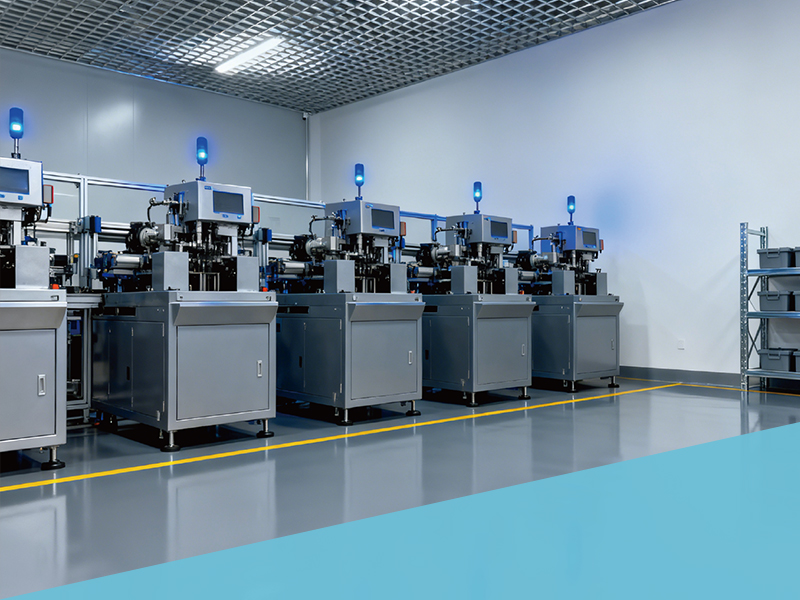
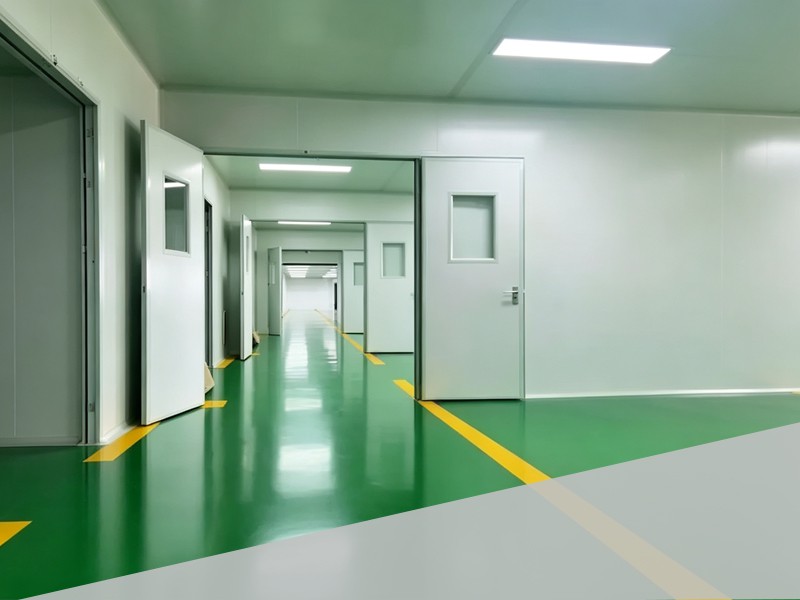
| Odorless Epoxy | 28-42 | Electronic Plants, Pharmaceutical Workshops | VOC Concentration During Construction < 2mg/m³ |
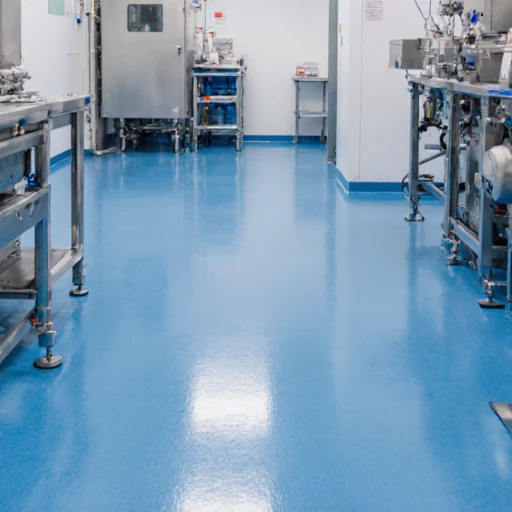
| Water-based Polyurethane | 18-35 | Food Processing, Schools, Hospitals | Bio-based Content ≥ 30% |
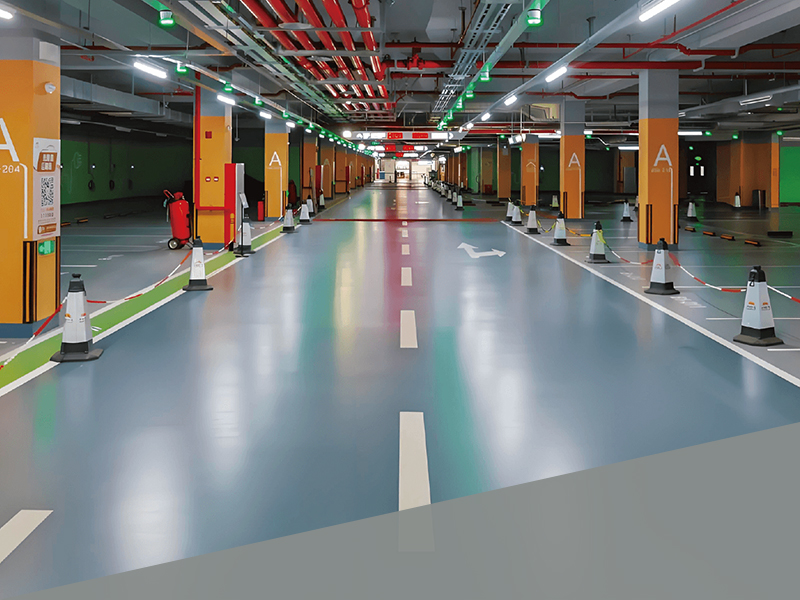
| Solvent-free Epoxy | 5-15 | Tunnels & Bridges, Heavy-duty Workshops | Near-Zero VOC Emissions |
| Artistic Flooring System | 32-48 | Commercial Spaces, Exhibition Halls | Achieved WELL Gold Certification |
A horizontal comparison of Simon's products with mainstream market products:
Comparison with Traditional Solvent-based:
VOC content is only 1/10 to 1/6 of traditional products.
Safety classification during construction is reduced from "Hazardous Chemical" to "General Chemical".
Ventilation costs are reduced by 60%, drying time is shortened by 30%.
Comparison with Ordinary Water-based Products:
At equivalent VOC levels, Simon's products show over 20% improvement in hardness and chemical resistance.
Coating lifespan is extended by about 40%, reducing renovation frequency and waste generation.
Economic Benefit Analysis:
For a 10,000 square meter factory building, choosing Simon's low-VOC flooring:
Reduces VOC emissions by approximately 2.5 tons (compared to traditional products).
Saves about 80,000 RMB in ventilation and protection costs.
Increases production value by about 150,000 RMB due to reduced downtime.
Qualifies for environmental subsidies of about 30,000-50,000 RMB in some regions.
Scenario-based Selection Guide:
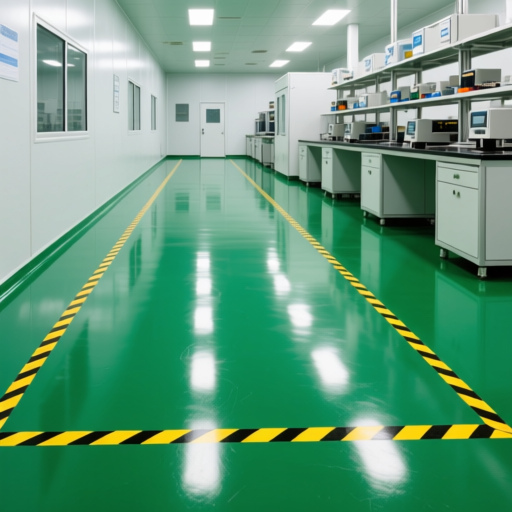
Stringent Environmental Requirements: Pharmaceutical, Food, Electronics industries → Choose Solvent-free or Water-based Polyurethane series.
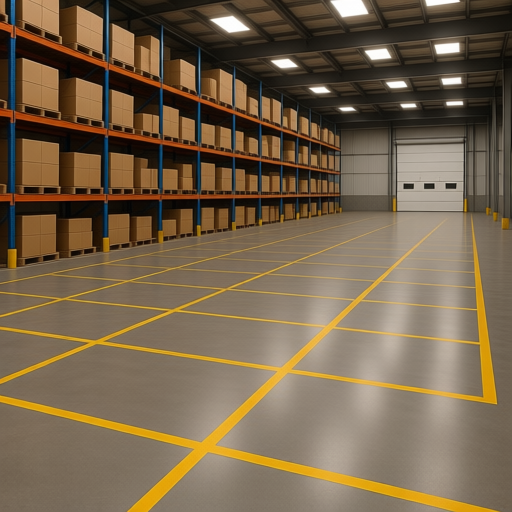
High Load-bearing Needs: Logistics Warehouses, Heavy Machinery → Choose High Solids Content Epoxy series (VOC ≤ 45 g/L).
Rapid Renovation Projects: Shopping Malls, Office Buildings → Choose Odorless Epoxy series, usable for light traffic 24 hours after application.
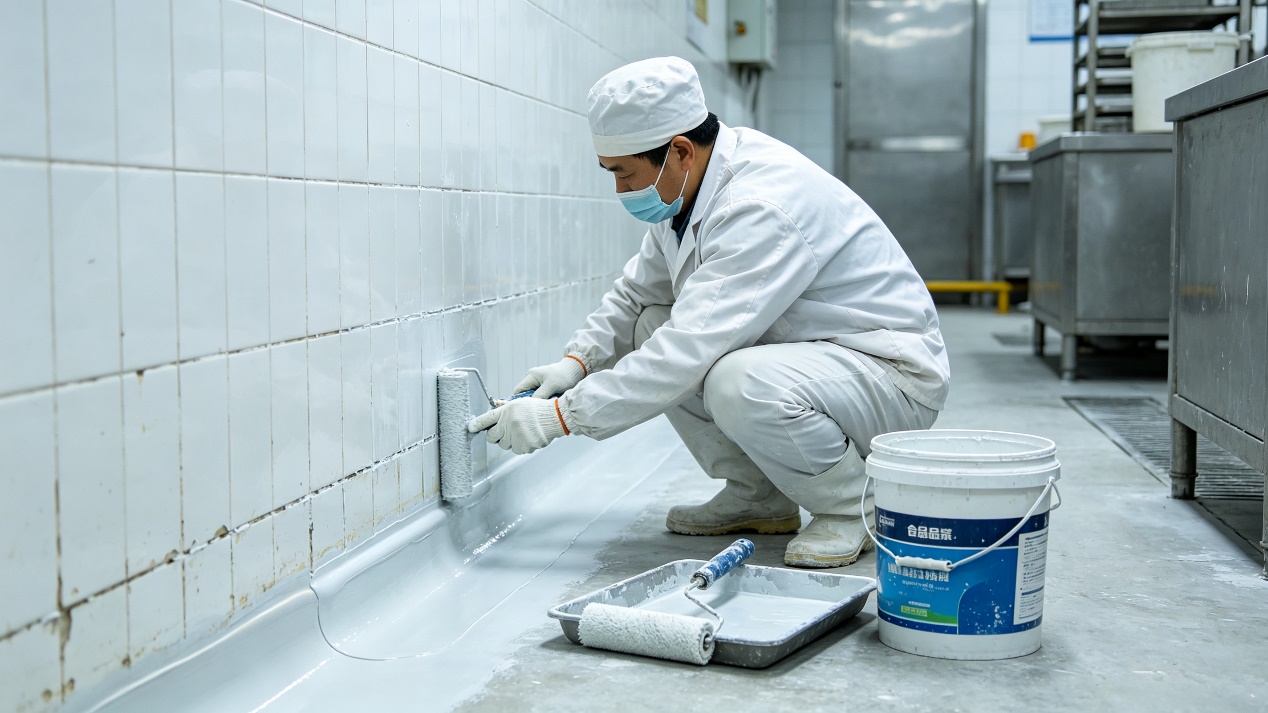
Simon's Environmental Construction Commitment:
Full-process Monitoring: Equipped with professional VOC detectors for real-time monitoring of the construction environment.
Waste Management: Provides paint bucket recycling services, compliant disposal of construction waste.
Health Guarantee: Provides professional protection for construction personnel and purchases specialized insurance.
Effect Verification: Provides third-party indoor air test reports upon project completion.
Choosing low-VOC flooring is a wise investment in employee health, environmental friendliness, and corporate sustainable development. Simon's full series of products with VOC ≤ 50 g/L not only represent a technical figure but also embody a systematic thinking that integrates environmental concepts throughout the entire product lifecycle from R&D, production, to construction. In the new era guided by the "Dual Carbon" goals, such products not only meet the strictest current environmental requirements but also win green competitiveness for businesses looking towards the future. The next time you choose flooring, remember: true environmental protection lies in the invisible technological innovations and the responsible commitment throughout the entire lifecycle.





 cn
cn