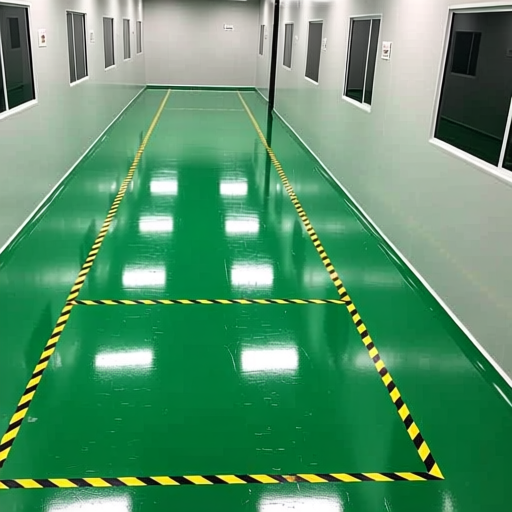
In the field of floor protection, a long-neglected truth is that over 70% of floor problems do not originate from the surface material itself but are determined by the compatibility, stability, and color performance of the various substrates underneath. Whether it's the concrete substrate of a new project, the renovation of old ceramic tile/terrazzo floors, or metal platforms in industrial environments, an "invisible war" between the substrate and the surface layer is constantly ongoing—blistering, discoloration, staining, accelerated aging... Addressing this core pain point, Simon Company has developed the Full Substrate Protection and Coloring System, composed of WPU-800 (High-Performance Primer) and WPU-810 (Multi-Functional Colored Mid-Coat), upgrading floor engineering from "surface covering" to "systematic regeneration."
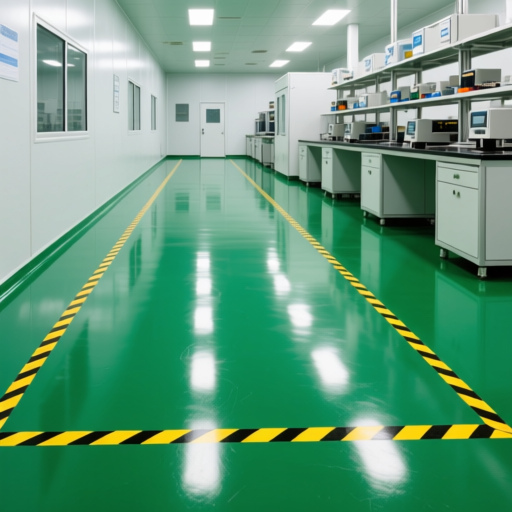
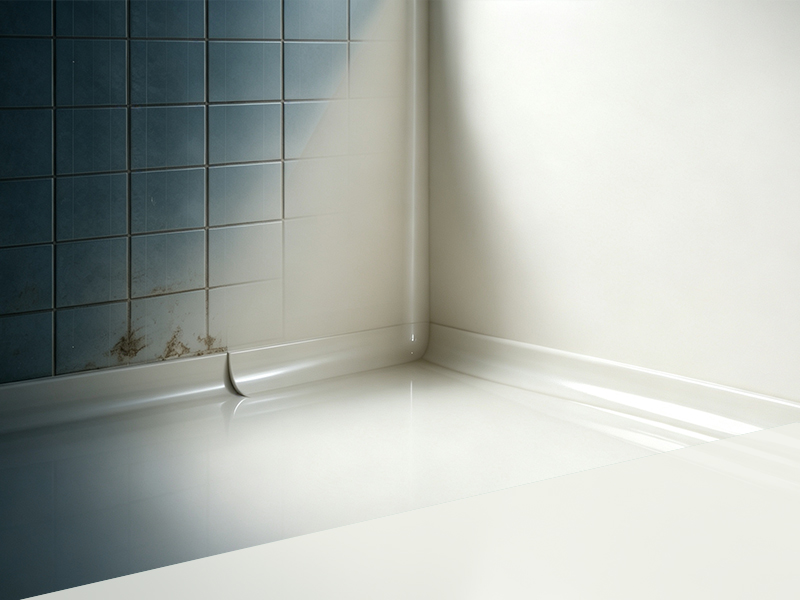
Before applying any surface material, the substrate itself harbors three major hidden dangers:
Porosity and Instability: Substrates like concrete and cement mortar have porosity rates as high as 10%-20%, making them prone to moisture absorption, dirt retention, and allowing internal chemicals (e.g., unreacted cement particles) to migrate continuously, damaging the surface layer.
Interface Compatibility Conflicts: Different substrates (e.g., concrete, tiles, metal) have varying surface energy, thermal expansion coefficients, and pH levels. Universal primers often fail to form lasting adhesion.
Color Interference and Aesthetic Limitations: Uneven base color or dark backgrounds can "bleed through," affecting the color purity of the surface layer and causing the final result to deviate from the design.
Traditional solutions often rely on a "one-coat-fits-all" approach or simple sealing, ignoring the complex nature of the substrate, which is the root cause of premature floor failure.
WPU-800 is not an ordinary primer; it is a low-viscosity, high-penetration, reactively modified polyurethane resin system. Its core value lies in the "inside-out reconstruction" of the substrate.
Technical Core Trio:
Nanoscale Penetration: With viscosity below 150 cps, it penetrates 3-5mm deep into substrate pores, forming an "anchoring effect" with internal mineral particles, transforming a loose surface into a solid whole. Tests show that the surface strength of the treated substrate increases by over 50%.
Chemical Reaction Bonding: The contained reactive silane groups form irreversible chemical bonds with hydroxyl groups in the substrate, creating a "resin-mineral" composite layer with a peel strength as high as 5 MPa (far exceeding the national standard requirement of ≥1.5 MPa).
Intelligent Breathing Function: After curing, it forms a microporous channel structure, allowing residual moisture vapor in the substrate to slowly escape in molecular form (vapor transmission rate ≥0.15mg/(m·h·Pa)) while blocking liquid water penetration, completely solving blistering problems caused by dampness.
Compatible Substrates and Construction Value:
New and Old Concrete Surfaces: Greatly improves substrate hardness and uniformity, providing a perfect "canvas" for the surface layer.
Ceramic Tile, Terrazzo Renovation: No need to demolish the old surface layer; direct penetration and bonding save over 60% in renovation costs and time.
Metal Platforms: Excellent rust prevention and adhesion, compatible with sandblasted or lightly rusted surfaces.
On the stable foundation created by WPU-800, WPU-810 shoulders a triple mission: color carrier, strength enhancement, and flatness control. It breaks the limitations of traditional coloring layers, which are "low strength, prone to fading, and functionally single."
Analysis of Technical Breakthroughs:
High-Solid Color Locking: Solid content ≥85%, using encapsulated inorganic pigments. Color units are firmly locked within the polyurethane network structure, with a UV resistance rating of 8 (the highest being 8). Color difference ΔE after ten years is<1.5>
Mechanical Design Combining Rigidity and Flexibility: Through hybrid technology of elastic polyurethane and rigid nano-fillers, the coating achieves both compressive strength (≥65 MPa) and flexibility (elongation at break ≥15%), effectively resisting thermal stress and minor substrate movement.
Self-Leveling and Thickness Control: Unique rheological design allows it to self-level during application while enabling a one-pass application of 1-3mm thickness, perfectly correcting substrate irregularities, achieving "coloring while leveling."
Aesthetic and Functional Expansion:
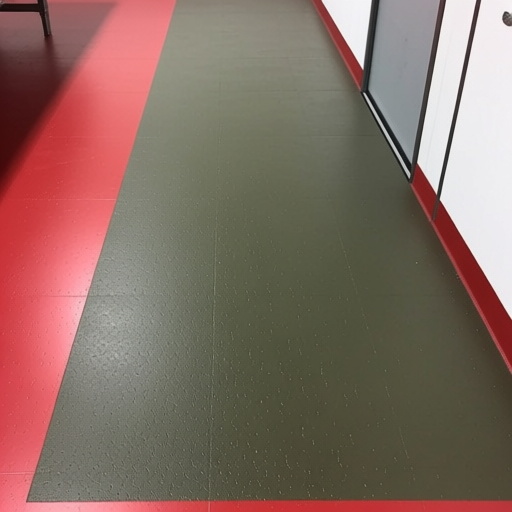
Accurate Realization of Any Color: Offers PANTONE® color system customization to meet stringent brand color requirements for commercial spaces.
Creating Special Effects: Can achieve advanced textures like stone imitation, matte, and satin finishes through aggregate addition or variation in application techniques.
A Connecting Functional Layer: Serves as both a sturdy substrate and a perfect base for topcoats, with excellent compatibility with epoxy and polyurethane finishes.
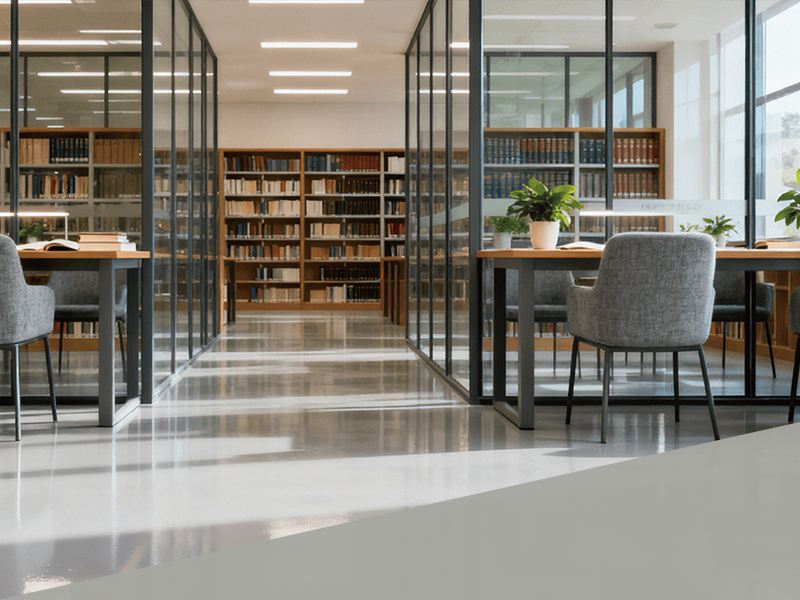
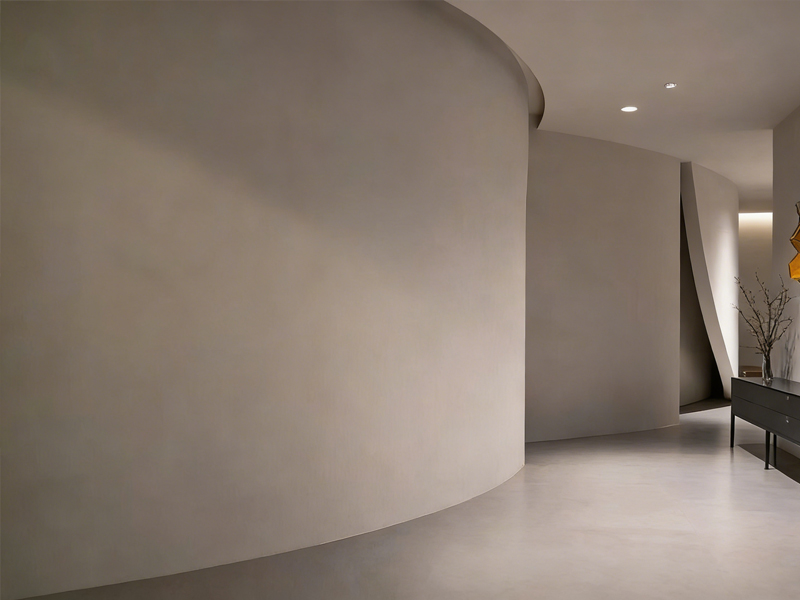
Scenario 1: High-End Commercial Space (Malls, Showrooms) Renovation
Challenge: Old ceramic tile floors are dated, cold, slippery, and require quick renovation without disrupting business.
Solution: Surface cleaning → WPU-800 penetration reinforcement → WPU-810 (custom brand color + anti-slip aggregate) coloring and leveling → polyurethane ultra-wear-resistant topcoat.
Value: Completion in 7 days, renewed color, anti-slip rating R10 or above, service life extended by 10 years.
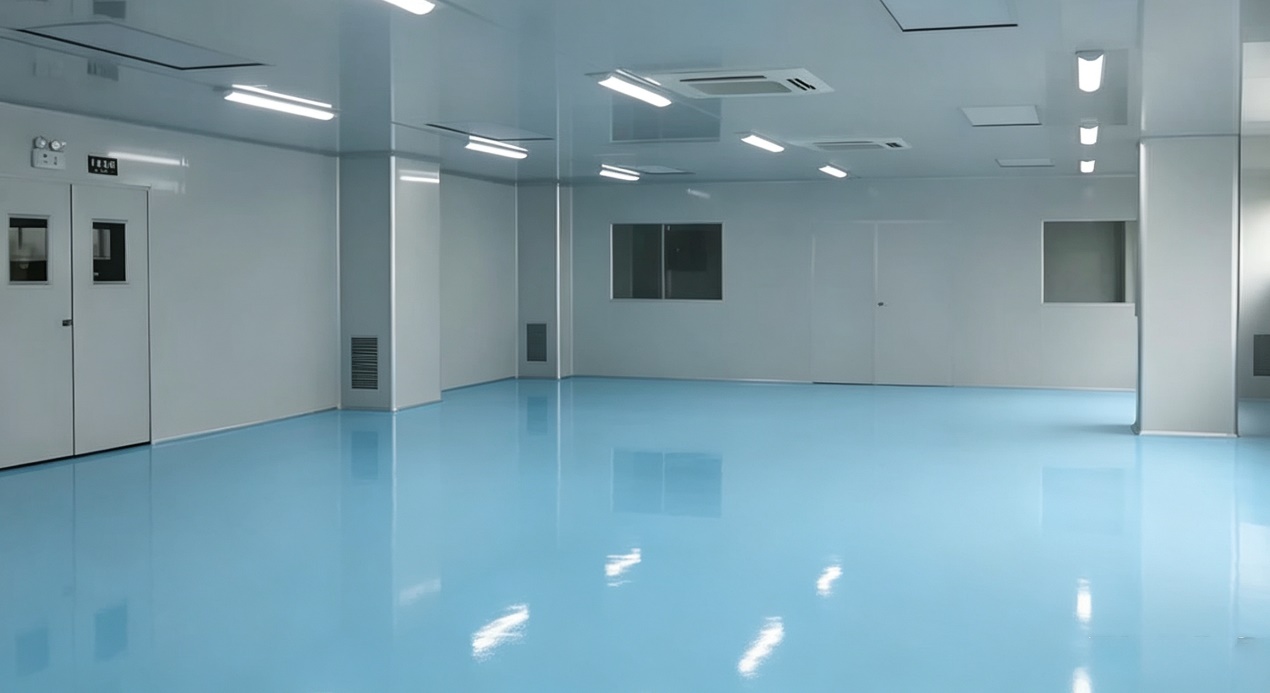
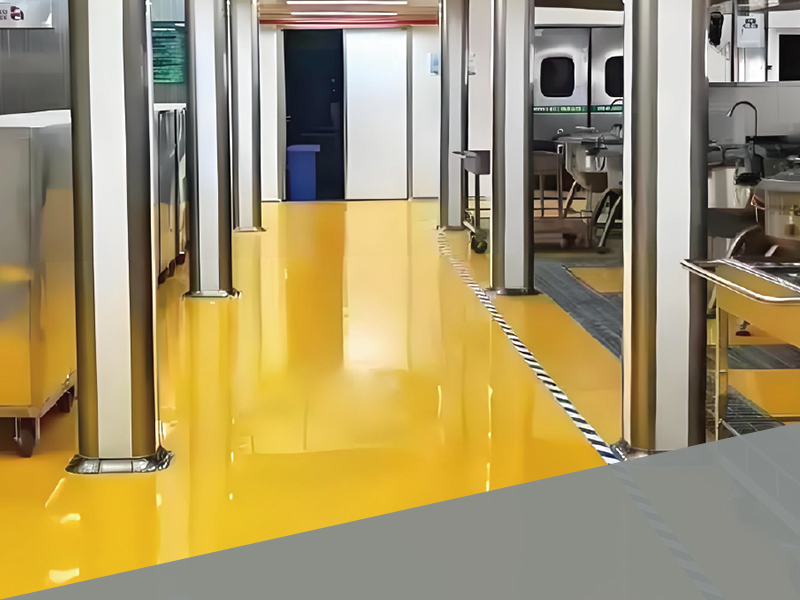
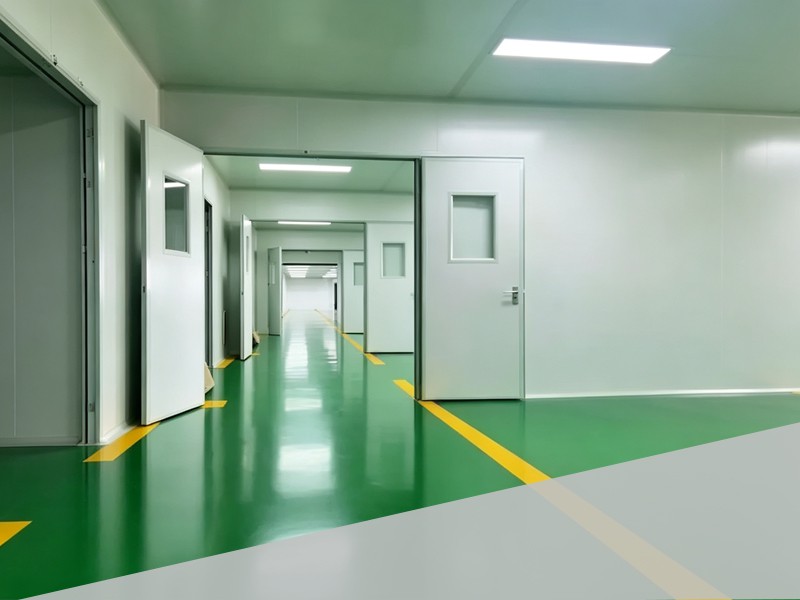
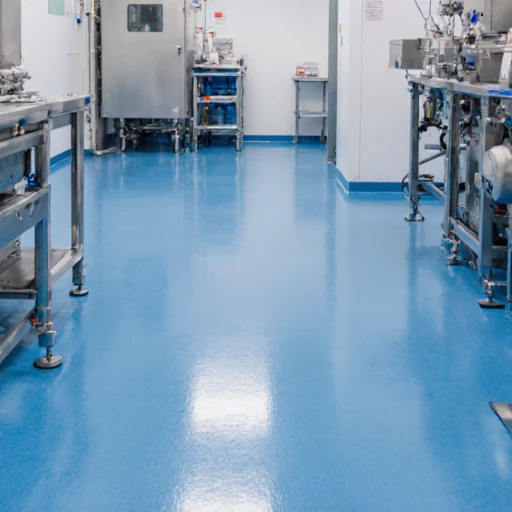
Scenario 2: Food Factory Cleanroom Renovation
Challenge: Old concrete floors are dusty, cracked, difficult to clean thoroughly, and need to comply with HACCP certification.
Solution: Surface shot blasting → WPU-800 deep sealing (prevents bacterial growth in pores) → WPU-810 (light color for easy stain detection) application → polyurethane mortar top layer.
Value: Achieves a seamless, corrosion-resistant, easy-to-clean hygienic surface and passes antibacterial certification.
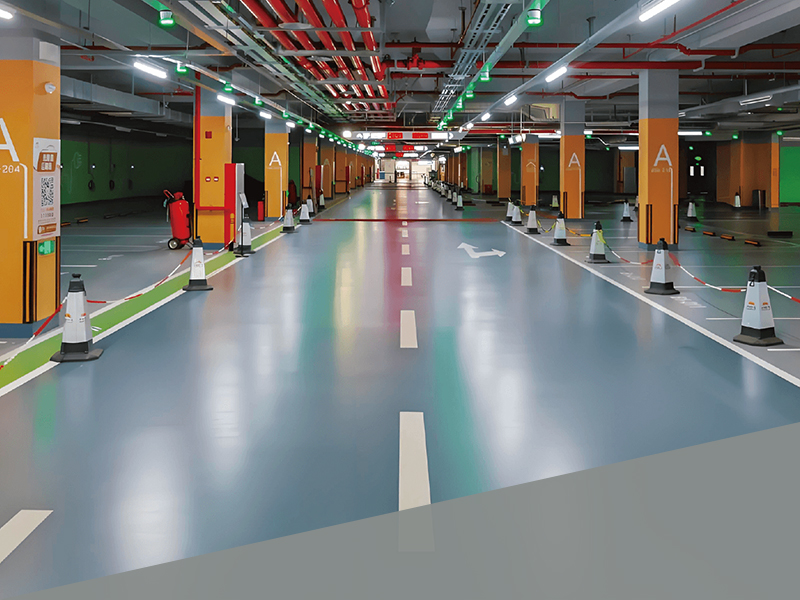
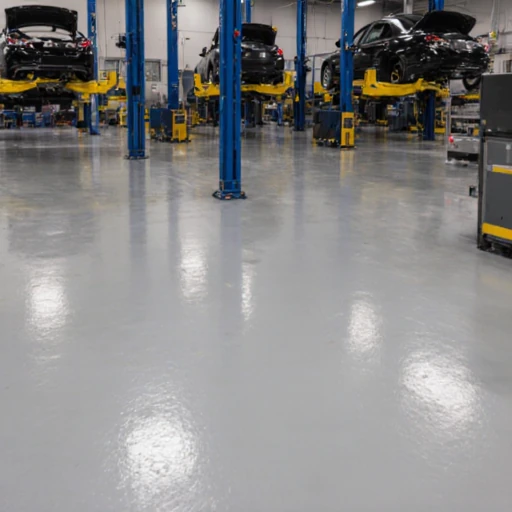
Scenario 3: Ultra-Wear-Resistant Flooring for Underground Parking Garages
Challenge: Uneven strength of concrete substrate; traditional thin epoxy coatings wear easily, exposing the base.
Solution: Surface grinding → WPU-800 strengthening → WPU-810 (with silicon carbide aggregate) 2mm trowel application (forming an ultra-wear-resistant middle layer) → line marking completion.
Value: Middle layer Mohs hardness reaches 7, comparable to quartz, wear resistance improves 3-fold, completely eliminating base exposure.
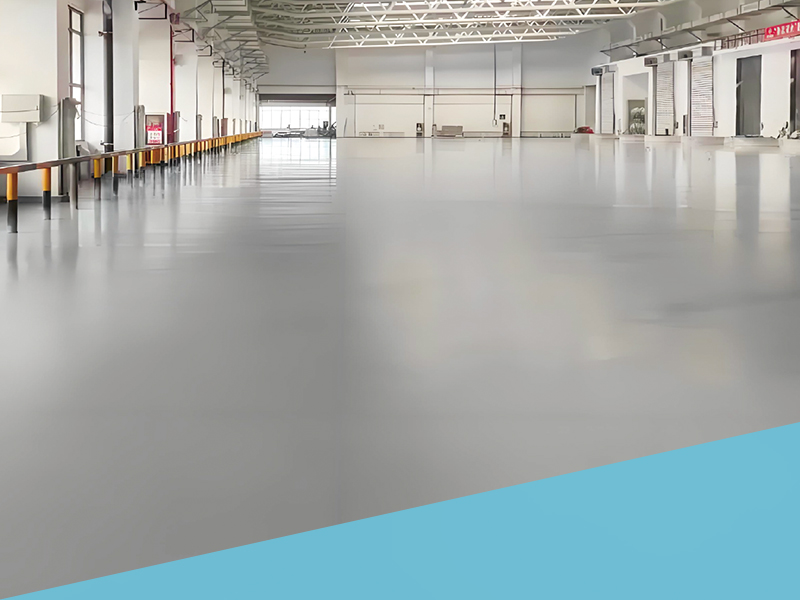
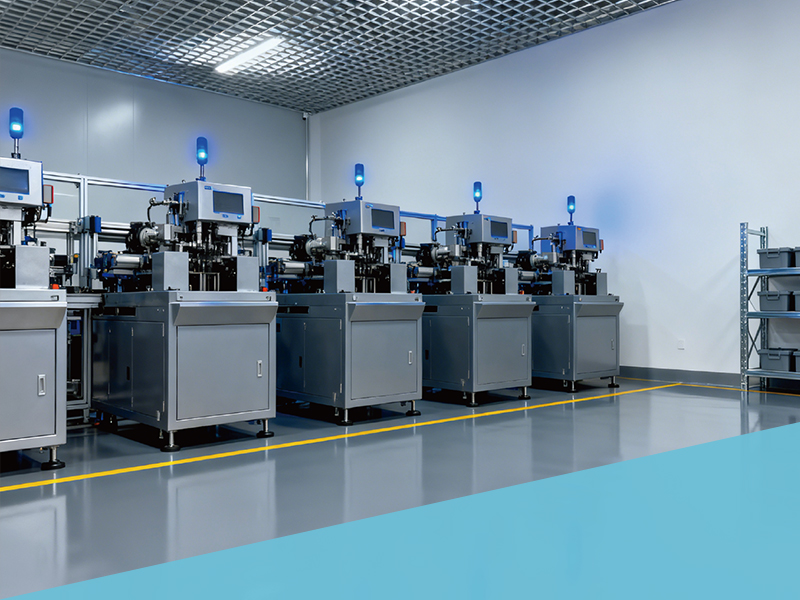
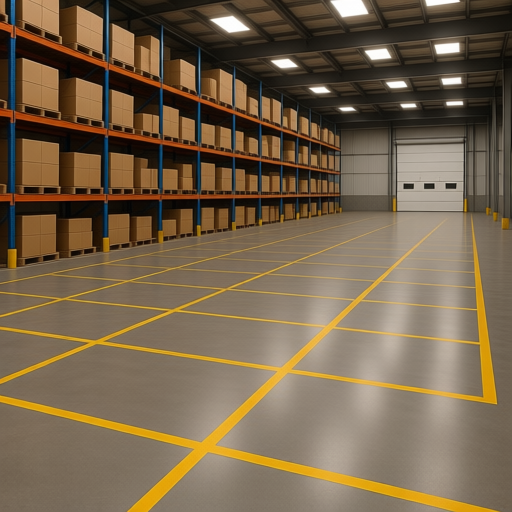
Scenario 4: Industrial Platform Anti-Corrosion Protection
Challenge: Steel platforms have rust issues, requiring anti-corrosion, wear resistance, and identification of different functional zones.
Solution: Sandblasting to Sa2.5 grade → WPU-800 primer (with rust conversion function) → WPU-810 application (different colors for walkways, work areas, storage areas).
Value: Solves rust prevention, coloring, and zoning guidance in one step, extending maintenance cycle to over 8 years.
Taking a 10,000㎡ industrial flooring project as an example, comparing the traditional solution with the WPU system solution:
| Cost Item | Traditional Thin Epoxy Coating (Repair every 3 years) | WPU-800/810 + Polyurethane Mortar (15-year lifespan) |
|---|---|---|
| Initial Material & Construction | 120 RMB/㎡ | 280 RMB/㎡ |
| Number of Repairs in 10 Years | 3 times (Years 3, 6, 9) | 1 time (Preventive maintenance, Year 10) |
| Cumulative Repair Cost | 3 times × 80 RMB/㎡ = 240 RMB/㎡ | 1 time × 50 RMB/㎡ = 50 RMB/㎡ |
| Production Downtime Loss (7 days each time) | 3 times × (assuming daily production value loss of 100,000 RMB) = 2.1 million RMB | None |
| Total Cost of Ownership over 10 Years | 120 + 240 = 360 RMB/㎡ + 2.1 million RMB downtime loss | 280 + 50 = 330 RMB/㎡ |
Conclusion: Although the WPU system requires a higher initial investment, its extremely long maintenance-free period and zero interference with production mean that over a 10-year timeframe, the total cost is significantly lower than traditional solutions requiring frequent repairs, while also avoiding the huge hidden losses associated with production downtime.
Initial Substrate Diagnosis First: Use tools like moisture meters and pull-off testers to quantify substrate conditions and develop a targeted treatment plan.
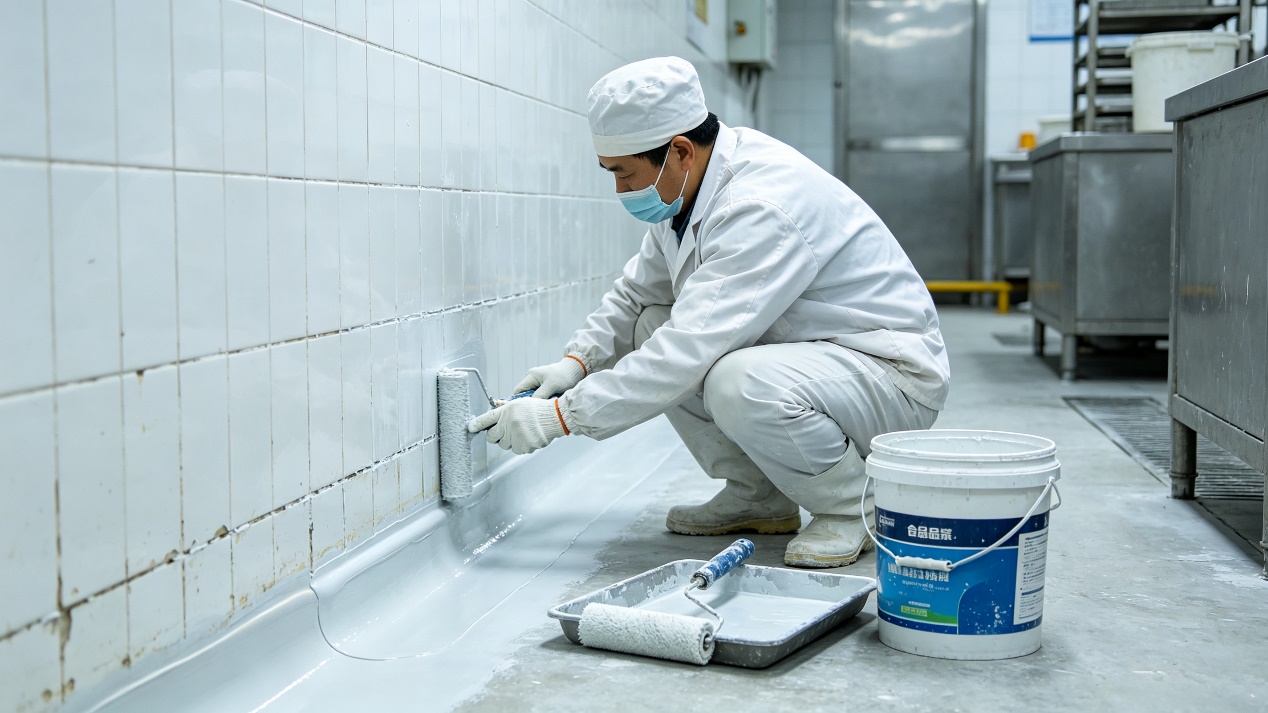
WPU-800 Application: Ensure the substrate is clean and dry (moisture content < 8%), and use rollers or sprayers to guarantee sufficient penetration (0.2-0.3 kg/㎡).
WPU-810 Application: Apply the trowel coat after the primer is surface dry (typically 2-4 hours) to ensure optimal interlayer chemical bonding. Recommended ambient temperature is 15-30°C.
System Integrity: It is essential to follow the complete system: "WPU-800 primer + WPU-810 mid-coat + specified topcoat." Do not mix products from different brands to avoid interface compatibility issues.
WPU-800 and WPU-810 represent a paradigm shift in floor protection thinking—from passive reaction to surface problems to proactive management of the root causes in the substrate and aesthetic重塑 (re-creation). They are not simple coatings but regenerative systems that give new and old substrates a "second life." In an era where building lifecycle considerations are increasingly important, investing in such a solution that addresses the root cause while balancing extreme durability and visual aesthetics is undoubtedly the wisest choice for the future. Because what it protects is not just the floor, but the value, safety, and infinite possibilities it carries.


 cn
cn