In industrial flooring and commercial space construction, epoxy self-leveling and polyurethane mortar are two of the most commonly used high-performance flooring materials. Behind seemingly similar functionalities lie vastly different material properties, applicable scenarios, and long-term performance. Choosing incorrectly not only leads to wasted investment but can also cause various issues during use—from frequent repairs to disruptions in normal operations. This article will clearly analyze the core differences between the two and provide an accurate industry selection guide.
Epoxy Self-Leveling:
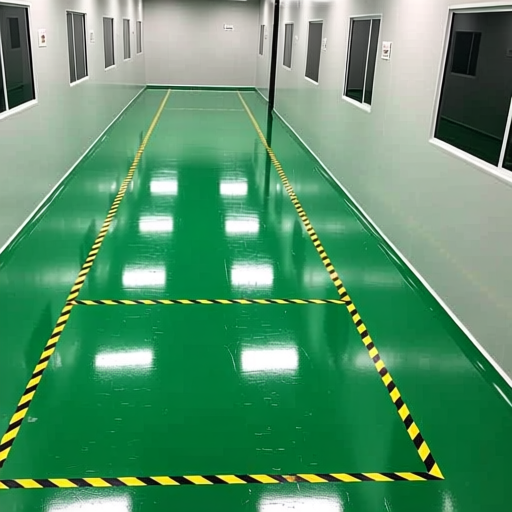
Primarily composed of epoxy resin as the main film-forming substance, it forms a high-strength coating through the addition of curing agents, leveling agents, etc. Its most notable feature is its ability to self-level, creating a mirror-smooth surface. However, epoxy resin is inherently a rigid material, offering high hardness but limited flexibility.
Polyurethane Mortar:
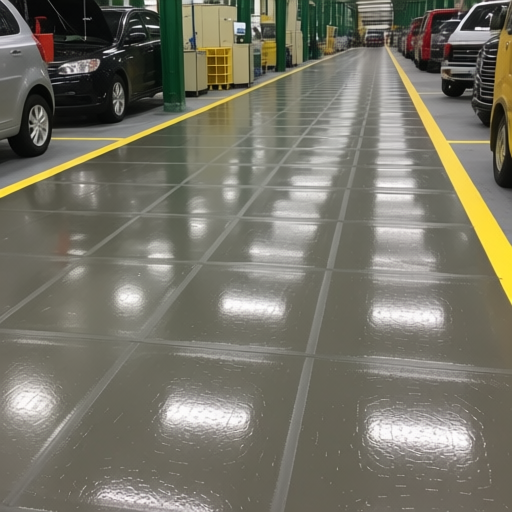
An elastic system composed of polyurethane resin combined with specially graded mineral aggregates (mortar). It integrates the flexibility of organic materials with the strength of inorganic materials, forming a "rigid-yet-flexible" structure.
| Comparison Dimension | Epoxy Self-Leveling | Polyurethane Mortar | Selection Insight |
|---|---|---|---|
| Mechanical Properties | High hardness (Shore D ≥75), high compressive strength (≥80 MPa), but moderate impact resistance and flexibility | Excellent elasticity (can withstand minor substrate cracking), superior impact resistance, sufficient compressive strength (≥60 MPa) | Choose epoxy for heavy static loads, polyurethane for heavy dynamic loads |
| Temperature Resistance | Heat resistance ~60-80°C, becomes brittle at low temperatures (flexibility drops sharply below 0°C) | Heat resistance up to 120°C, low-temperature resistant (remains elastic at -40°C) | Essential choice for cold storage and high-temperature workshops |
| Chemical Resistance | Excellent acid and alkali resistance (particularly alkali), but poor resistance to strong oxidizing acids and some organic solvents | Comprehensive and balanced acid and alkali resistance, especially resistant to food-grade acids/bases and oils | Chemical workshops require case-by-case analysis; food industry prefers polyurethane |
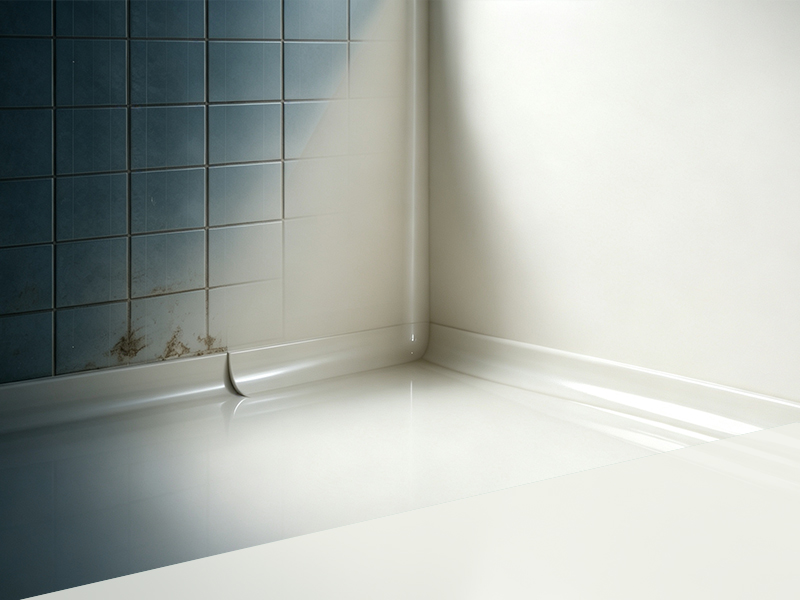
| Environmental & Hygiene | Solvent-free types are eco-friendly, but smooth surfaces are prone to static buildup and do not inhibit bacteria | Can be formulated as zero VOC, static dissipative, excellent antibacterial properties, easy to clean and disinfect | Pharmaceutical, electronics, and food industries prioritize polyurethane |
| Moisture Sensitivity | Sensitive to substrate moisture content (requires<8%), prone="" to="" blistering="" from="" moisture="" vapor=""> | Tolerant of high-humidity environments and substrate dampness (substrate moisture content can be relaxed to<12%)> | Choose polyurethane for damp environments like underground garages or older factories |
| Application & Repair | High requirements for substrate flatness and integrity; repairs after damage may show color differences | Lower requirements for substrate flatness; relatively easy to repair with minimal color difference | Choose polyurethane for poor substrate conditions or scenarios expecting local repairs |
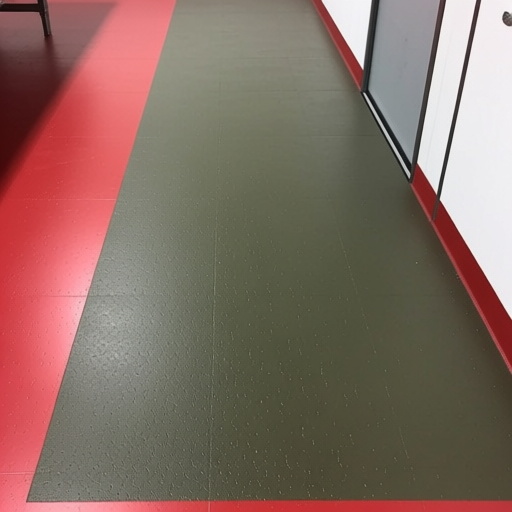
| User Experience | Mirror-like finish is aesthetically pleasing; walking noise is higher; hard underfoot feel | Matte or slight texture; comfortable and quiet to walk on; soft underfoot feel | Choose polyurethane for office and commercial spaces prioritizing user experience |
| Overall Cost | Low to medium material cost, but high requirements for substrate preparation; medium overall project cost | Higher material cost, but lower requirements for substrate preparation; medium to high overall project cost | Requires full lifecycle cost accounting, not just material unit price |
Scenarios Preferring Epoxy Self-Leveling:
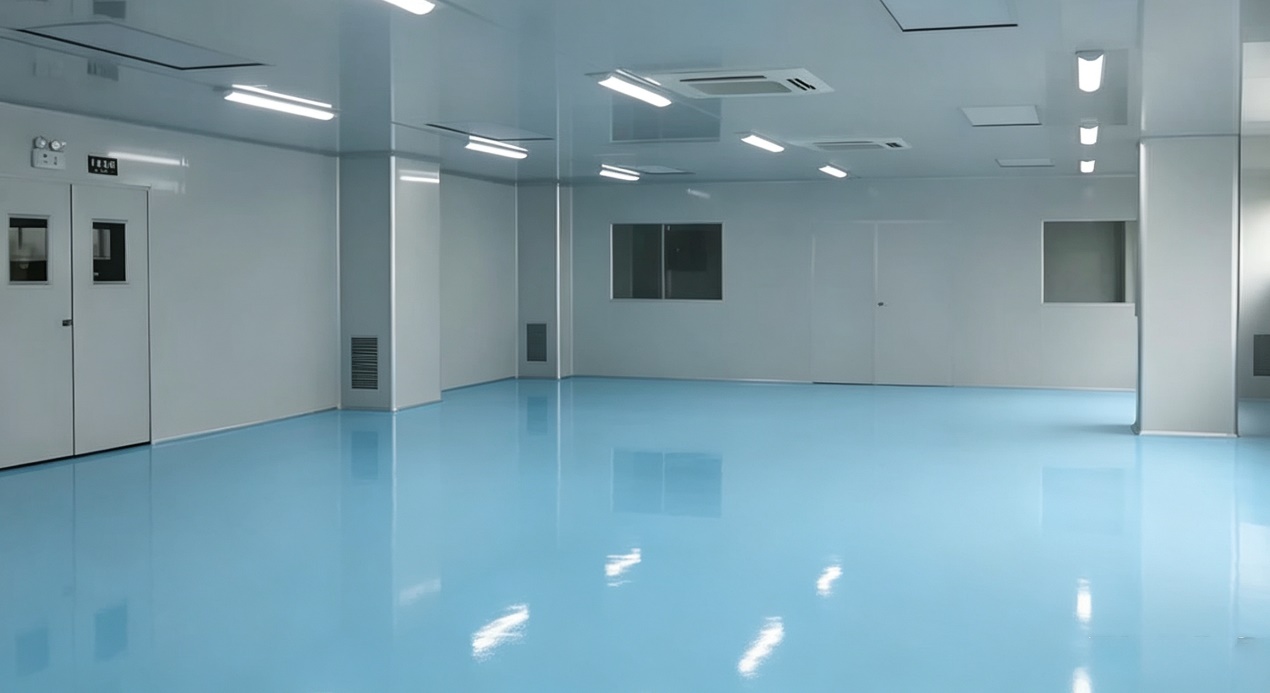
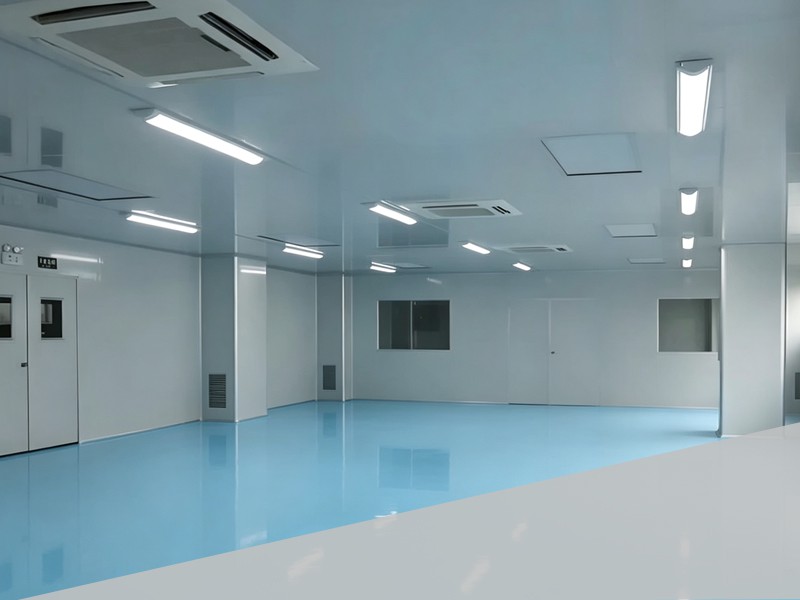
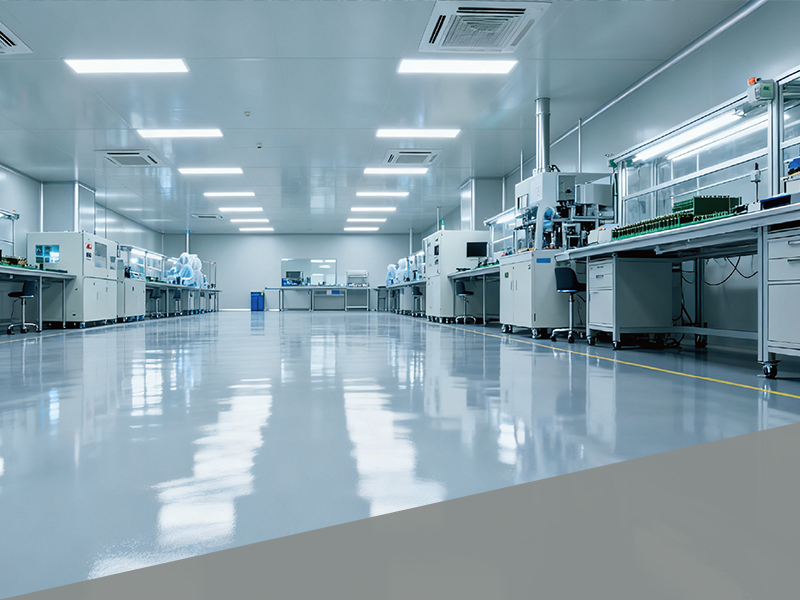
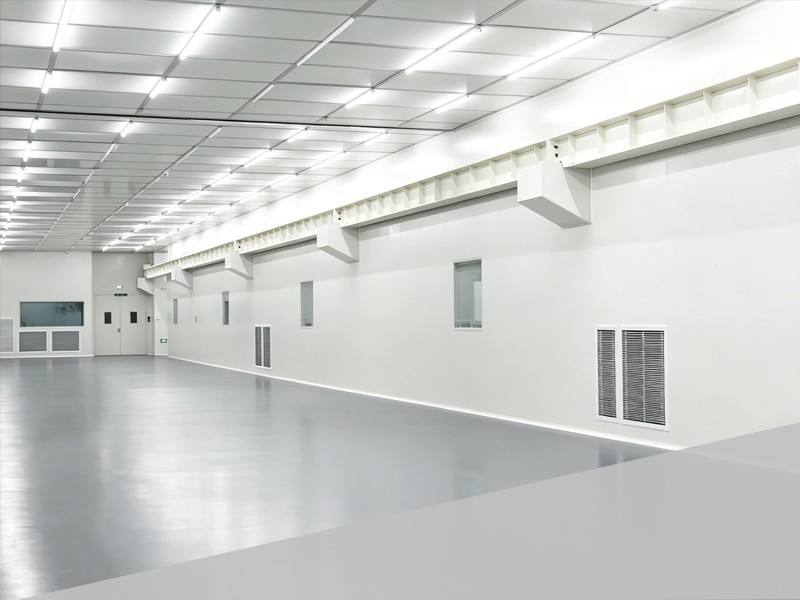
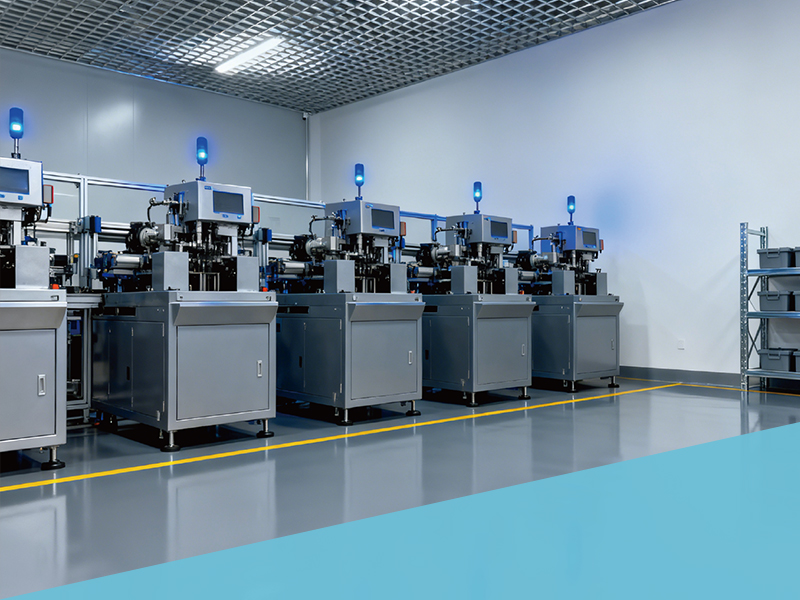
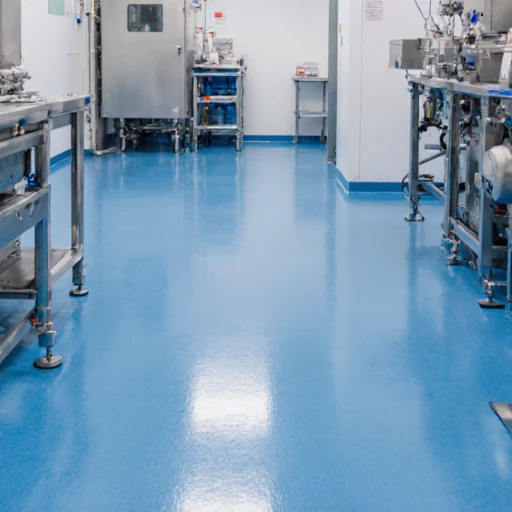
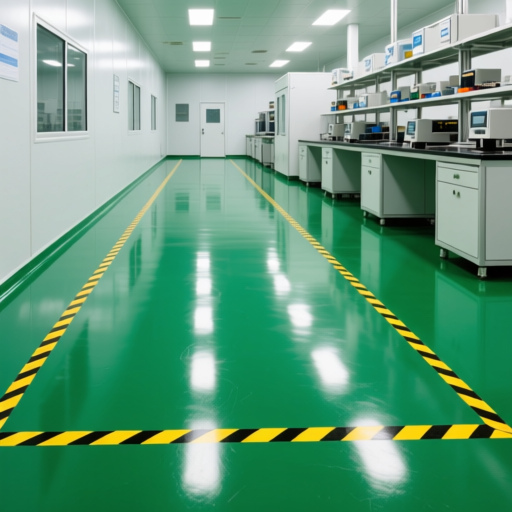
Electronics and Microelectronics Facilities: Require extremely high cleanliness (mirror finish reduces dust accumulation), dust resistance, and resistance to moderate chemicals. Epoxy's dense, smooth surface is the traditional choice.
Light Industrial Assembly Workshops: Primarily involve static storage and light assembly, with no heavy impact or extreme temperature changes. Epoxy's cost-effectiveness and aesthetics are advantageous.
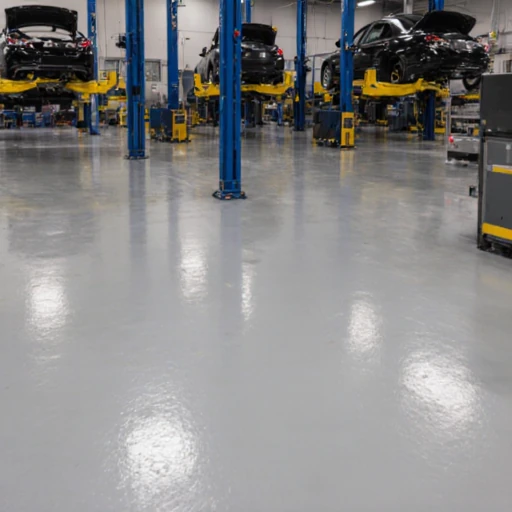
Display Spaces with High Aesthetic Requirements: Such as automotive showrooms, high-end retail stores (non-food areas), requiring mirror-like gloss and a wide range of color options.
New Construction Projects with Excellent Substrate Quality: Concrete substrate is dry, level, and solid, allowing epoxy's performance to be fully realized while controlling costs.
Scenarios Preferring Polyurethane Mortar:
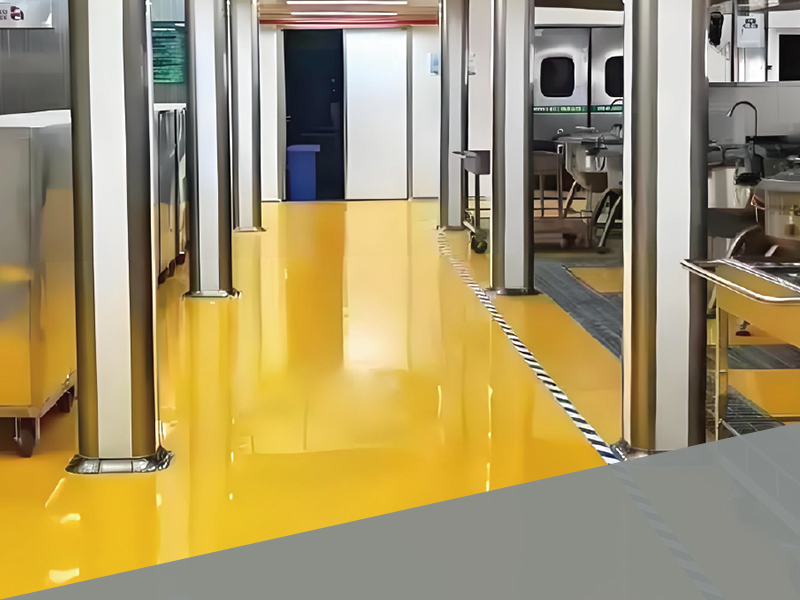
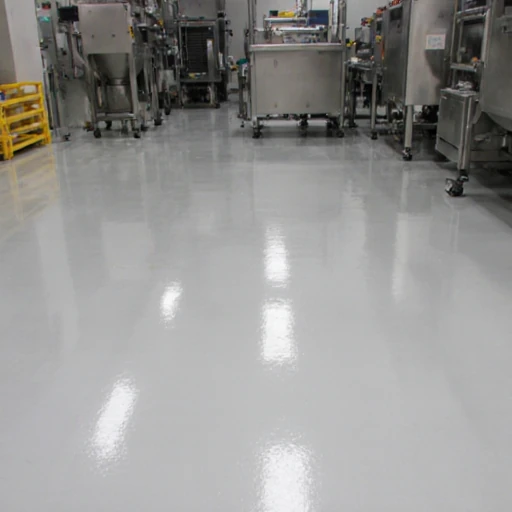
Food, Beverage, and Slaughter Processing Plants: Must withstand daily high-pressure hot water washing, steam cleaning, food-grade acids/bases, and oils, while also requiring slip resistance and antibacterial properties. This is polyurethane's "domain."
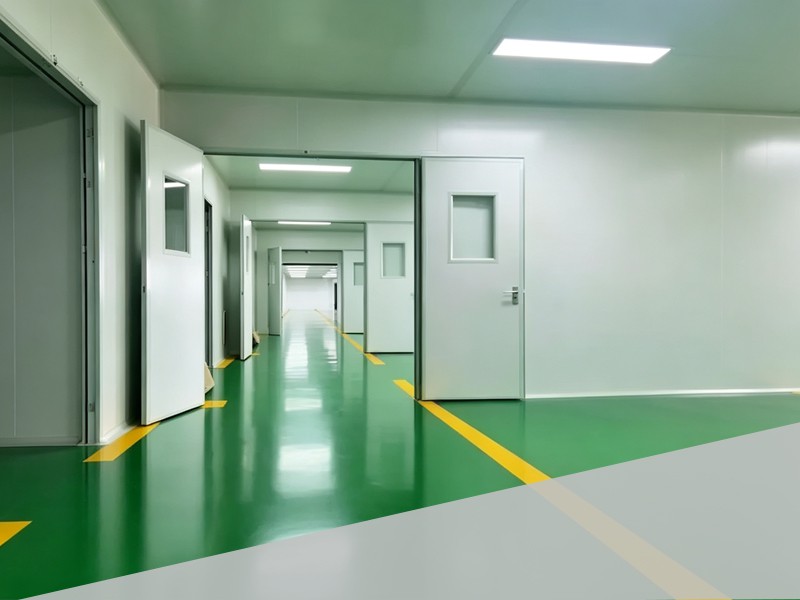
Pharmaceutical and Biologics Production Areas: Meet GMP certification requirements for sterile environments, needing antibacterial, mold-resistant properties, and tolerance to repeated cleaning with chemical disinfectants.
Cold Chain Logistics Centers and Cold Storage: Must remain crack-free and non-delaminating under drastic temperature changes from -25°C to ambient. Epoxy becomes brittle and fails easily in such environments.
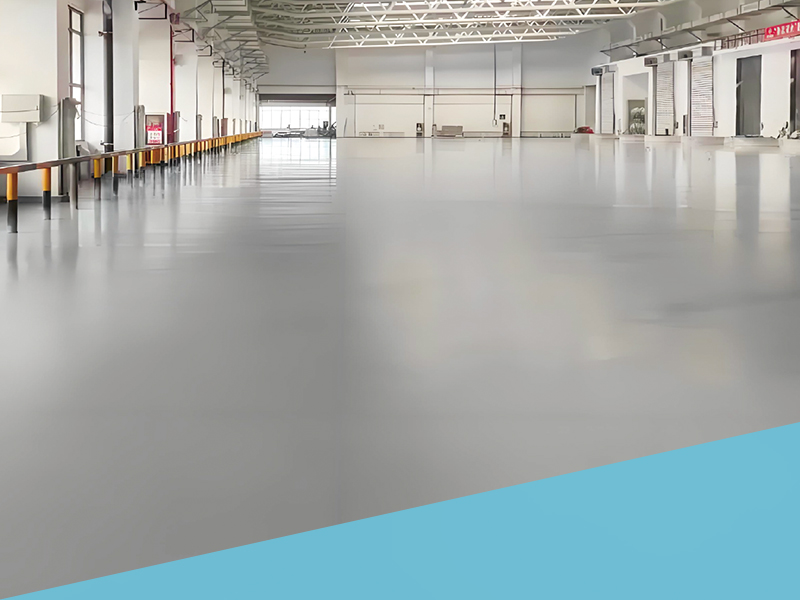
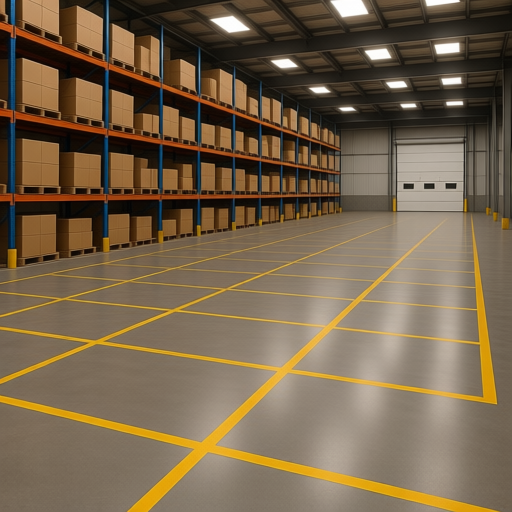
Heavy Machinery and Logistics Forklift Aisles: Endure continuous heavy impact, metal wheel compaction, and hot tire shear. Polyurethane's elasticity and fatigue resistance are superior.
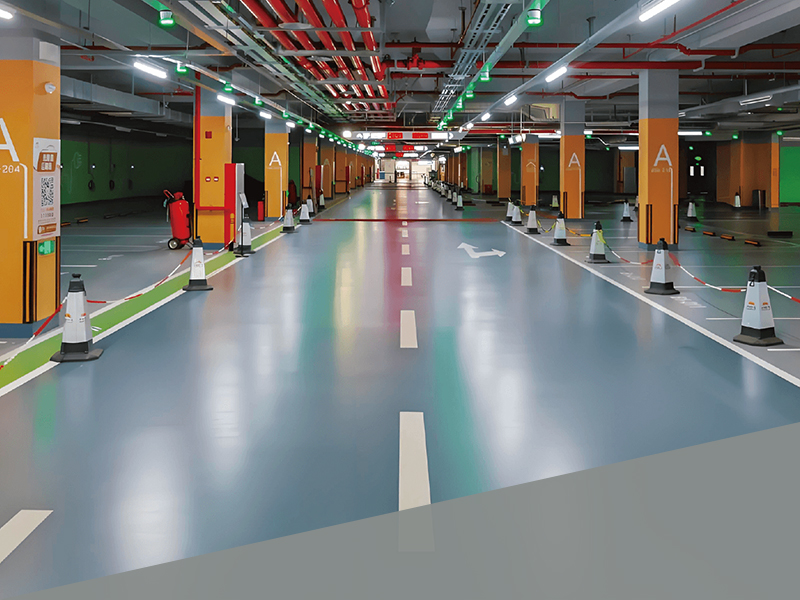
Old Factory Renovations and Underground Garages: Substrate may have issues with dampness, minor cracks, or uneven strength. Polyurethane's high tolerance and elasticity can handle these challenges.
Commercial Spaces Requiring Quiet and Comfort: Such as high-end offices, libraries, hospital corridors, where its noise reduction and soft underfoot feel enhance environmental quality.
"Gray Areas" Requiring Case-by-Case Analysis:
Chemical Workshops: Requires specific analysis of chemical types involved. Epoxy is stronger against alkali; polyurethane is more comprehensive against acids and solvents. Chemical resistance panel testing is recommended.
Mildly Wet Areas: If only occasionally damp, a high-spec epoxy moisture barrier system might suffice; if persistently damp or substrate moisture is unstable, polyurethane is more reliable.
When facing a specific project, it is recommended to follow this decision-making path:
Define Core Requirements: List the top three most important performance requirements (e.g., impact resistance, resistance to -20°C, daily acid/alkali cleaning).
Assess On-Site Conditions: Test the base concrete's strength, moisture content, flatness, and the temperature/humidity range of the future use environment.
Initial Screening by Elimination: Use the comparison table above to eliminate materials that cannot meet hard constraints (e.g., low temperature for cold storage).
Full Lifecycle Cost Calculation: Calculate the total cost over 8-10 years, including: initial construction cost, expected maintenance/repair costs, and losses from production downtime for repairs.
Supplier Capability Verification: Evaluate if the supplier has successful cases in similar industries and can provide targeted solutions (not just sell materials).
Epoxy self-leveling and polyurethane mortar are not simply about "which one is better," but "which one is more suitable." Epoxy is the "robust guardian," providing a solid, aesthetically pleasing, and cost-effective solution under suitable conditions; polyurethane is the "flexible adaptor," demonstrating unparalleled reliability and durability under extreme and complex conditions.
As industrial development demands higher standards for flooring—stricter hygiene requirements, more extreme temperature environments, and more frequent physical impacts—the application scope of polyurethane mortar is rapidly expanding. For decision-makers, moving beyond the "price per square meter" mindset and comprehensively evaluating from the perspectives of full lifecycle cost, production safety assurance, and operational efficiency improvement is key to making the wisest and most economical choice. A correct selection is the beginning of the investment and the guarantee for a decade of worry-free use.



 cn
cn