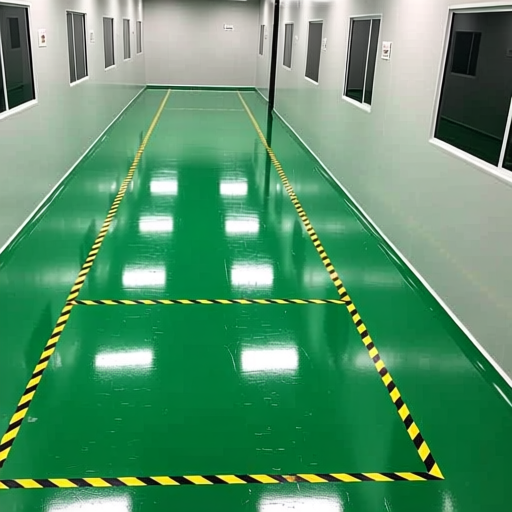
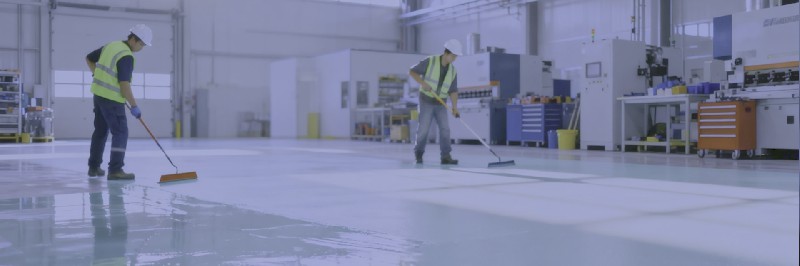
In a food and beverage workshop, a barrel of concentrated acid accidentally spills on the floor; in a cold chain logistics warehouse, forklifts shuttle frequently between the -20°C icy surface and room-temperature zones; in the clean areas of biopharmaceutical facilities, high-pressure water guns wash daily, and steam high-temperature sterilization cycles endlessly—these extreme environments were once the exclusive stage for imported high-end industrial flooring. However, a Chinese solution with "4C" as its core concept is quietly changing this landscape, becoming the preferred choice for demanding industrial scenarios.
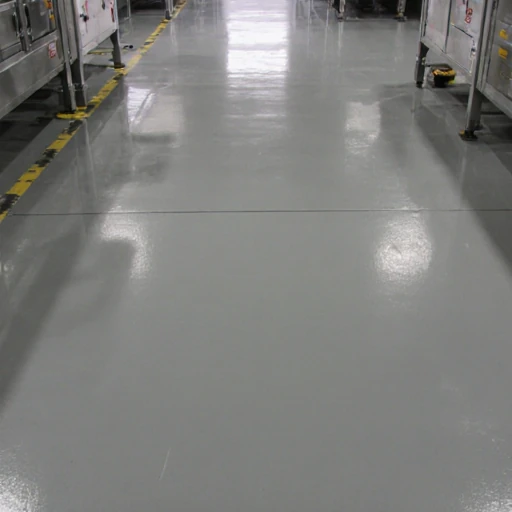
Traditional flooring materials often face the dilemma of the "impossible trinity" in extreme environments: it is difficult to achieve chemical corrosion resistance, extreme temperature stability, and physical mechanical properties all at once. Epoxy floors fear sharp impacts and sudden temperature changes, acrylic floors struggle against chemical erosion, and ordinary concrete floors are porous and prone to permeation. In the past, what could partially meet these demands were mostly expensive imported polyurethane systems from Europe and America.
However, imported materials have inherent shortcomings: their formulations are based on common operating conditions in their home countries, which may not fully align with China's complex industrial environment; supply chains are long, leading to slow response times; and the high purchase price and subsequent maintenance costs deter many enterprises. The market calls for a more suitable, tougher, and more cost-effective solution.
The so-called "4C system" is not a simple combination of materials but a systematic, top-level design philosophy for the performance of polyurethane mortar self-leveling. It focuses on four key dimensions, achieving a synergistic leap in performance:
1. Outstanding Chemical Resistance
This is the first line of defense against acid, alkali, and salt erosion. The 4C system uses selected polyurethane resins and specially graded aggregates to form a highly dense, chemically inert surface. The key lies not only in resisting common acids and alkalis but also in providing long-term resistance to organic acids, fatty acids, syrups, cleaning and disinfecting agents, and other media specific to the food and chemical industries. This prevents the floor from softening, dissolving, or discoloring, offering a service life several times that of ordinary materials.
2. Exceptional Stability Across Extreme Temperature Ranges
From the -40°C of deep cold chain to the 120°C of short-term steam washing, drastic temperature fluctuations are the culprits behind floor cracking and delamination. The core advantage of the 4C system lies in its unique "elastomer" characteristics. Polyurethane material inherently possesses excellent flexibility and thermoplasticity. Through molecular structure design and crystallization control, the 4C system further widens its effective operating temperature window. Its thermal expansion coefficient is closer to that of the concrete substrate, allowing it to expand and contract synchronously with the substrate during sudden temperature changes, thereby avoiding delamination and cracking caused by stress concentration.
3. Superior Crack Resistance and Toughness
Traditional rigid materials are brittle and prone to cracking, while flexible materials often lack strength. The 4C system achieves "a balance of rigidity and flexibility" through innovative "organic-inorganic hybrid" technology. Hard quartz aggregates provide the skeleton and compressive strength (up to 50 MPa or higher), while the polyurethane matrix acts like countless high-strength elastic connectors, firmly encapsulating the aggregates and imparting excellent overall toughness. When micro-cracks appear in the substrate or upon impact, this structure can absorb energy through micro-deformation, preventing cracks from propagating upwards, and possesses excellent "crack bridging" capability.
4. Ease of Cleaning and Hygiene Standards
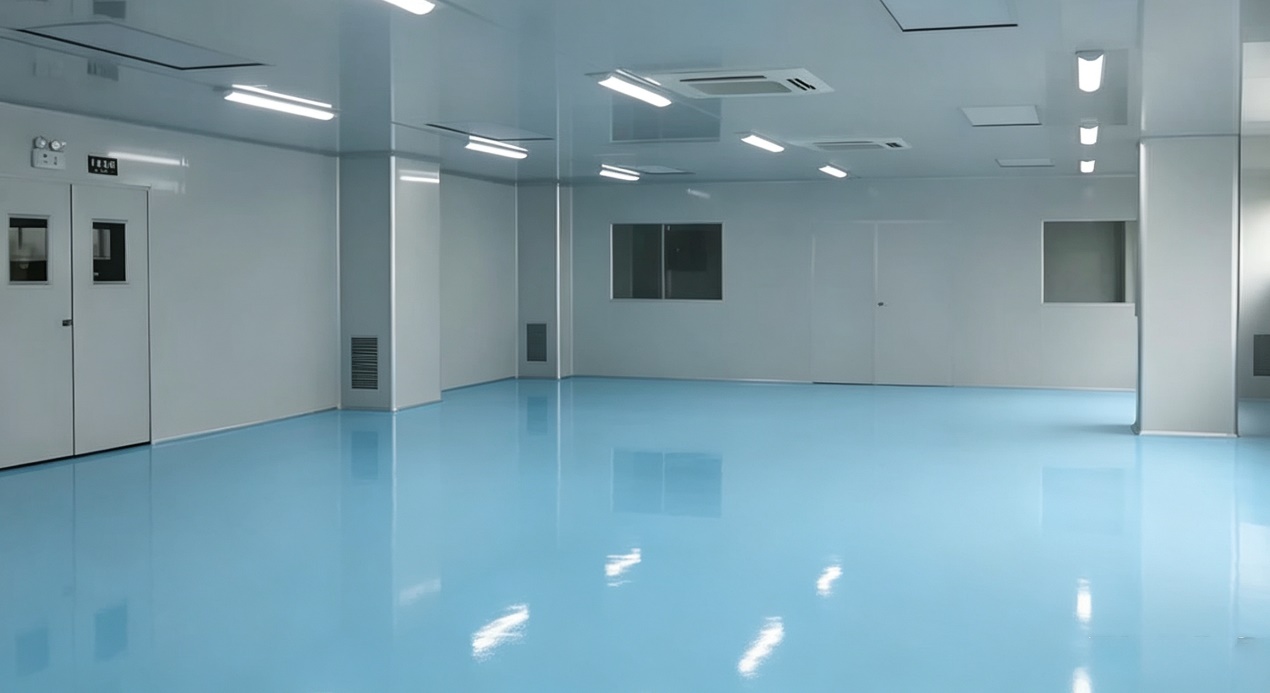
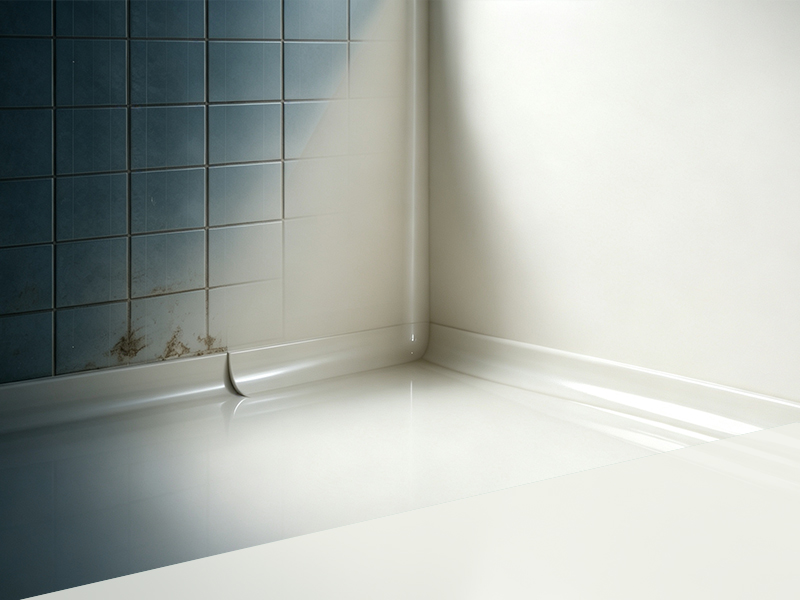
For industries like food and pharmaceuticals, the seamless, dense, and easy-to-clean nature of flooring is crucial. The self-leveling process of the 4C system enables truly seamless integration, eliminating dirt-harboring gaps. Its surface is dense and smooth with a suitable friction coefficient, making it difficult for stains to penetrate, and daily cleaning and maintenance are extremely convenient. Simultaneously, the material itself complies with domestic and international relevant hygiene standards, being dust-free and non-bacterial, supporting high-pressure water guns, steam, and even harsh chemical disinfection methods, easily meeting stringent certification requirements like HACCP and GMP.
The rise of the 4C system polyurethane mortar is the inevitable result of its comprehensive value surpassing that of imported products:
Ultimate Scenario Adaptability: Deeply researched to address the extensive industrial needs across China—from the humid acid rain in the southwest to the dry, severe cold in the northwest, from coastal salt corrosion to inland chemical environments—its formulation system possesses stronger regional and scenario adaptability.
Full Lifecycle Cost Advantage: Although the initial investment may still be higher than that of ordinary flooring, its exceptionally long service life (typically over 15 years), nearly zero maintenance costs, and the production capacity protection afforded by avoiding downtime for repairs result in a total cost of ownership far lower than that of imported or even domestic alternative products requiring frequent patching or replacement.
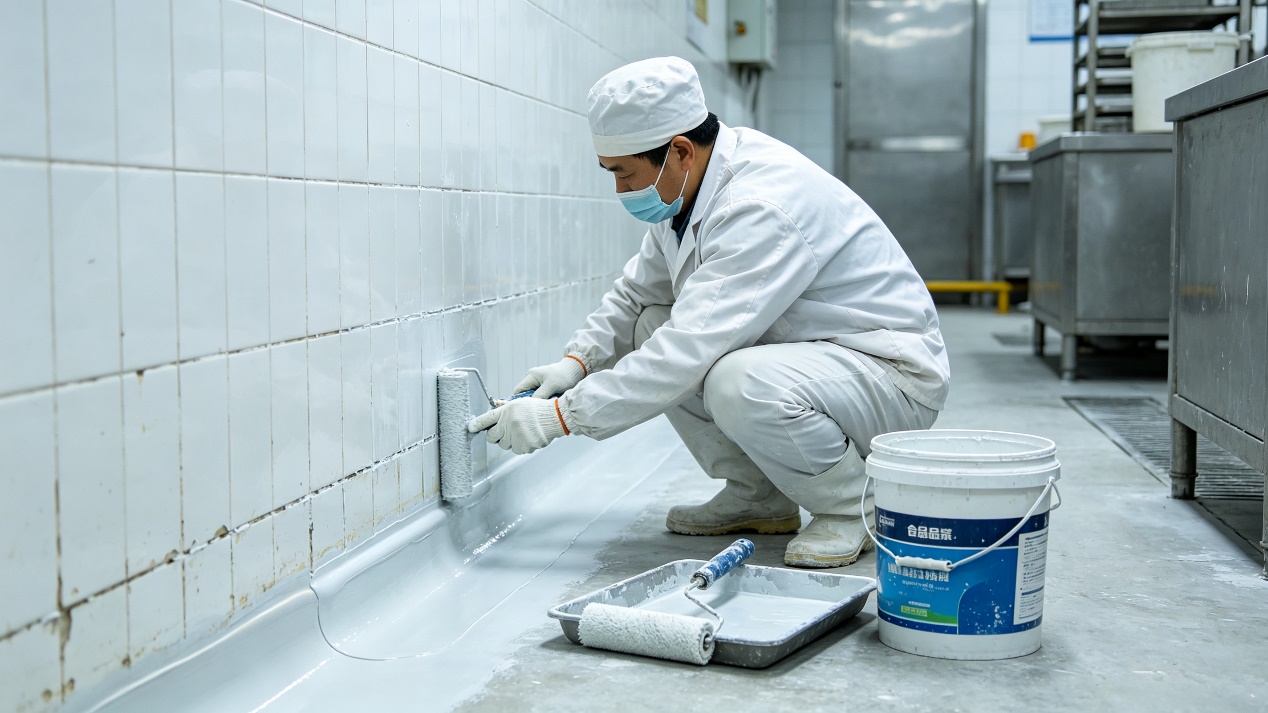
Rapid Response and Construction Convenience: Localized R&D and production mean faster technical response, customized solution capabilities, and sufficient raw material supply. Its self-leveling process is convenient for construction, with fast curing speeds (often able to withstand light traffic within 24-48 hours), significantly shortening factory downtime.
Safety and Sustainability: Modern 4C system products are increasingly committed to low-VOC, solvent-free development, offering a more worker-friendly application environment. Their durability itself represents the greatest environmental benefit—reducing construction waste and resource consumption associated with renovations.
Today, the 4C system polyurethane mortar self-leveling is not just an option but has become the design-first choice in numerous fields:
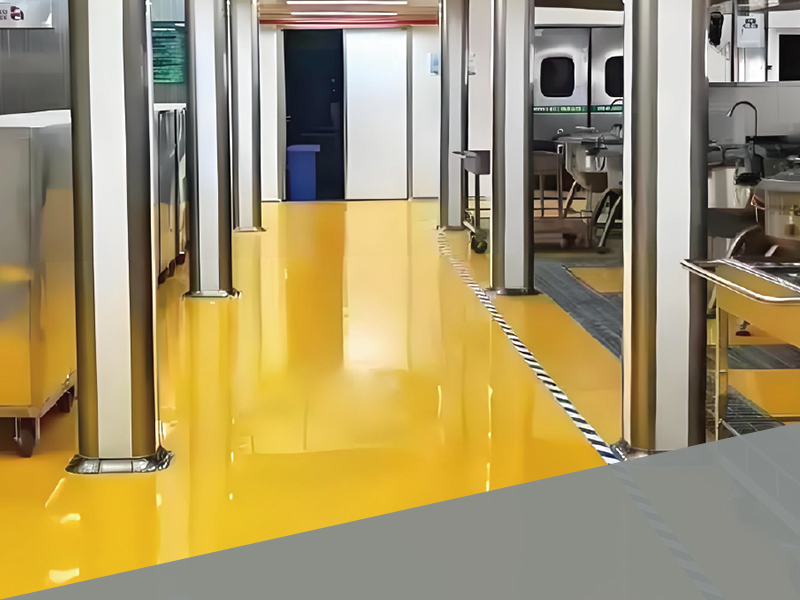
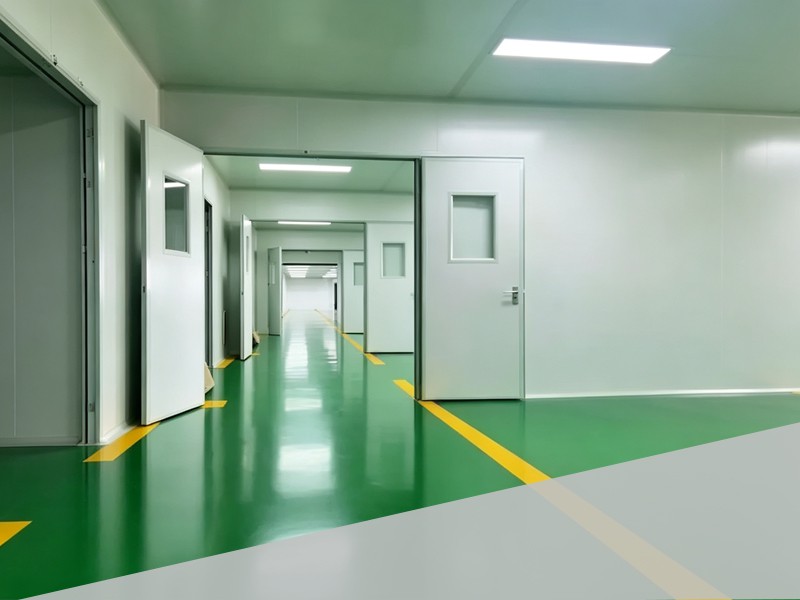
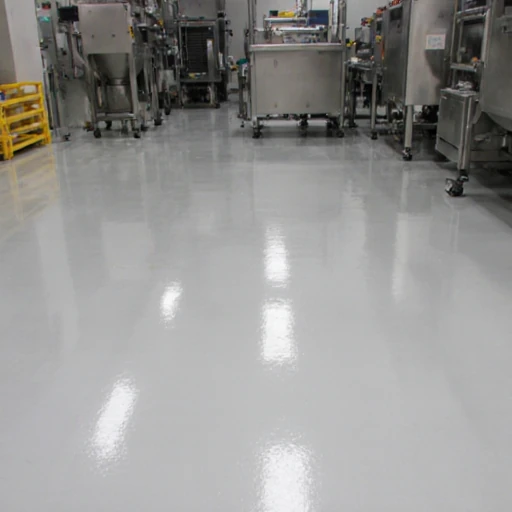
Food and Beverage Industry: Breweries, dairy plants, meat processing workshops, central kitchens, directly facing grease, acids/bacteria, blood/water, and high-frequency cleaning.
Cold Chain Logistics Industry: Low-temperature cold storage (-30°C to ambient), cross-docking areas, loading docks, combating frost/ice, thermal stress, and forklift impact.
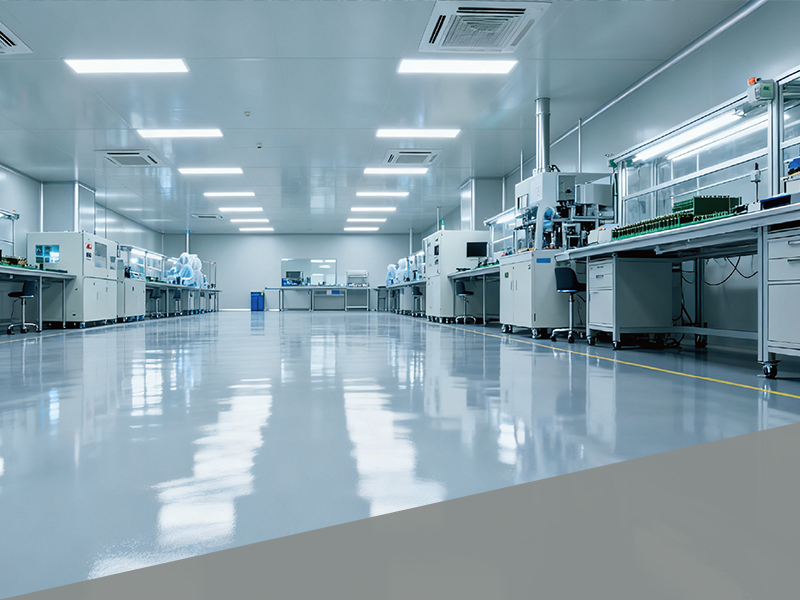
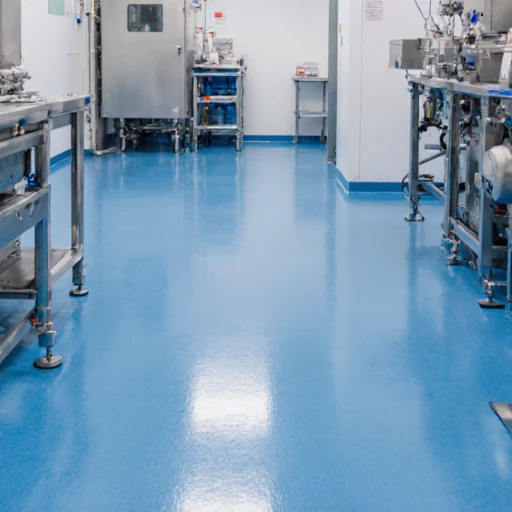
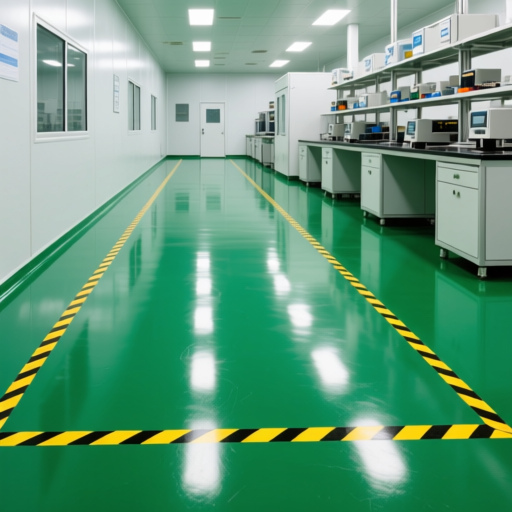
Chemical and Pharmaceutical Industry: Raw material handling areas, packaging zones, laboratories, resistant to chemical spills and meeting cleanliness requirements.
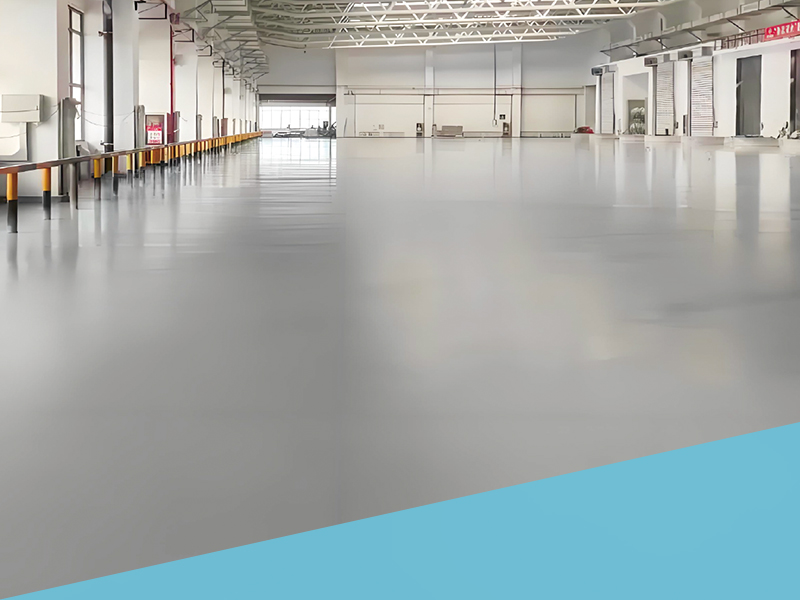
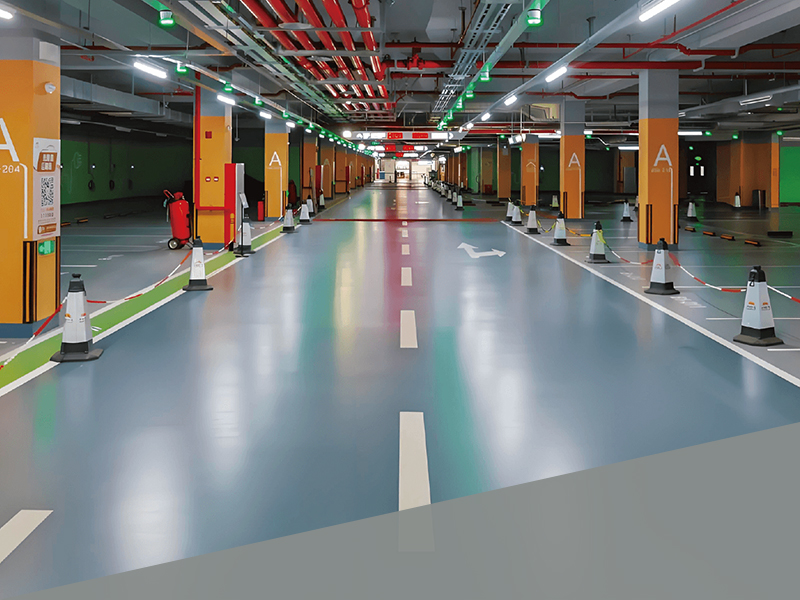
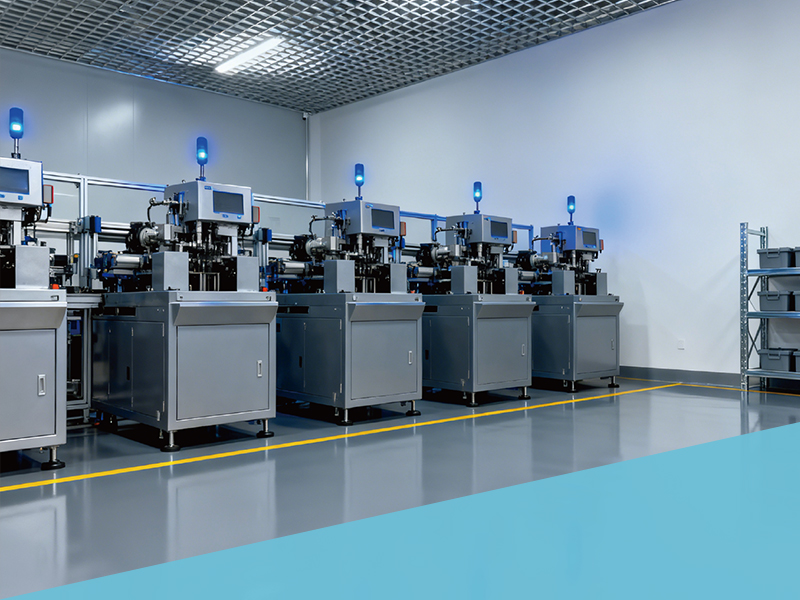
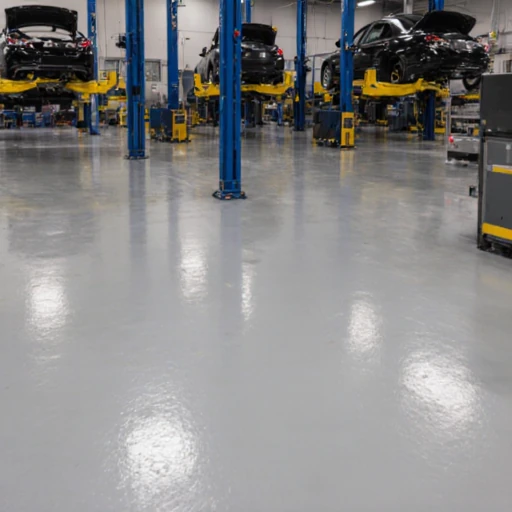
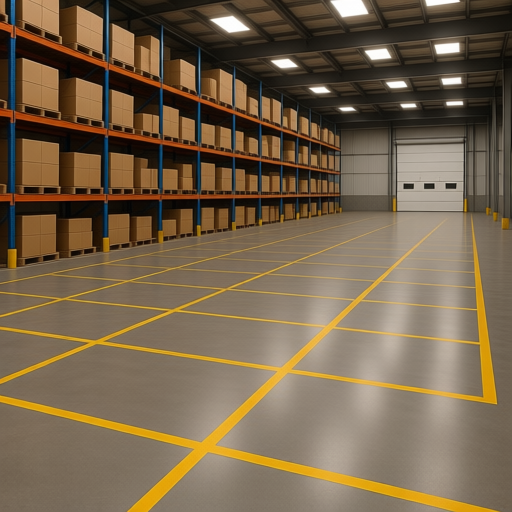
Modern Factories and Logistics Centers: High-traffic forklift areas, floors of automated storage systems, requiring wear/impact resistance and being dust-free.
The success of the 4C system polyurethane mortar self-leveling marks a critical leap for China's industrial flooring materials—from performance catch-up and import substitution to scenario definition. It is no longer merely an imitation of foreign technology but an integrated solution proposed based on a profound understanding of extreme industrial environments, achieved through systematic material science and engineering innovation. With its excellent performance, reliable quality, and reasonable cost, it is redefining the selection criteria for ground paving materials in harsh environments and is becoming a crucial cornerstone driving the infrastructure upgrade of China's advanced manufacturing and logistics industries. In the future, with continuous technological iteration and greener development, this Chinese system is expected to make a louder voice in the global high-end industrial flooring domain.


 cn
cn