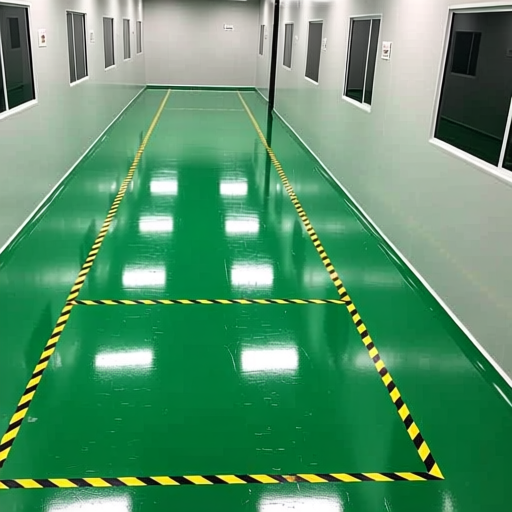
In the cleanrooms of the pharmaceutical industry, risks often exist in forms invisible to the naked eye—an airborne dust particle, a bacteria-harboring crevice, or a hard-to-sterilize corner, all of which can become significant hazards to drug safety. As the largest horizontal foundational interface, the floor's performance directly impacts the cleanliness level, compliance, and safety of the entire production environment. Traditional epoxy or PVC sheet flooring has gradually revealed limitations in terms of seams, durability, and long-term antibacterial properties. Today, advanced flooring systems represented by SPU F200 (Spray Polyurea Elastomer) and CPU M100 (Cast Polyurethane Mortar) are becoming the ultimate solutions to meet stringent GMP requirements and eliminate cross-contamination, thanks to their "cellular-level" precision protection.
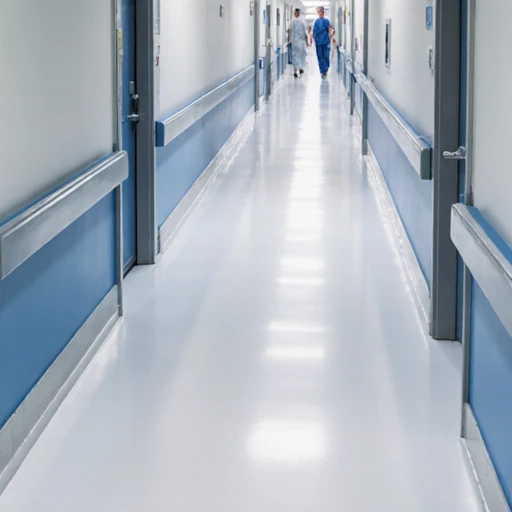
The core of the Good Manufacturing Practice (GMP) lies in establishing a system to prevent contamination, cross-contamination, and mix-ups. Its core requirements for flooring materials are specific and stringent:
Seamless and Dust-Free: Any crevice serves as a "sanctuary" for microorganisms and contaminants, requiring truly integral seamless construction.
Extreme Cleanliness and Easy Sterilization: The surface must be dense and smooth, capable of withstanding repeated scrubbing and fumigation with high-intensity, high-frequency chemical disinfectants (such as hydrogen peroxide, sodium hypochlorite, and alcohol) without corrosion, peeling, or discoloration.
Inherent Antibacterial and Mildew-Proof Properties: The material itself should possess the ability to inhibit microbial growth, not relying solely on surface disinfection.
Excellent Physical and Chemical Resistance: Capable of withstanding equipment movement impact, accidental chemical spills, temperature alternations, and frequent cleaning wear.
Dust-Free and Non-Shedding: The material itself must not become a source of contamination.
Traditional materials often struggle to balance these requirements: Epoxy flooring's seam issues are difficult to eliminate, and it tends to become brittle and crack under temperature changes; PVC sheet flooring's welded seams are weak points, and it may release plasticizers. These flaws have become non-negligible risk points in high-demand scenarios such as Grade B and Grade C cleanrooms.
1. SPU F200: Dynamic Guardian with Flexible Defense Line
SPU F200 adopts on-site spray molding technology to form a completely seamless, integrally encapsulated elastic membrane. Its core advantage lies in "proactive protection":
Excellent Chemical Fortress: It exhibits outstanding resistance to a wide range of acids, alkalis, solvents, and disinfectants, ensuring the surface structure remains intact and performance does not degrade after daily repeated disinfection.
Built-in Antibacterial and Mildew-Proof Properties: Through optimized material formulation, SPU F200 possesses inherent antibacterial and mildew-proof functions, inhibiting microbial colonization on the floor from the source and reducing bioburden.
Elastic Crack Resistance and Wear Resistance: Its extremely high elongation rate (>300%) can effectively absorb stress from building structure settlement and equipment vibration, eliminating cracking. The tough surface can withstand long-term friction from carts and equipment feet.
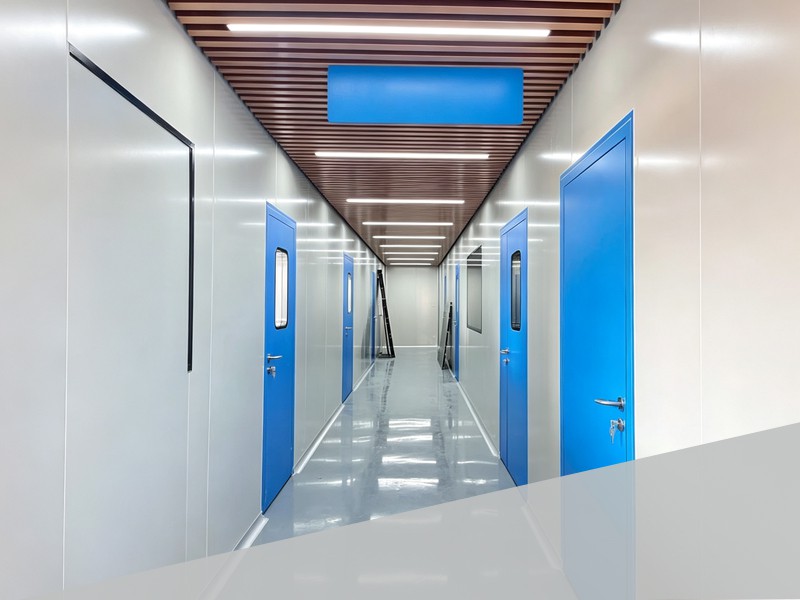
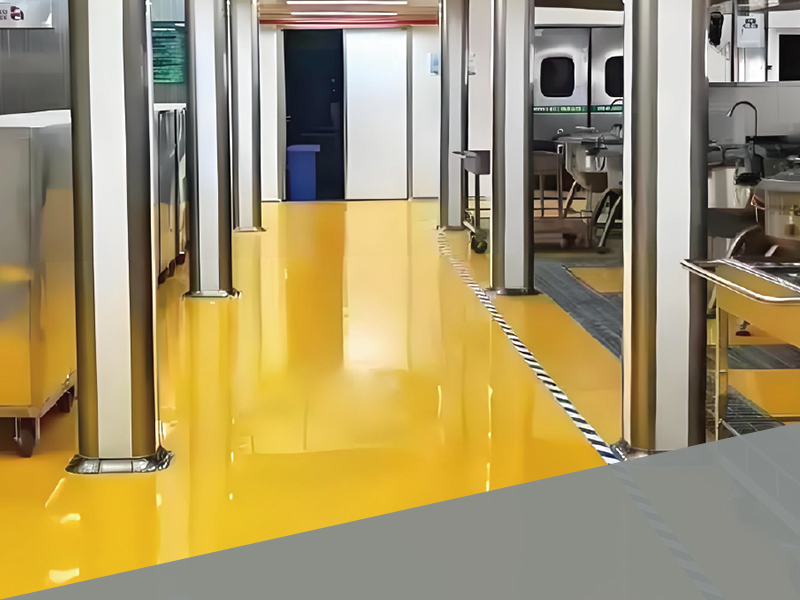
Applicable Scenarios: Particularly suitable for areas requiring high-frequency disinfection, certain temperature and humidity fluctuations, and high requirements for elasticity and slip resistance, such as clean corridors, changing rooms, laboratories, and packaging areas.
2. CPU M100: Ultimate Stability with Rigid Foundation
CPU M100 is a dense composite material formed by on-site casting of high-purity resin and carefully selected aggregates. It represents a philosophy of "absolute defense":
Mineral-like Stability: Possessing extreme chemical inertness similar to stone, it resists long-term erosion from almost all commonly used chemicals and disinfectants in the pharmaceutical industry, and can withstand high-temperature steam cleaning.
Benchmark Mechanical Strength: Boasting extremely high compressive and impact resistance, it will not be damaged even if heavy equipment is parked for a long time or heavy objects are dropped.
Dense and Non-Porous, Integral Structure: The casting process achieves near-zero porosity, preventing liquid penetration entirely. Stains can be wiped clean easily, ensuring high cleaning efficiency.
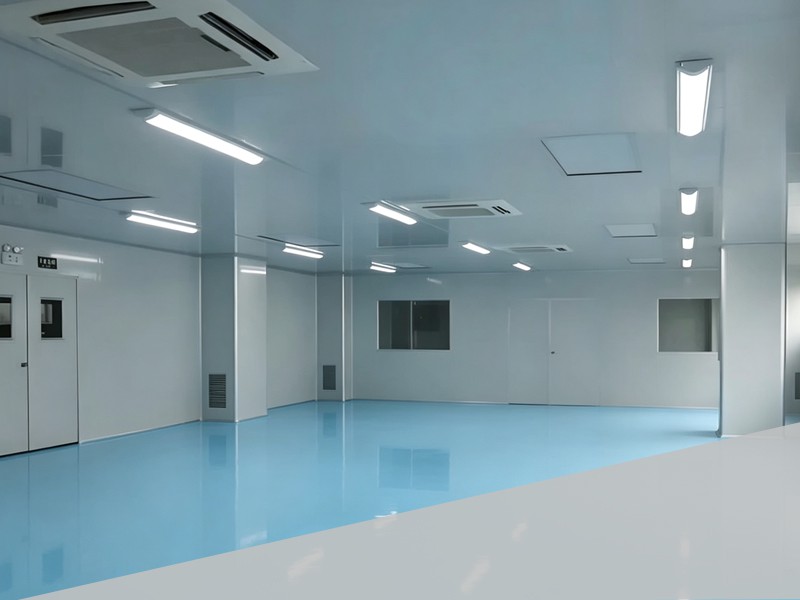
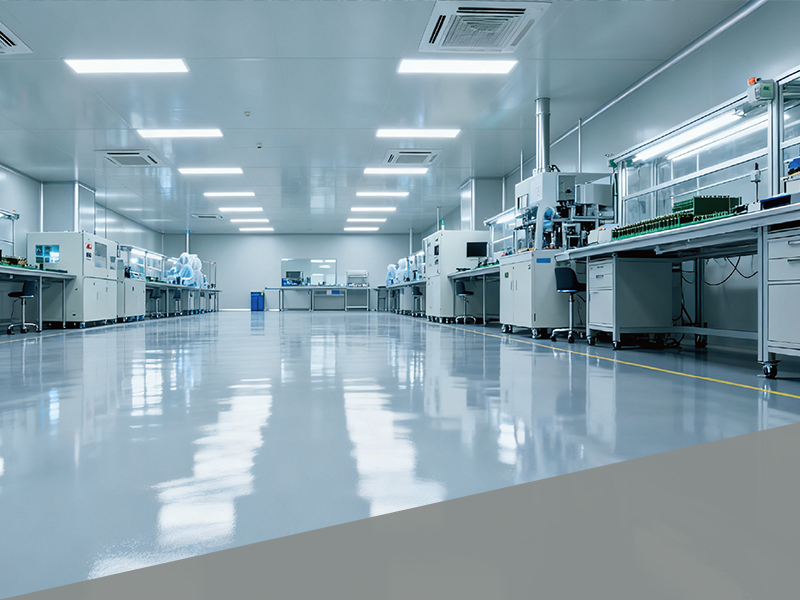
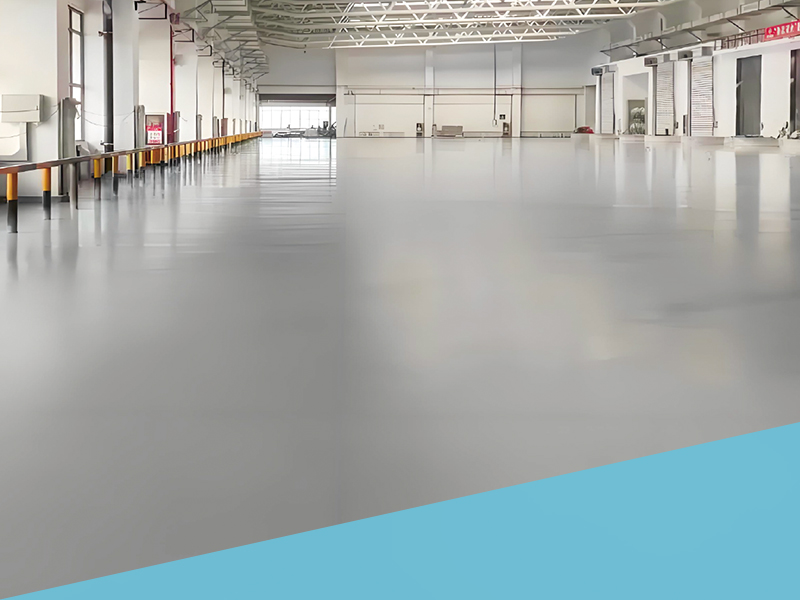
Applicable Scenarios: It is the ideal choice for core production areas with extremely demanding requirements for chemical resistance, load-bearing capacity, and cleanliness, such as production workshops (especially filling areas and liquid preparation areas), highly active pharmaceutical workshops, disinfection and cleaning rooms, and storage areas.
3. Synergistic Operation: A Systematic Flooring Solution with 1+1>2 Effect
In a modern pharmaceutical factory, SPU F200 and CPU M100 are not mutually exclusive options but are deployed synergistically according to functional zoning:
Core Production Areas & Heavy-Load Areas: Adopt CPU M100 to build a "main position" resisting the harshest chemical and physical challenges.
Corridors, Control Areas & Elastic Demand Areas: Adopt SPU F200 to provide flexible cushioning, excellent slip resistance, and comfortable foot feel.
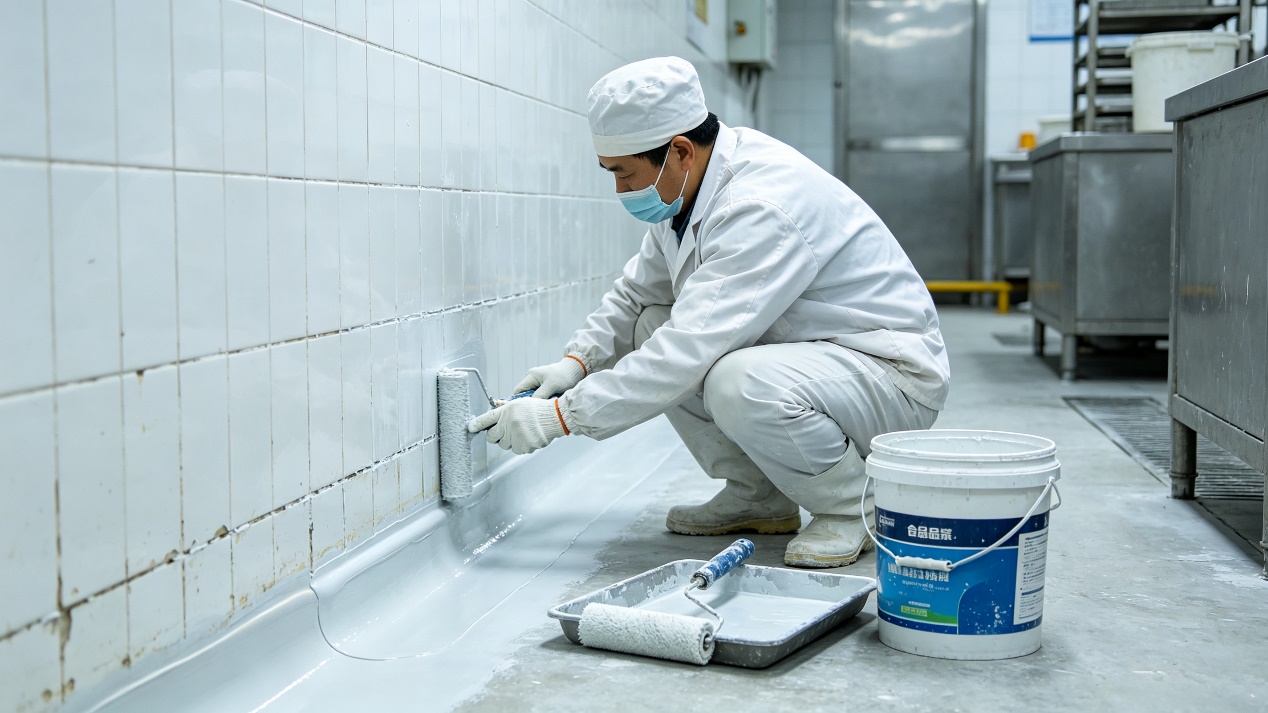
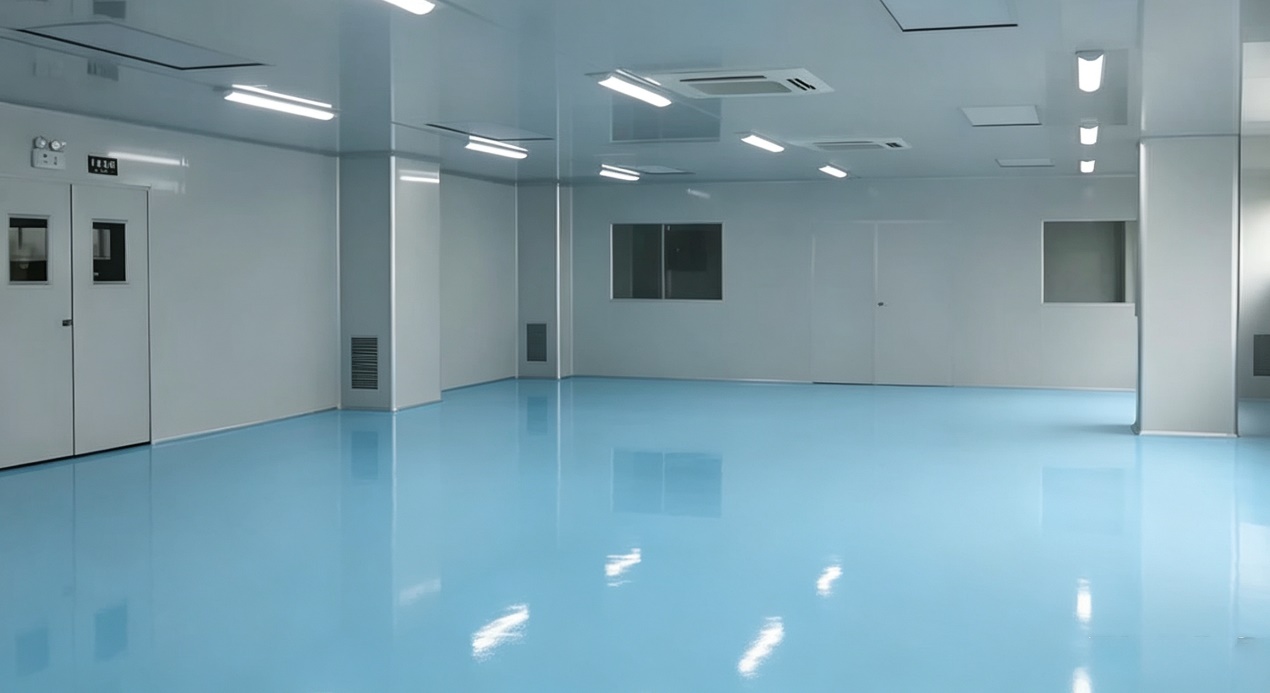
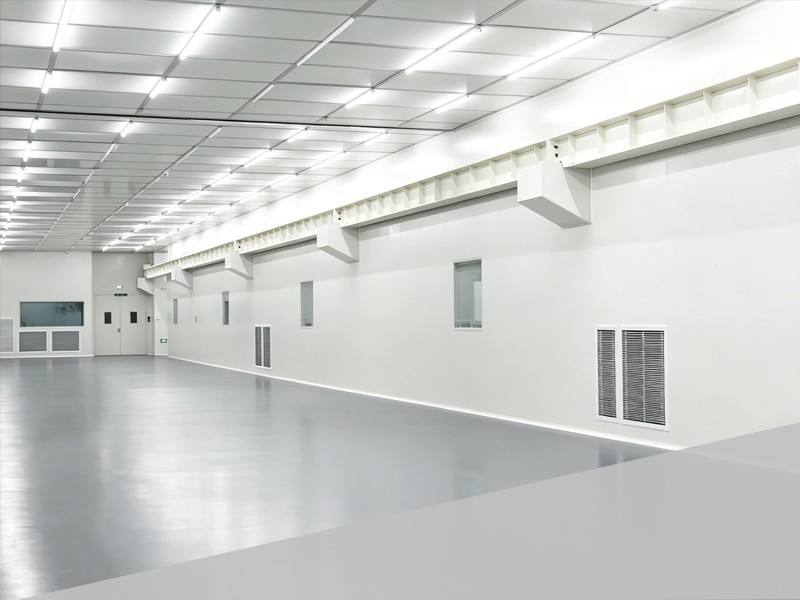
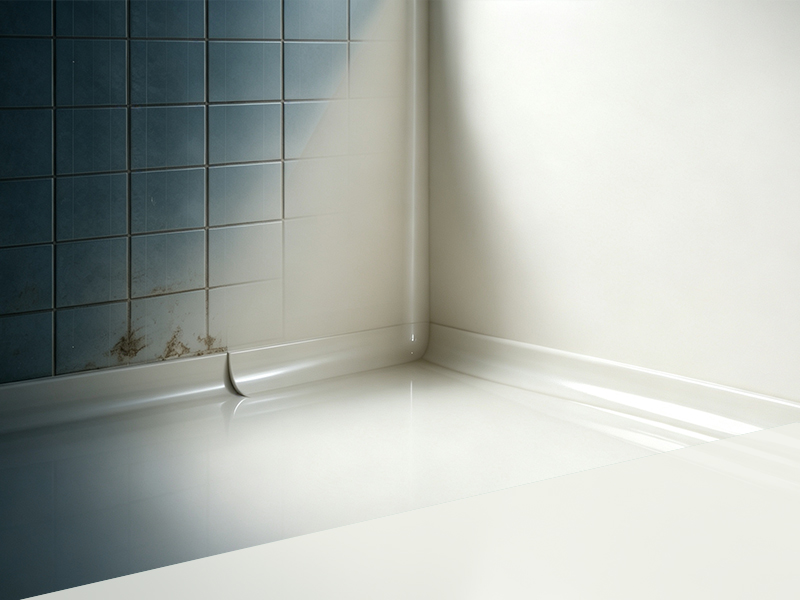
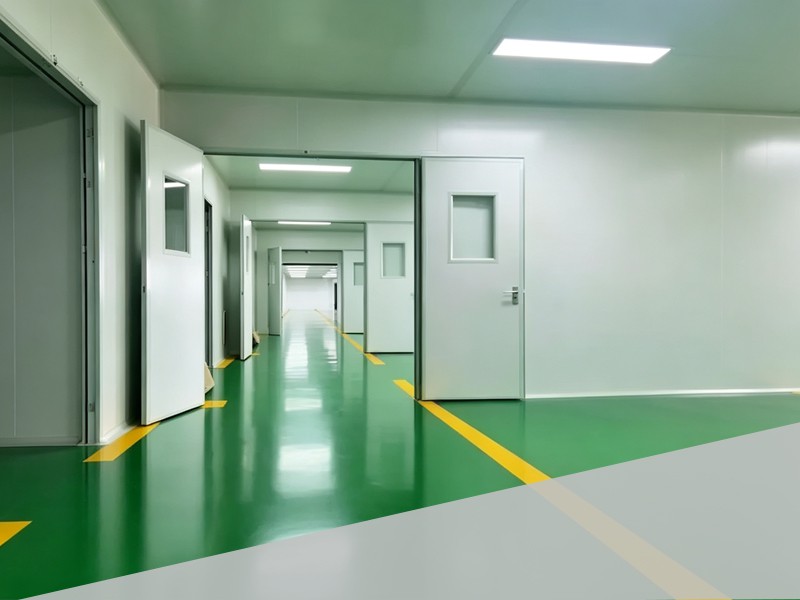
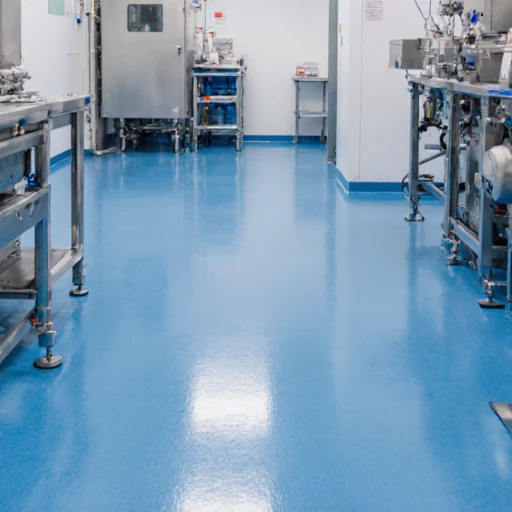
Seamless Transition Between Walls and Floors: Both materials can achieve integrated cove base treatment for walls, eliminating 90-degree dead corners and realizing fully seamless connection of "hexahedral" clean spaces—this is a key design to eliminate dead-corner contamination.
Choosing SPU F200 and CPU M100 delivers value far beyond GMP certification:
Optimal Life-Cycle Cost: Their ultra-long service life (usually exceeding 15 years) and almost zero maintenance requirements (no waxing or patching needed) significantly reduce the total cost over the entire life cycle.
Guaranteed Production Continuity: The material's durability and easy cleanability greatly reduce downtime caused by floor maintenance and deep cleaning, ensuring stable execution of production plans.
Enhanced Environmental Control: Fundamentally reducing the risk of particulate and microbial contamination caused by floor factors, providing reliable environmental guarantee for producing higher-quality drugs.
Sustainable Development: Durability itself is the greatest environmental protection, reducing construction waste and resource consumption from renovations.
In the pharmaceutical industry, the floor is no longer an ordinary building decoration but a core "strategic infrastructure" related to drug quality and patient safety. The emergence of SPU F200 and CPU M100 has upgraded the floor from a passive "bearing surface" to a "functional organ" that actively participates in clean environment construction and proactively defends against contamination.
Through breakthrough achievements in materials science, they transform the abstract GMP requirements for dust-free, sterile, and contamination-free environments into specific, reliable, and verifiable physical properties. This is not only technological progress but also a profound practice of the "Quality by Design (QbD)" philosophy—building quality assurance into the design and material selection of factory facilities from the outset. In the future, as pharmaceutical standards continue to rise, this "cellular-level" precision protection flooring system will undoubtedly become an indispensable cornerstone of high-standard pharmaceutical production bases worldwide.



 cn
cn