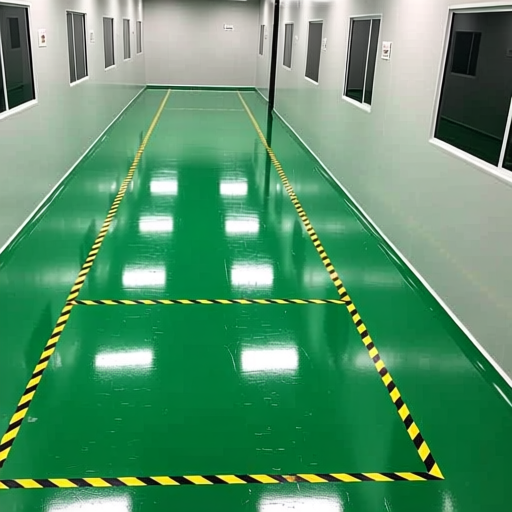
Walking into industrial workshops that have been operating for years, one often encounters a familiar scene: severe dusting on the floor, with clouds of dust rising as vehicles pass; cracks spreading like spider webs, and even noticeable spalling and depressions around heavy equipment bases. These seemingly ordinary "surface issues" are actually a "core crisis" affecting production efficiency, equipment safety, and overall costs. Frequent dusting and cracking are no accident; their root cause lies directly in the two most critical performance indicators of flooring—**compressive strength** and **wear resistance**. To address the root cause, one must understand these two key metrics.
I. Compressive Strength: The "Backbone" of the Floor, Determining Its Load-Bearing Fate
You can think of compressive strength as the "skeletal strength" of the floor. It represents the ability of the concrete or mortar substrate to resist vertical pressure without being crushed or damaged, typically measured in megapascals (MPa).
Why It Is the "Backbone": In industrial environments, floors bear not only their own weight but also dynamic, continuous challenges: repeated compaction by forklifts and trailers, static loads from heavy equipment, concentrated point loads from racking uprights... A floor with insufficient compressive strength is like brittle bones; under repeated loads, its internal microstructure gradually collapses, leading to plastic settlement, structural cracking, and ultimately a complete loss of load-bearing capacity.
The Direct Culprit Behind Dusting and Cracking: When a floor's compressive strength is inadequate, the bond between the surface cement paste and the aggregates becomes weak. Under the friction and shear forces from forklift tires, the fine surface material begins to detach, marking the onset of "dusting." As damage deepens, the substrate cannot effectively distribute stress, causing cracks to initiate and propagate from the weakest points.
Scientific Standards and Selection: Ordinary civil concrete typically has a compressive strength of C20-C30 (20-30 MPa), which is far from sufficient for industrial workshops, especially logistics warehouses and heavy manufacturing facilities. As a general recommendation, floors in light storage workshops should not be below C30, medium machinery workshops require C35 or higher, while areas with heavy manufacturing, logistics hubs, or frequent movement of super-heavy equipment must meet standards of C40 or above. For extremely harsh environments, steel fiber-reinforced concrete or high-performance concrete should be used, with compressive strengths easily exceeding C50.
II. Wear Resistance: The "Armor" of the Floor, Resisting the Wear of Time
Wear resistance is the ability of the floor surface to withstand mechanical abrasion, scraping, impact, and other forms of wear. It is the "first line of defense," determining the floor's service life and long-term appearance.
Why It Is the "Armor": Wear on industrial floors is constant: rolling friction from forklift wheels, scraping from metal debris, frequent foot traffic, dragging of heavy objects... A floor with poor wear resistance will quickly lose its surface hardening material, exposing the softer internal aggregates, exacerbating dusting, and making the surface rough and porous, difficult to clean.
Synergy with Compressive Strength: Compressive strength is the "internal foundation," providing basic support; wear resistance is the "external defense," responsible for surface protection. They complement each other. A floor with high compressive strength but poor wear resistance may not crack but will quickly dust and deteriorate. Conversely, a wear-resistant surface layer without a sufficiently strong substrate may fracture along with the base under heavy pressure. The optimal state is a combination of "strength and flexibility": a high-strength substrate provides a stable foundation, while a highly wear-resistant surface layer resists surface degradation.
Key Technologies to Enhance Wear Resistance: Simply increasing the concrete grade has limited effect on wear resistance. Industry-recognized effective measures include:
Professional Wear-Resistant Aggregates (Hardeners): During the initial setting of concrete, evenly broadcast wear-resistant materials such as silicon carbide (metal aggregate) or quartz sand (non-metallic aggregate), and professionally finish them to form a highly dense, high-hardness monolithic surface with the base concrete. The wear resistance of a silicon carbide wear-resistant floor can be several times higher than that of ordinary concrete.
Penetrating Sealers/Hardeners: Penetrating concrete sealers/hardeners (e.g., lithium-based) react chemically with cement hydration products to form a solid gel, significantly increasing surface hardness and density, thereby enhancing wear and abrasion resistance.
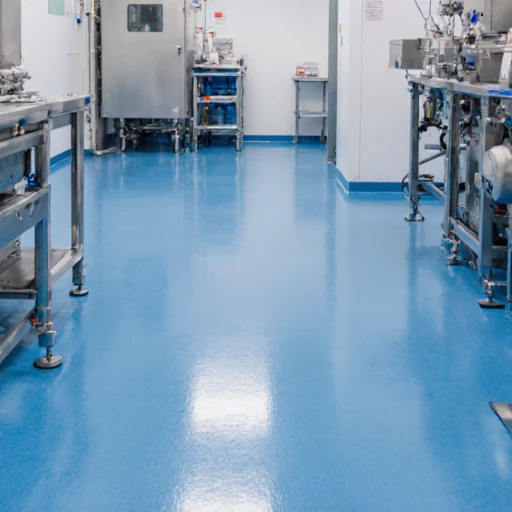
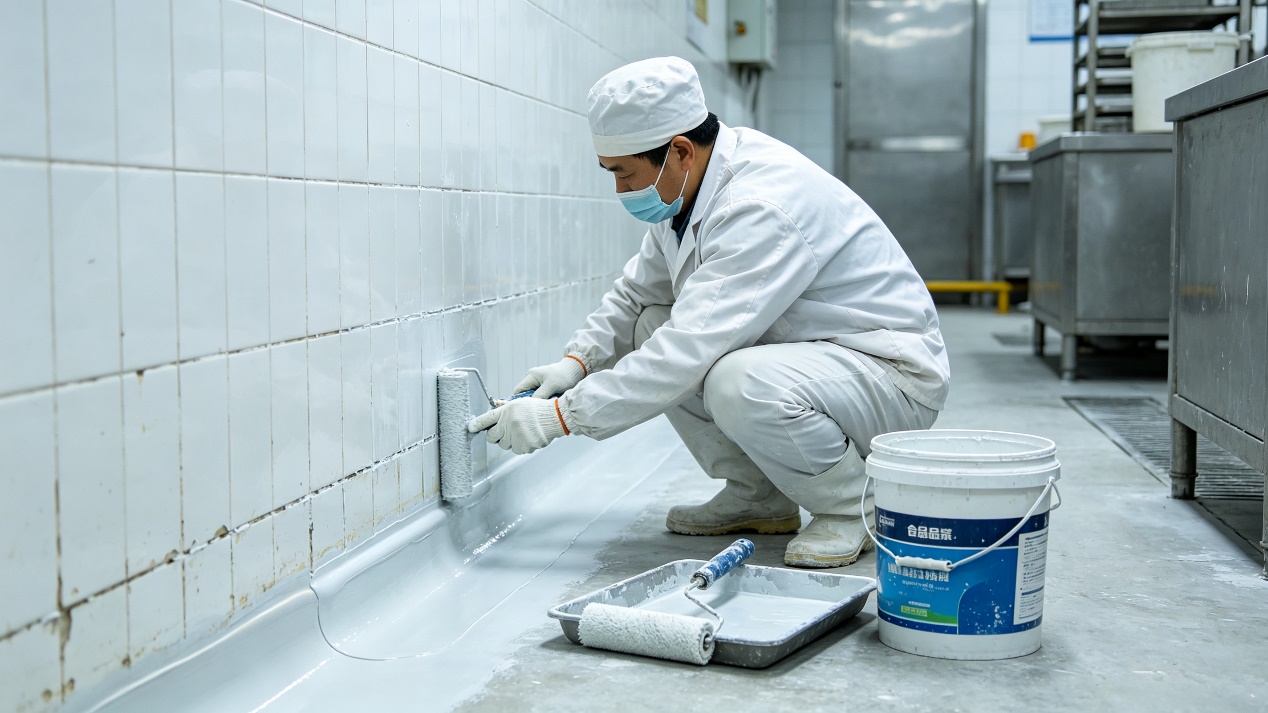
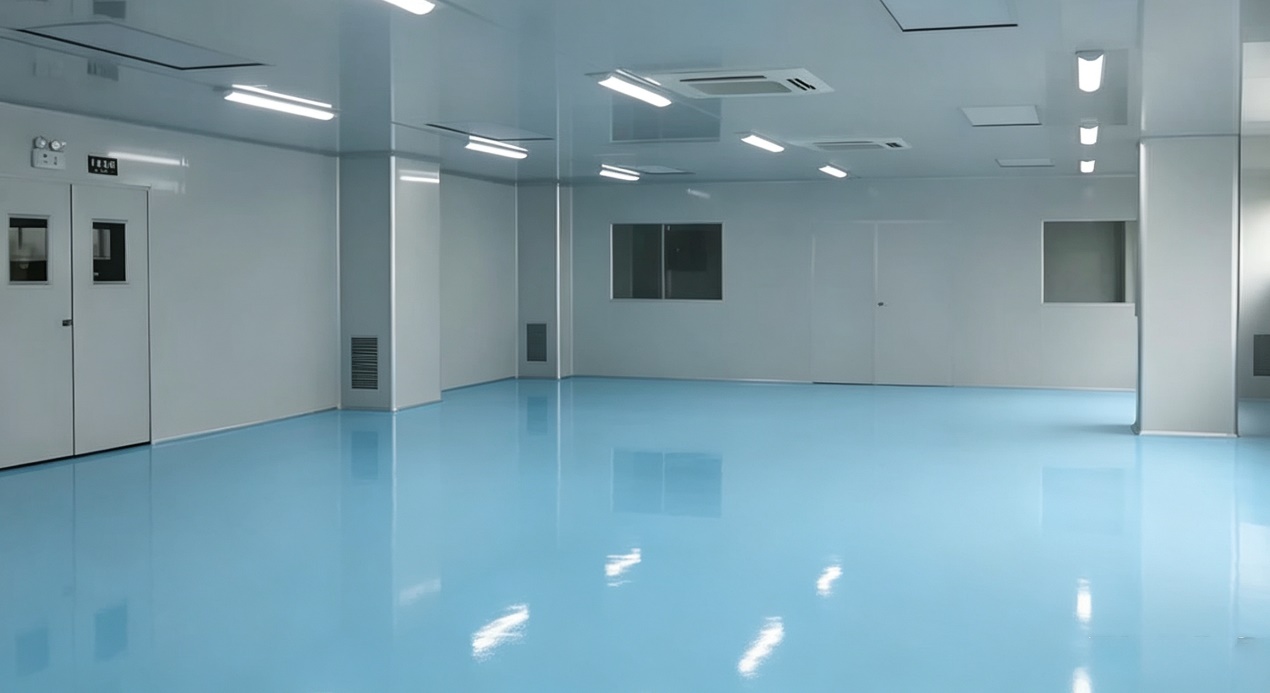
Resin-Based Coatings: Such as epoxy or polyurethane flooring, providing an excellent seamless, wear-resistant, and chemically resistant surface layer, suitable for workshops with high cleanliness and corrosion resistance requirements.
III. Practical Guide: How to Determine Core Indicators Based on Workshop Needs
Choosing flooring must never be based on intuition. A scientific decision should follow this process:
Load Analysis: Identify the maximum static load (equipment weight), maximum dynamic load (fully loaded forklift weight), wheel type and contact area, and traffic frequency. This is the fundamental basis for determining the compressive strength grade.
Wear Assessment: Analyze the primary wear types (friction, impact, scraping) and whether there is contact with metal debris or chemicals. This determines the type of wear-resistant layer (silicon carbide grade, need for sealing/hardening or resin coating).
Environmental Considerations: Consider temperature and humidity fluctuations, potential freeze-thaw cycles, and the possibility of oil or chemical spills. These factors influence material selection and construction methods.
Professional Design and Construction: Translate the above requirements into specific material ratios, structural design (e.g., use of steel mesh), wear-resistant layer thickness, and construction plans. Remember, even the best materials cannot compensate for non-standard construction: every step—concrete pouring, vibration, finishing, curing, timing of aggregate broadcast, uniformity of hardener penetration—affects the final performance.
Conclusion
Industrial workshop floors are the foundation of the production system. Faced with the persistent issues of dusting and cracking, superficial fixes and local repairs are only temporary measures. Only by focusing on the two core performance indicators—compressive strength and wear resistance—accurately matching them to operational needs from the design stage, and supplementing them with standardized and rigorous construction, can a truly solid, durable, and time-tested industrial floor be created. This is not merely about solving surface problems but a strategic investment to enhance operational efficiency, ensure production safety, and reduce long-term maintenance costs.



 cn
cn